
How to Get High-Quality Leads from LinkedIn Ads

Learn how to effectively generate high-quality leads from LinkedIn Ads using Pabbly Connect. This detailed tutorial guides you through the integration process step by step.

Watch Step By Step Video Tutorial Below


1. Setting Up Your LinkedIn Ads Campaign for High-Quality Leads

To get high-quality leads from LinkedIn Ads, you first need to create your campaign using the LinkedIn Ads Campaign Manager. In this campaign, ensure that you add a lead form, as this is essential for collecting leads effectively.

Once your campaign is set up, the next step is to manage these leads. This is where Pabbly Connect comes into play, allowing you to automate the process of transferring lead information into your preferred applications like Google Sheets or your CRM.


2. Accessing Pabbly Connect for Lead Management

To manage your LinkedIn leads, you will need to access Pabbly Connect. If you are a new user, visit the Pabbly Connect website and click on ‘Sign up for free’ in the top right corner. This will allow you to explore the platform with 100 free tasks each month.

After signing up, you can begin creating a workflow to automate your lead management. In your Pabbly Connect dashboard, click on the ‘Workflow Builder’ to start setting up your integration with LinkedIn, ensuring that you can effectively handle incoming leads.


3. Creating Your Workflow in Pabbly Connect

To create your workflow in Pabbly Connect, click on the ‘Add Trigger’ button. Search for and select ‘LinkedIn’ as your trigger application. For the event, choose ‘Lead Notifications’ to capture incoming leads from your LinkedIn Ads.

Next, connect your LinkedIn account by selecting ‘Add a New Connection’. Log in with your LinkedIn credentials and authorize the connection. Once connected, select your sponsored account and click ‘Save and Send Test Request’ to ensure everything is set up correctly.

  • Log in to your LinkedIn account.
  • Authorize Pabbly Connect to access your LinkedIn data.
  • Select the appropriate sponsored account.

Once you have completed these steps, you will be ready to capture lead information directly from your LinkedIn Ads.


4. Capturing Lead Information from LinkedIn Ads

After setting up the trigger in Pabbly Connect, you need to fill out your lead form on LinkedIn to capture the data. Once the form is submitted, Pabbly Connect will receive the lead data, which you can then use for further processing.

When you submit the lead form, Pabbly Connect will show a test response in your workflow. You can either use this test data to set up your automation or wait for real-time leads to come in. Using the test data is recommended for quicker setup.

  • Submit the lead form on LinkedIn.
  • Check Pabbly Connect for the incoming lead data.
  • Use the test data for setting up automation.

This step ensures that you are capturing all necessary lead details, which can then be sent to other applications for further action.


5. Sending Leads to Google Sheets Using Pabbly Connect

Once you have captured lead information, the next step is to send this data to Google Sheets. In your Pabbly Connect workflow, click on ‘Add New Action Step’ and select ‘Google Sheets’ as your action application. using Pabbly Connect

Choose the event as ‘Add New Row’ and connect your Google Sheets account. You will need to authorize Pabbly Connect to access your Google Sheets. Once connected, select the specific spreadsheet and sheet where you want to store your leads.

Select ‘Add New Row’ in Google Sheets. Authorize Pabbly Connect to access your Google Sheets. Map the lead data to the appropriate columns in your sheet.

After mapping the data, click ‘Save and Send Test Request’ to ensure that the lead details are correctly added to your Google Sheets. This automation will streamline your lead management process, allowing you to focus on converting leads into clients.


Conclusion

Using Pabbly Connect to integrate LinkedIn Ads with Google Sheets allows you to efficiently manage high-quality leads. This step-by-step tutorial outlines how to set up your campaign and automate lead handling, ensuring a seamless workflow.

Ensure you check out Pabbly Connect to create business automation workflows and reduce manual tasks. Pabbly Connect currently offer integration with 2,000+ applications.

How to Get High-Quality Leads from LinkedIn Ads

Learn how to effectively generate high-quality leads from LinkedIn Ads using Pabbly Connect. This detailed tutorial guides you through the integration process step by step.

Watch Step By Step Video Tutorial Below


1. Setting Up Your LinkedIn Ads Campaign for High-Quality Leads

To get high-quality leads from LinkedIn Ads, you first need to create your campaign using the LinkedIn Ads Campaign Manager. In this campaign, ensure that you add a lead form, as this is essential for collecting leads effectively.

Once your campaign is set up, the next step is to manage these leads. This is where Pabbly Connect comes into play, allowing you to automate the process of transferring lead information into your preferred applications like Google Sheets or your CRM.


2. Accessing Pabbly Connect for Lead Management

To manage your LinkedIn leads, you will need to access Pabbly Connect. If you are a new user, visit the Pabbly Connect website and click on ‘Sign up for free’ in the top right corner. This will allow you to explore the platform with 100 free tasks each month.

After signing up, you can begin creating a workflow to automate your lead management. In your Pabbly Connect dashboard, click on the ‘Workflow Builder’ to start setting up your integration with LinkedIn, ensuring that you can effectively handle incoming leads.


3. Creating Your Workflow in Pabbly Connect

To create your workflow in Pabbly Connect, click on the ‘Add Trigger’ button. Search for and select ‘LinkedIn’ as your trigger application. For the event, choose ‘Lead Notifications’ to capture incoming leads from your LinkedIn Ads.

Next, connect your LinkedIn account by selecting ‘Add a New Connection’. Log in with your LinkedIn credentials and authorize the connection. Once connected, select your sponsored account and click ‘Save and Send Test Request’ to ensure everything is set up correctly.

  • Log in to your LinkedIn account.
  • Authorize Pabbly Connect to access your LinkedIn data.
  • Select the appropriate sponsored account.

Once you have completed these steps, you will be ready to capture lead information directly from your LinkedIn Ads.


4. Capturing Lead Information from LinkedIn Ads

After setting up the trigger in Pabbly Connect, you need to fill out your lead form on LinkedIn to capture the data. Once the form is submitted, Pabbly Connect will receive the lead data, which you can then use for further processing.

When you submit the lead form, Pabbly Connect will show a test response in your workflow. You can either use this test data to set up your automation or wait for real-time leads to come in. Using the test data is recommended for quicker setup.

  • Submit the lead form on LinkedIn.
  • Check Pabbly Connect for the incoming lead data.
  • Use the test data for setting up automation.

This step ensures that you are capturing all necessary lead details, which can then be sent to other applications for further action.


5. Sending Leads to Google Sheets Using Pabbly Connect

Once you have captured lead information, the next step is to send this data to Google Sheets. In your Pabbly Connect workflow, click on ‘Add New Action Step’ and select ‘Google Sheets’ as your action application. using Pabbly Connect

Choose the event as ‘Add New Row’ and connect your Google Sheets account. You will need to authorize Pabbly Connect to access your Google Sheets. Once connected, select the specific spreadsheet and sheet where you want to store your leads.

Select ‘Add New Row’ in Google Sheets. Authorize Pabbly Connect to access your Google Sheets. Map the lead data to the appropriate columns in your sheet.

After mapping the data, click ‘Save and Send Test Request’ to ensure that the lead details are correctly added to your Google Sheets. This automation will streamline your lead management process, allowing you to focus on converting leads into clients.


Conclusion

Using Pabbly Connect to integrate LinkedIn Ads with Google Sheets allows you to efficiently manage high-quality leads. This step-by-step tutorial outlines how to set up your campaign and automate lead handling, ensuring a seamless workflow.

Ensure you check out Pabbly Connect to create business automation workflows and reduce manual tasks. Pabbly Connect currently offer integration with 2,000+ applications.

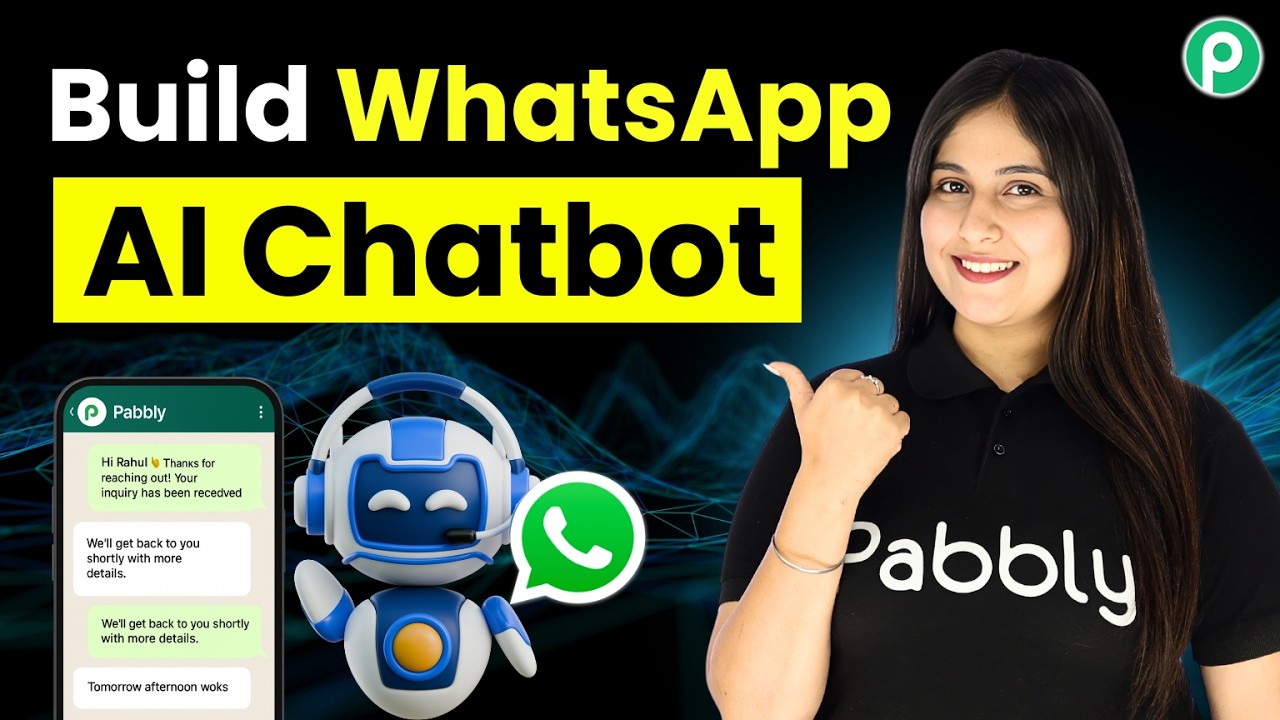
How to Create a WhatsApp ChatBot for Cruise Booking

Learn how to create an automated WhatsApp ChatBot for cruise booking using Pabbly Chatflow. Follow our step-by-step tutorial for seamless integration. Master conversational marketing with practical techniques for creating chatbots that engage visitors at exactly the right moment in their journey.

Watch Step By Step Video Tutorial Below


1. Accessing Pabbly Chatflow for Your WhatsApp ChatBot

To create a WhatsApp ChatBot for cruise booking, start by accessing Pabbly Chatflow. Open a new tab and search for pabby.com/chatflow. This platform is essential for automating your WhatsApp messages and responses.

Once on the Pabbly Chatflow page, you will see options to sign in or sign up. If you are new, click on ‘Sign Up Free’ to receive 100 free credits every month. For existing users, simply sign in. After logging in, navigate to the dashboard and click on the ‘Access Now’ button under Pabbly Chatflow.


2. Creating Your WhatsApp ChatBot in Pabbly Chatflow

Now that you are in Pabbly Chatflow, it’s time to create your WhatsApp ChatBot. Click on the ‘+’ button to add a new flow. Name your flow as ‘WhatsApp Chatbot for Cruise Booking’. This is the starting point for your ChatBot.

  • Choose your trigger event, which will start the flow.
  • Select the option for keywords to trigger the ChatBot.
  • Add keywords like ‘hi’ and ‘hello’ to initiate the ChatBot conversation.

After entering the keywords, press enter to add them to the list. This setup ensures that whenever a user sends these keywords, the ChatBot will respond with a welcome message and an image related to your cruise booking services.


3. Customizing Responses in Your ChatBot

In this section, we will customize the responses of your Pabbly Chatflow ChatBot. Start by adding a media button to send an image along with your welcome message. Click on the ‘Add Media’ button and upload an image from your gallery.

Next, add a text button for your welcome message. Write a message like ‘Hello! Welcome to Ocean Vista Cruises. How may I assist you today?’ To enhance user interaction, add quick reply buttons such as ‘Book Cruise’, ‘Get Pricing’, and ‘Talk to Agent’. This allows users to easily navigate through the options.


4. Collecting User Information with Pabbly Chatflow

To make your ChatBot more interactive, you need to collect user information. After the welcome message, prompt users to book a cruise by clicking on the ‘Book Cruise’ button. This action will trigger a list button that displays various cruise types.

  • Add a list of cruise types like luxury cruise, family cruise, etc.
  • Link the list to the ‘Book Cruise’ button for seamless navigation.
  • Ask users for their full name, travel date, number of passengers, and budget through structured questions.

Each question should be linked to a contact custom field in Pabbly Chatflow to capture responses effectively. This setup allows your ChatBot to provide personalized messages based on user input.


5. Finalizing and Testing Your WhatsApp ChatBot

Once you have configured all the necessary elements in Pabbly Chatflow, it’s crucial to save your flow. Click on the save button to ensure all your settings are stored. After saving, test the ChatBot by sending the keywords you set earlier to your WhatsApp business account.

For example, if you send ‘hello’, the ChatBot should respond with the welcome message and options. Continue testing the flow by selecting various options to ensure everything works correctly. The ChatBot should dynamically respond based on the information provided by the user.


Conclusion

Creating a WhatsApp ChatBot for cruise booking using Pabbly Chatflow is a straightforward process. By following this tutorial, you can automate user interactions and streamline the booking process effectively. Start leveraging the power of automation for your business today!

Ensure you check out Pabbly Connect to create business automation workflows and reduce manual tasks. Pabbly Connect currently offer integration with 2,000+ applications.

How to Get High-Quality Leads from LinkedIn Ads

Learn how to effectively generate high-quality leads from LinkedIn Ads using Pabbly Connect. This detailed tutorial guides you through the integration process step by step.

Watch Step By Step Video Tutorial Below


1. Setting Up Your LinkedIn Ads Campaign for High-Quality Leads

To get high-quality leads from LinkedIn Ads, you first need to create your campaign using the LinkedIn Ads Campaign Manager. In this campaign, ensure that you add a lead form, as this is essential for collecting leads effectively.

Once your campaign is set up, the next step is to manage these leads. This is where Pabbly Connect comes into play, allowing you to automate the process of transferring lead information into your preferred applications like Google Sheets or your CRM.


2. Accessing Pabbly Connect for Lead Management

To manage your LinkedIn leads, you will need to access Pabbly Connect. If you are a new user, visit the Pabbly Connect website and click on ‘Sign up for free’ in the top right corner. This will allow you to explore the platform with 100 free tasks each month.

After signing up, you can begin creating a workflow to automate your lead management. In your Pabbly Connect dashboard, click on the ‘Workflow Builder’ to start setting up your integration with LinkedIn, ensuring that you can effectively handle incoming leads.


3. Creating Your Workflow in Pabbly Connect

To create your workflow in Pabbly Connect, click on the ‘Add Trigger’ button. Search for and select ‘LinkedIn’ as your trigger application. For the event, choose ‘Lead Notifications’ to capture incoming leads from your LinkedIn Ads.

Next, connect your LinkedIn account by selecting ‘Add a New Connection’. Log in with your LinkedIn credentials and authorize the connection. Once connected, select your sponsored account and click ‘Save and Send Test Request’ to ensure everything is set up correctly.

  • Log in to your LinkedIn account.
  • Authorize Pabbly Connect to access your LinkedIn data.
  • Select the appropriate sponsored account.

Once you have completed these steps, you will be ready to capture lead information directly from your LinkedIn Ads.


4. Capturing Lead Information from LinkedIn Ads

After setting up the trigger in Pabbly Connect, you need to fill out your lead form on LinkedIn to capture the data. Once the form is submitted, Pabbly Connect will receive the lead data, which you can then use for further processing.

When you submit the lead form, Pabbly Connect will show a test response in your workflow. You can either use this test data to set up your automation or wait for real-time leads to come in. Using the test data is recommended for quicker setup.

  • Submit the lead form on LinkedIn.
  • Check Pabbly Connect for the incoming lead data.
  • Use the test data for setting up automation.

This step ensures that you are capturing all necessary lead details, which can then be sent to other applications for further action.


5. Sending Leads to Google Sheets Using Pabbly Connect

Once you have captured lead information, the next step is to send this data to Google Sheets. In your Pabbly Connect workflow, click on ‘Add New Action Step’ and select ‘Google Sheets’ as your action application. using Pabbly Connect

Choose the event as ‘Add New Row’ and connect your Google Sheets account. You will need to authorize Pabbly Connect to access your Google Sheets. Once connected, select the specific spreadsheet and sheet where you want to store your leads.

Select ‘Add New Row’ in Google Sheets. Authorize Pabbly Connect to access your Google Sheets. Map the lead data to the appropriate columns in your sheet.

After mapping the data, click ‘Save and Send Test Request’ to ensure that the lead details are correctly added to your Google Sheets. This automation will streamline your lead management process, allowing you to focus on converting leads into clients.


Conclusion

Using Pabbly Connect to integrate LinkedIn Ads with Google Sheets allows you to efficiently manage high-quality leads. This step-by-step tutorial outlines how to set up your campaign and automate lead handling, ensuring a seamless workflow.

Ensure you check out Pabbly Connect to create business automation workflows and reduce manual tasks. Pabbly Connect currently offer integration with 2,000+ applications.

How to Create a WhatsApp ChatBot for Cruise Booking

Learn how to create an automated WhatsApp ChatBot for cruise booking using Pabbly Chatflow. Follow our step-by-step tutorial for seamless integration. Master conversational marketing with practical techniques for creating chatbots that engage visitors at exactly the right moment in their journey.

Watch Step By Step Video Tutorial Below


1. Accessing Pabbly Chatflow for Your WhatsApp ChatBot

To create a WhatsApp ChatBot for cruise booking, start by accessing Pabbly Chatflow. Open a new tab and search for pabby.com/chatflow. This platform is essential for automating your WhatsApp messages and responses.

Once on the Pabbly Chatflow page, you will see options to sign in or sign up. If you are new, click on ‘Sign Up Free’ to receive 100 free credits every month. For existing users, simply sign in. After logging in, navigate to the dashboard and click on the ‘Access Now’ button under Pabbly Chatflow.


2. Creating Your WhatsApp ChatBot in Pabbly Chatflow

Now that you are in Pabbly Chatflow, it’s time to create your WhatsApp ChatBot. Click on the ‘+’ button to add a new flow. Name your flow as ‘WhatsApp Chatbot for Cruise Booking’. This is the starting point for your ChatBot.

  • Choose your trigger event, which will start the flow.
  • Select the option for keywords to trigger the ChatBot.
  • Add keywords like ‘hi’ and ‘hello’ to initiate the ChatBot conversation.

After entering the keywords, press enter to add them to the list. This setup ensures that whenever a user sends these keywords, the ChatBot will respond with a welcome message and an image related to your cruise booking services.


3. Customizing Responses in Your ChatBot

In this section, we will customize the responses of your Pabbly Chatflow ChatBot. Start by adding a media button to send an image along with your welcome message. Click on the ‘Add Media’ button and upload an image from your gallery.

Next, add a text button for your welcome message. Write a message like ‘Hello! Welcome to Ocean Vista Cruises. How may I assist you today?’ To enhance user interaction, add quick reply buttons such as ‘Book Cruise’, ‘Get Pricing’, and ‘Talk to Agent’. This allows users to easily navigate through the options.


4. Collecting User Information with Pabbly Chatflow

To make your ChatBot more interactive, you need to collect user information. After the welcome message, prompt users to book a cruise by clicking on the ‘Book Cruise’ button. This action will trigger a list button that displays various cruise types.

  • Add a list of cruise types like luxury cruise, family cruise, etc.
  • Link the list to the ‘Book Cruise’ button for seamless navigation.
  • Ask users for their full name, travel date, number of passengers, and budget through structured questions.

Each question should be linked to a contact custom field in Pabbly Chatflow to capture responses effectively. This setup allows your ChatBot to provide personalized messages based on user input.


5. Finalizing and Testing Your WhatsApp ChatBot

Once you have configured all the necessary elements in Pabbly Chatflow, it’s crucial to save your flow. Click on the save button to ensure all your settings are stored. After saving, test the ChatBot by sending the keywords you set earlier to your WhatsApp business account.

For example, if you send ‘hello’, the ChatBot should respond with the welcome message and options. Continue testing the flow by selecting various options to ensure everything works correctly. The ChatBot should dynamically respond based on the information provided by the user.


Conclusion

Creating a WhatsApp ChatBot for cruise booking using Pabbly Chatflow is a straightforward process. By following this tutorial, you can automate user interactions and streamline the booking process effectively. Start leveraging the power of automation for your business today!

Ensure you check out Pabbly Connect to create business automation workflows and reduce manual tasks. Pabbly Connect currently offer integration with 2,000+ applications.

I Automated My WhatsApp in Just 10 Minutes 🤯

Learn how to automate your WhatsApp using Pabbly Chatflow in just 10 minutes. This tutorial covers step-by-step integration with YouTube and Lush Berry. Build conversational workflows that guide visitors toward conversion with dynamic, branching dialogs that respond intelligently to user input.

Watch Step By Step Video Tutorial Below


1. Accessing Pabbly Chatflow for WhatsApp Automation

To automate your WhatsApp, you need to start by accessing Pabbly Chatflow. This powerful platform allows you to create an AI assistant that can handle customer queries efficiently.

Once logged into your Pabbly Chatflow account, navigate to the dashboard. Here, you will find various options to set up your assistant. This setup process can be completed without any coding skills, making it accessible for everyone.


2. Creating Your AI Assistant in Pabbly Chatflow

After accessing Pabbly Chatflow, go to the assistant section and click on the ‘Add Assistant’ button. Enter a name for your assistant, such as ‘I Automated My WhatsApp in Just 10 Minutes’. This name will help identify your assistant easily.

  • Select the instruction type as ‘AI Agent’.
  • Set the AI configuration temperature to 0.5 for balanced responses.
  • Choose OpenAI as the AI to use, and select the GPT5 mini model.

After configuring these settings, you will need to enter your OpenAI API key to connect your assistant to the AI model. This key can be generated within your OpenAI account.


3. Setting Up Knowledge Source in Pabbly Chatflow

The knowledge source is crucial for your AI assistant to provide accurate responses. Within Pabbly Chatflow, you can upload a document that contains all relevant information about your business. This could include product details, pricing, and policies.

  • Upload a .txt or .pdf file containing your business information.
  • Ensure the document is well-structured to help the AI respond accurately.

Once uploaded, your knowledge source will be integrated into the assistant, allowing it to answer queries effectively based on the information provided.


4. Customizing the Assistant Interface in Pabbly Chatflow

In this section, you can customize how your assistant appears to users. Pabbly Chatflow allows you to change the heading, subheading, and footer of your assistant.

For instance, you can add your brand name, Lush Berry, and modify the initial message that users will see when they interact with your assistant. You can also adjust the colors and styles to match your brand identity.


5. Enabling Your AI Assistant for WhatsApp Queries

To ensure your AI assistant is active and ready to respond to customer inquiries, navigate to the settings and find the inbox settings section in Pabbly Chatflow.

Here, enable the AI auto-reply settings and select the contact list you want to apply this to. You can choose to enable it for all contacts or specific lists. Once saved, your AI assistant will automatically respond to queries on WhatsApp.

If you want to enable the assistant for individual contacts, simply select a conversation in the inbox, choose the AI assistant, and toggle it on for that specific contact.


Conclusion

By following this tutorial, you can easily automate your WhatsApp using Pabbly Chatflow. This integration allows you to provide instant responses to customer queries, enhancing your business efficiency.

Ensure you check out Pabbly Connect to create business automation workflows and reduce manual tasks. Pabbly Connect currently offer integration with 2,000+ applications.

I Automated My WhatsApp in Just 10 Minutes 🤯

Learn how to automate your WhatsApp using Pabbly Chatflow in just 10 minutes. This tutorial covers step-by-step integration with YouTube and Lush Berry. Build conversational workflows that guide visitors toward conversion with dynamic, branching dialogs that respond intelligently to user input.

Watch Step By Step Video Tutorial Below


1. Accessing Pabbly Chatflow for WhatsApp Automation

To automate your WhatsApp, you need to start by accessing Pabbly Chatflow. This powerful platform allows you to create an AI assistant that can handle customer queries efficiently.

Once logged into your Pabbly Chatflow account, navigate to the dashboard. Here, you will find various options to set up your assistant. This setup process can be completed without any coding skills, making it accessible for everyone.


2. Creating Your AI Assistant in Pabbly Chatflow

After accessing Pabbly Chatflow, go to the assistant section and click on the ‘Add Assistant’ button. Enter a name for your assistant, such as ‘I Automated My WhatsApp in Just 10 Minutes’. This name will help identify your assistant easily.

  • Select the instruction type as ‘AI Agent’.
  • Set the AI configuration temperature to 0.5 for balanced responses.
  • Choose OpenAI as the AI to use, and select the GPT5 mini model.

After configuring these settings, you will need to enter your OpenAI API key to connect your assistant to the AI model. This key can be generated within your OpenAI account.


3. Setting Up Knowledge Source in Pabbly Chatflow

The knowledge source is crucial for your AI assistant to provide accurate responses. Within Pabbly Chatflow, you can upload a document that contains all relevant information about your business. This could include product details, pricing, and policies.

  • Upload a .txt or .pdf file containing your business information.
  • Ensure the document is well-structured to help the AI respond accurately.

Once uploaded, your knowledge source will be integrated into the assistant, allowing it to answer queries effectively based on the information provided.


4. Customizing the Assistant Interface in Pabbly Chatflow

In this section, you can customize how your assistant appears to users. Pabbly Chatflow allows you to change the heading, subheading, and footer of your assistant.

For instance, you can add your brand name, Lush Berry, and modify the initial message that users will see when they interact with your assistant. You can also adjust the colors and styles to match your brand identity.


5. Enabling Your AI Assistant for WhatsApp Queries

To ensure your AI assistant is active and ready to respond to customer inquiries, navigate to the settings and find the inbox settings section in Pabbly Chatflow.

Here, enable the AI auto-reply settings and select the contact list you want to apply this to. You can choose to enable it for all contacts or specific lists. Once saved, your AI assistant will automatically respond to queries on WhatsApp.

If you want to enable the assistant for individual contacts, simply select a conversation in the inbox, choose the AI assistant, and toggle it on for that specific contact.


Conclusion

By following this tutorial, you can easily automate your WhatsApp using Pabbly Chatflow. This integration allows you to provide instant responses to customer queries, enhancing your business efficiency.

Ensure you check out Pabbly Connect to create business automation workflows and reduce manual tasks. Pabbly Connect currently offer integration with 2,000+ applications.

I Automated My WhatsApp in Just 10 Minutes 🤯

Learn how to automate your WhatsApp using Pabbly Chatflow in just 10 minutes. This tutorial covers step-by-step integration with YouTube and Lush Berry. Build conversational workflows that guide visitors toward conversion with dynamic, branching dialogs that respond intelligently to user input.

Watch Step By Step Video Tutorial Below


1. Accessing Pabbly Chatflow for WhatsApp Automation

To automate your WhatsApp, you need to start by accessing Pabbly Chatflow. This powerful platform allows you to create an AI assistant that can handle customer queries efficiently.

Once logged into your Pabbly Chatflow account, navigate to the dashboard. Here, you will find various options to set up your assistant. This setup process can be completed without any coding skills, making it accessible for everyone.


2. Creating Your AI Assistant in Pabbly Chatflow

After accessing Pabbly Chatflow, go to the assistant section and click on the ‘Add Assistant’ button. Enter a name for your assistant, such as ‘I Automated My WhatsApp in Just 10 Minutes’. This name will help identify your assistant easily.

  • Select the instruction type as ‘AI Agent’.
  • Set the AI configuration temperature to 0.5 for balanced responses.
  • Choose OpenAI as the AI to use, and select the GPT5 mini model.

After configuring these settings, you will need to enter your OpenAI API key to connect your assistant to the AI model. This key can be generated within your OpenAI account.


3. Setting Up Knowledge Source in Pabbly Chatflow

The knowledge source is crucial for your AI assistant to provide accurate responses. Within Pabbly Chatflow, you can upload a document that contains all relevant information about your business. This could include product details, pricing, and policies.

  • Upload a .txt or .pdf file containing your business information.
  • Ensure the document is well-structured to help the AI respond accurately.

Once uploaded, your knowledge source will be integrated into the assistant, allowing it to answer queries effectively based on the information provided.


4. Customizing the Assistant Interface in Pabbly Chatflow

In this section, you can customize how your assistant appears to users. Pabbly Chatflow allows you to change the heading, subheading, and footer of your assistant.

For instance, you can add your brand name, Lush Berry, and modify the initial message that users will see when they interact with your assistant. You can also adjust the colors and styles to match your brand identity.


5. Enabling Your AI Assistant for WhatsApp Queries

To ensure your AI assistant is active and ready to respond to customer inquiries, navigate to the settings and find the inbox settings section in Pabbly Chatflow.

Here, enable the AI auto-reply settings and select the contact list you want to apply this to. You can choose to enable it for all contacts or specific lists. Once saved, your AI assistant will automatically respond to queries on WhatsApp.

If you want to enable the assistant for individual contacts, simply select a conversation in the inbox, choose the AI assistant, and toggle it on for that specific contact.


Conclusion

By following this tutorial, you can easily automate your WhatsApp using Pabbly Chatflow. This integration allows you to provide instant responses to customer queries, enhancing your business efficiency.

Ensure you check out Pabbly Connect to create business automation workflows and reduce manual tasks. Pabbly Connect currently offer integration with 2,000+ applications.

No-Code LinkedIn Lead Automation (Airtable + Email)

Learn how to automate LinkedIn lead generation with Pabbly Connect and Airtable. This tutorial covers setup, integration, and email automation. Discover how to seamlessly connect your essential tools through accessible instructions that make powerful automation available to professionals at every skill level.

Watch Step By Step Video Tutorial Below


1. Accessing Pabbly Connect for LinkedIn Lead Automation

To start automating LinkedIn lead generation, first access Pabbly Connect by visiting its website. Once there, you can sign up for free and receive 100 tasks every month, or log in if you already have an account. This step is crucial for setting up your automation.

After logging in, you’ll be directed to the Pabbly Connect dashboard. Here, you can create new workflows that connect LinkedIn with Airtable and Gmail. This integration allows you to automate the process of storing leads and sending follow-up emails without any coding.


2. Creating a Workflow in Pabbly Connect

To create your automation, click on the ‘Create’ button on the dashboard and select the workflow builder. Name your workflow, such as ‘LinkedIn Lead Automation,’ and choose a folder to store it. This organization helps keep your tasks manageable. using Pabbly Connect

  • Click on ‘Create’ to start the workflow.
  • Select LinkedIn as your trigger app.
  • Choose ‘Lead Notification’ as the app event.

After setting the trigger, connect your LinkedIn account by adding a new connection. This step allows Pabbly Connect to receive lead notifications directly from LinkedIn, making the integration seamless and efficient.


3. Mapping Data to Airtable Using Pabbly Connect

Once you’ve set up the trigger, the next step is to add an action to store the lead details in Airtable. Search for Airtable in the action step and select ‘Create Record’ as the app event. This step is essential for ensuring that all lead data is captured accurately. using Pabbly Connect

Connect your Airtable account by creating a new connection. After this, select the base name where you want to store your leads. Ensure that your Airtable base includes fields for first name, last name, email address, phone number, and company name. Mapping these fields will help automate the data entry process.

  • Map the first name field from LinkedIn to Airtable.
  • Repeat for last name, email address, phone number, and company name.

After mapping, click on ‘Save and Send Test Request’ to verify that the integration works correctly. This step ensures that data flows from LinkedIn to Airtable as intended, without manual intervention.


4. Sending Follow-Up Emails with Gmail via Pabbly Connect

Now that your leads are being captured in Airtable, the final step is to send a personalized follow-up email. Add another action step and search for Gmail. Select ‘Send Email’ as the app event to set up this automation. using Pabbly Connect

Connect your Gmail account by adding a new connection. You’ll need to provide access for Pabbly Connect to send emails on your behalf. Fill in the sender name, recipient email (mapped from Airtable), subject, and content of the email. Personalizing the email with the lead’s first name enhances engagement.

Enter your company name as the sender name. Map the recipient email from the Airtable data. Include a personalized subject and content.

After entering all details, click ‘Save and Send Test Request’ to ensure the email is sent successfully. This completes your automation setup, allowing you to focus on other aspects of your business while Pabbly Connect handles lead management and communication.


5. Conclusion: Streamline Your Lead Automation with Pabbly Connect

In this tutorial, we explored how to automate LinkedIn lead generation using Pabbly Connect. By integrating LinkedIn with Airtable and Gmail, you can streamline your lead management process without manual effort. This automation saves time and enhances productivity.

Ensure you check out Pabbly Connect to create business automation workflows and reduce manual tasks. Pabbly Connect currently offer integration with 2,000+ applications.

With Pabbly Connect, you can easily set up workflows that capture leads, store their information, and send personalized follow-up emails. This powerful tool allows you to automate repetitive tasks, giving you more time to focus on growing your business.


No-Code LinkedIn Lead Automation (Airtable + Email)

Learn how to automate LinkedIn lead generation with Pabbly Connect and Airtable. This tutorial covers setup, integration, and email automation. Discover how to seamlessly connect your essential tools through accessible instructions that make powerful automation available to professionals at every skill level.

Watch Step By Step Video Tutorial Below


1. Accessing Pabbly Connect for LinkedIn Lead Automation

To start automating LinkedIn lead generation, first access Pabbly Connect by visiting its website. Once there, you can sign up for free and receive 100 tasks every month, or log in if you already have an account. This step is crucial for setting up your automation.

After logging in, you’ll be directed to the Pabbly Connect dashboard. Here, you can create new workflows that connect LinkedIn with Airtable and Gmail. This integration allows you to automate the process of storing leads and sending follow-up emails without any coding.


2. Creating a Workflow in Pabbly Connect

To create your automation, click on the ‘Create’ button on the dashboard and select the workflow builder. Name your workflow, such as ‘LinkedIn Lead Automation,’ and choose a folder to store it. This organization helps keep your tasks manageable. using Pabbly Connect

  • Click on ‘Create’ to start the workflow.
  • Select LinkedIn as your trigger app.
  • Choose ‘Lead Notification’ as the app event.

After setting the trigger, connect your LinkedIn account by adding a new connection. This step allows Pabbly Connect to receive lead notifications directly from LinkedIn, making the integration seamless and efficient.


3. Mapping Data to Airtable Using Pabbly Connect

Once you’ve set up the trigger, the next step is to add an action to store the lead details in Airtable. Search for Airtable in the action step and select ‘Create Record’ as the app event. This step is essential for ensuring that all lead data is captured accurately. using Pabbly Connect

Connect your Airtable account by creating a new connection. After this, select the base name where you want to store your leads. Ensure that your Airtable base includes fields for first name, last name, email address, phone number, and company name. Mapping these fields will help automate the data entry process.

  • Map the first name field from LinkedIn to Airtable.
  • Repeat for last name, email address, phone number, and company name.

After mapping, click on ‘Save and Send Test Request’ to verify that the integration works correctly. This step ensures that data flows from LinkedIn to Airtable as intended, without manual intervention.


4. Sending Follow-Up Emails with Gmail via Pabbly Connect

Now that your leads are being captured in Airtable, the final step is to send a personalized follow-up email. Add another action step and search for Gmail. Select ‘Send Email’ as the app event to set up this automation. using Pabbly Connect

Connect your Gmail account by adding a new connection. You’ll need to provide access for Pabbly Connect to send emails on your behalf. Fill in the sender name, recipient email (mapped from Airtable), subject, and content of the email. Personalizing the email with the lead’s first name enhances engagement.

Enter your company name as the sender name. Map the recipient email from the Airtable data. Include a personalized subject and content.

After entering all details, click ‘Save and Send Test Request’ to ensure the email is sent successfully. This completes your automation setup, allowing you to focus on other aspects of your business while Pabbly Connect handles lead management and communication.


5. Conclusion: Streamline Your Lead Automation with Pabbly Connect

In this tutorial, we explored how to automate LinkedIn lead generation using Pabbly Connect. By integrating LinkedIn with Airtable and Gmail, you can streamline your lead management process without manual effort. This automation saves time and enhances productivity.

Ensure you check out Pabbly Connect to create business automation workflows and reduce manual tasks. Pabbly Connect currently offer integration with 2,000+ applications.

With Pabbly Connect, you can easily set up workflows that capture leads, store their information, and send personalized follow-up emails. This powerful tool allows you to automate repetitive tasks, giving you more time to focus on growing your business.