How to Send Emails Automatically After Event Registration

Learn how to send automated emails after event registration using Pabbly Connect. Follow our step-by-step guide to streamline your event communications. Implement the precise methodologies leading organizations use to automate repetitive tasks, illustrated with practical examples designed for immediate application.

Watch Step By Step Video Tutorial Below


1. Accessing Pabbly Connect for Email Automation

To send emails automatically after event registration, the first step is to access Pabbly Connect. If you are a new user, visit pabbl.com/connect in your browser. Click on the ‘Sign Up for Free’ option in the top right corner to create an account.

Once signed up, you will have access to 100 tasks free every month to explore Pabbly Connect. This allows you to send up to 100 emails automatically, making it a perfect solution for event registrations.


2. Creating a Workflow in Pabbly Connect

After logging into Pabbly Connect, navigate to the workflow builder. This is where you will set up your automation. Click on the ‘Add Trigger’ button to start creating your workflow.

For the trigger application, search for ‘Jotform’ and select it. Choose the event as ‘New Response’ and click on the ‘Connect’ button. You will receive a webhook URL that needs to be copied to integrate with Jotform.

  • Search for Jotform and select it as the trigger application.
  • Choose ‘New Response’ as the event.
  • Copy the webhook URL provided.

Now, head to your Jotform settings, navigate to the integrations section, and select Webhooks. Paste the copied webhook URL and complete the integration. This connects Jotform with Pabbly Connect to capture registration details.


3. Capturing Registration Data

To capture the registration data, you need to perform a test submission on your Jotform. Fill in the required fields with dummy data, such as name, email, and phone number, and submit the form.

Once the form is submitted, return to Pabbly Connect. You will see that it has captured the response from your test submission. This step is crucial as it allows Pabbly Connect to recognize the data structure for future registrations.

  • Perform a test submission on Jotform.
  • Return to Pabbly Connect to see captured data.
  • Ensure the data is structured correctly for email sending.

With the data captured, you can now proceed to set up the email action step to automate the email notifications.


4. Setting Up Email Notifications with Pabbly Connect

Next, you will add an action step in Pabbly Connect to send an email. Click on the ‘Add New Action Step’ button and search for ‘Gmail’. Select it as the action application.

Choose the event as ‘Send Email’ and connect your Gmail account. If you haven’t connected it before, you will need to sign in and allow permissions for Pabbly Connect to access your Gmail account. Once connected, proceed to set up the email details.

Select ‘Gmail’ as the action application. Choose ‘Send Email’ as the event. Connect your Gmail account and allow necessary permissions.

Enter the sender’s name and email address, and map the recipient’s email address from the captured registration data. This is crucial for personalizing the emails sent to each registrant.


5. Finalizing Email Content and Sending

Now that you have set up the email action, you need to finalize the email content. Enter a subject line such as ‘Your Registration is Confirmed’ and personalize it by mapping the registrant’s name.

For the email body, you can use HTML content to enhance the visual appeal of the emails. Map additional details like the city and country of the registrant to personalize the message further. Finally, select the content type as HTML and click on ‘Save and Send Test Request’ to test the setup.

Once the test email is sent, check your Gmail account to confirm that the email has been received successfully. This verifies that your automation is working correctly. With Pabbly Connect, you can now send automated emails after event registrations seamlessly.


Conclusion

In this tutorial, we demonstrated how to use Pabbly Connect to send automated emails after event registrations. By following the steps outlined, you can streamline your event communication process effectively.

Ensure you check out Pabbly Connect to create business automation workflows and reduce manual tasks. Pabbly Connect currently offer integration with 2,000+ applications.

Utilizing Pabbly Connect not only saves time but also enhances the experience for your registrants. Start automating your email notifications today!

How to Build a WhatsApp AI ChatBot in 5 Minutes (Beginner Friendly)

Learn how to create a WhatsApp AI ChatBot in just 5 minutes using Pabbly Chatflow. Step-by-step tutorial for beginners. Learn how to create intelligent chat workflows that provide instant customer support while qualifying leads 24/7 without human intervention.

Watch Step By Step Video Tutorial Below


1. Accessing Pabbly Chatflow for WhatsApp AI ChatBot

To create a WhatsApp AI ChatBot, the first step is accessing Pabbly Chatflow. Simply search for ‘Pabbly.com Chatflow’ in your browser and navigate to the Pabbly Chatflow homepage.

On the homepage, you will see two options: ‘Sign In’ and ‘Sign Up Free’. If you are a new user, click on ‘Sign Up Free’ to create an account. Existing users can click on ‘Sign In’ to access their accounts.


2. Connecting Your WhatsApp Number in Pabbly Chatflow

After signing in, the next step is to connect your WhatsApp number through Pabbly Chatflow. Click on the ‘Connect WhatsApp Number’ button on the dashboard. You will see two options: ‘WhatsApp Connect’ and ‘Manual Token Connect’.

  • Choose ‘WhatsApp Connect’ for a preferred method.
  • Follow the prompts to link your WhatsApp account.
  • Ensure your WhatsApp account is active and accessible.

This connection will allow Pabbly Chatflow to facilitate messages between your WhatsApp account and the AI ChatBot you are about to create. Once connected, you can proceed to the next step.


3. Creating Your AI Assistant with Pabbly Chatflow

Now that your WhatsApp number is connected, you can create your AI Assistant using Pabbly Chatflow. Click on the ‘AI Assistant’ feature in the left sidebar. Here, you can create a new assistant by clicking on the ‘Create New’ button.

Give your assistant a name and click on the ‘Set’ button. After this, you will be directed to a flow window where you can configure your AI Assistant. Select the instruction type from the dropdown, such as ‘Custom Prompt’ or ‘AI Agent’.

  • For this tutorial, select ‘AI Agent’ to utilize predefined responses.
  • Adjust the temperature setting to control the creativity of responses.
  • Set the API key for OpenAI to connect your assistant.

Following these steps will set up your AI Assistant, ready to respond to customer inquiries on WhatsApp.


4. Configuring Assistant Settings in Pabbly Chatflow

Once your AI Assistant is created, it’s essential to configure its settings within Pabbly Chatflow. You can set header and footer messages that will be displayed during conversations. Turn on the header message option and input your desired text.

Next, you can specify stop keywords that will halt the assistant’s responses. For example, if a user types ‘human’, the assistant will stop responding, allowing a human to take over. You can also set the fallback message that users will receive if the assistant fails to respond.

Add multiple stop keywords for varied user requests. Customize fallback messages to ensure user satisfaction. Test these settings before going live.

These configurations will ensure that your AI Assistant operates smoothly and meets customer expectations.


5. Activating Your AI Assistant in Pabbly Chatflow

After configuring your assistant, it’s time to activate it within Pabbly Chatflow. To do this, enable the activation button and click on the ‘Save’ button to finalize your setup. This step is crucial as it allows your assistant to start responding to customer inquiries.

Additionally, you can assign the assistant to specific WhatsApp chats or bulk contacts. Navigate to the settings and select the ‘AI Auto Reply’ option to assign your assistant to your desired contact list.

Ensure all contacts are properly assigned to receive automated replies. Test the assistant by sending messages from a different WhatsApp account. Monitor the assistant’s performance and make adjustments as necessary.

Following these steps will complete the setup of your WhatsApp AI ChatBot using Pabbly Chatflow. You are now ready to enhance your business communication!


Conclusion

In this tutorial, you learned how to create a WhatsApp AI ChatBot using Pabbly Chatflow. By following these steps, you can enhance your business communication effortlessly. Implementing this AI solution allows for efficient customer interaction and support.

Ensure you check out Pabbly Connect to create business automation workflows and reduce manual tasks. Pabbly Connect currently offer integration with 2,000+ applications.

Post Business News Daily on LinkedIn Using RSS Feeds

Learn how to automate posting business news daily on LinkedIn using Pabbly Connect and RSS feeds. Follow our step-by-step tutorial for seamless integration. Navigate the automation landscape confidently with clear, structured guidance suitable for professionals regardless of prior technical experience.

Watch Step By Step Video Tutorial Below


1. Accessing Pabbly Connect for Automation

To automate posting business news daily on LinkedIn, start by accessing Pabbly Connect. If you’re a new user, visit the Pabbly website and sign up for a free account. This allows you to explore the features of Pabbly Connect without any cost.

For existing users, simply log in and navigate to the workflow builder. Here, you can create your automation workflow. Once logged in, you can utilize the features of Pabbly Connect to connect various applications seamlessly.


2. Setting Up RSS Trigger in Pabbly Connect

The first step in your automation is to set up an RSS trigger using Pabbly Connect. Click on the ‘Add Trigger’ button and search for ‘RSS by Pabbly’. Select it and choose the event ‘New Item in Feed’.

  • Enter the feed URL from the source of business news.
  • Set the filter type to default and response format to simple.
  • Click on ‘Save and Send Test Request’ to fetch the latest news.

After performing these steps, you will receive a response containing the latest business news, completing the trigger setup in Pabbly Connect.


3. Generating LinkedIn Post Content Using Google Gemini

Next, you will use Google Gemini to generate content for your LinkedIn post. In Pabbly Connect, click on ‘Add New Action Step’, search for Google Gemini, and select it. Choose the event ‘Generate Content’ and connect your Google Gemini account.

To connect, you will need an API key from your Google AI Studio. Once you have the key, paste it into the connection setup in Pabbly Connect. Then, map the title, description, and source received from the RSS feed into the prompt for generating the post content.


4. Posting the Generated Content on LinkedIn

Now that you have generated the LinkedIn post content, it’s time to share it. Add another action step in Pabbly Connect, search for LinkedIn, and select the event ‘Share a Simple Text’. Connect your LinkedIn account to Pabbly Connect if you haven’t done so already.

  • Select the author and map the content generated from Google Gemini.
  • Set the visibility to Pabbly and click ‘Save and Send Test Request’.

Upon successful execution, your business news will be posted on LinkedIn automatically, showcasing the power of Pabbly Connect in automating social media updates.


5. Finalizing the Automation Workflow

After successfully posting the content, you can finalize your automation workflow in Pabbly Connect. The RSS feed will check for new data every 12 hours, ensuring that your LinkedIn profile is updated with the latest business news without manual intervention.

With this setup, you can focus on other important tasks while Pabbly Connect handles the posting of business news daily on your LinkedIn. You can also customize the workflow for different news categories, making it a versatile tool for your business needs.


Conclusion

In conclusion, using Pabbly Connect to automate posting business news daily on LinkedIn is an effective way to streamline your social media management. By following the steps outlined, you can easily set up this integration and keep your audience informed with minimal effort.

Ensure you check out Pabbly Connect to create business automation workflows and reduce manual tasks. Pabbly Connect currently offer integration with 2,000+ applications.

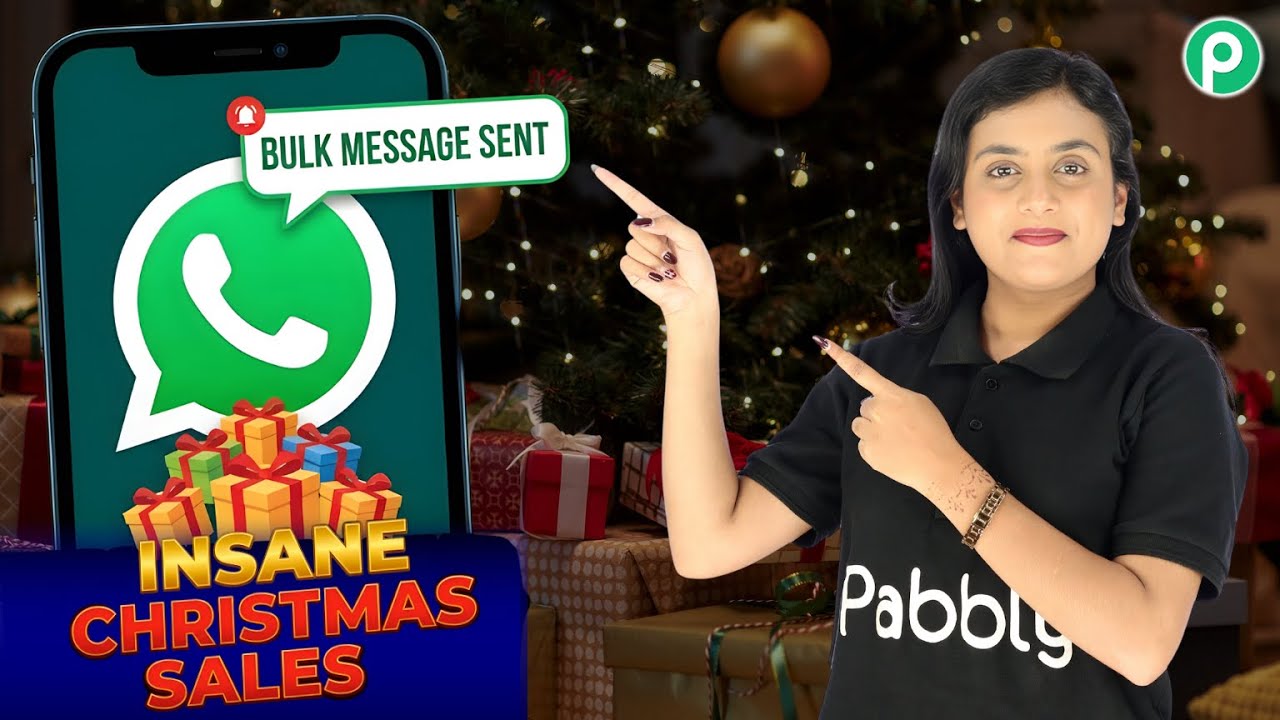
This WhatsApp Bulk Message Got Me INSANE Christmas Sales 🎄🤯

Learn how to use Pabbly Connect to send bulk WhatsApp messages for Christmas offers. Step-by-step tutorial on integrating Google Sheets and WhatsApp for maximum sales impact.

Watch Step By Step Video Tutorial Below


1. Accessing Pabbly Connect for Your Christmas Campaign

To start sending bulk WhatsApp messages for your Christmas sales, access Pabbly Connect by navigating to www.Pabbly.com/connect. Here, you will see options to sign in or sign up for free. New users can create an account and enjoy 100 free tasks each month to explore Pabbly Connect features.

Once signed in, click on the ‘Access Now’ button for Pabbly Connect. This will take you to the dashboard where you can create your automation workflow. Click on the ‘Create Workflow’ button to begin setting up your Christmas messaging campaign.


2. Creating a Workflow in Pabbly Connect

In the workflow creation section, select the beta version for a modern approach. Name your workflow something recognizable, like ‘Send Bulk Christmas Offer Messages on WhatsApp.’ Choose the appropriate folder for organization and click ‘Create.’

  • Select Google Sheets as the trigger application.
  • Choose the event as ‘New or Updated Spreadsheet Row’.
  • Click on the ‘Connect’ button to generate the webhook URL.

This setup allows Pabbly Connect to monitor your Google Sheets for any new customer data, which is essential for sending out your Christmas offers.


3. Linking Google Sheets to Pabbly Connect

After generating the webhook URL, open your Google Sheets, go to ‘Extensions’, then ‘Add-ons’, and select ‘Get Add-ons’. Search for ‘Pabbly Connect Webhooks’ and install it. After installation, refresh your spreadsheet.

  • Under ‘Extensions’, select ‘Pabbly Connect Webhooks’ and click on ‘Initial Setup’.
  • Paste the webhook URL into the designated field.
  • Set the trigger column to the column containing your customer phone numbers.

By doing this, you ensure that Pabbly Connect captures the necessary data from your Google Sheets to send out WhatsApp messages effectively.


4. Sending WhatsApp Messages through Pabbly Connect

Once Google Sheets is linked to Pabbly Connect, it’s time to set up the action step to send WhatsApp messages. Select ‘Pabbly Chatflow’ as your action application and choose the event as ‘Send Template Message’.

Connect your Pabbly Chatflow account by entering the API token from the settings. Map the recipient’s phone number from the previous step. Select the template for your Christmas offer message.

This process allows Pabbly Connect to send personalized messages to each customer, boosting engagement and sales during the holiday season.


5. Finalizing Your Messaging Setup

After setting up the WhatsApp message, you can test the workflow by sending a message to a test number. Click on ‘Save and Send Test Request’ to see if the message is delivered successfully.

If all goes well, you can enable the ‘Send All Data’ feature in Pabbly Connect, allowing you to send messages to all customers in your Google Sheets at once. This feature ensures that every customer receives your Christmas offer without manual effort.

By leveraging Pabbly Connect, you can seamlessly integrate Google Sheets and WhatsApp, ensuring efficient communication with your customers during the festive season.


Conclusion

Using Pabbly Connect to send bulk WhatsApp messages can significantly enhance your Christmas sales. By following this tutorial, you can automate your marketing efforts and engage with customers effectively. Start using Pabbly Connect today to boost your holiday sales!

Ensure you check out Pabbly Connect to create business automation workflows and reduce manual tasks. Pabbly Connect currently offer integration with 2,000+ applications.

Send WhatsApp Messages to LinkedIn Leads Automatically

Learn how to automatically send WhatsApp messages to LinkedIn leads using Pabbly Connect. Follow this step-by-step tutorial for seamless integration. This comprehensive guide reveals exactly how to connect your applications and automate repetitive tasks — accessible for professionals of all technical backgrounds.

Watch Step By Step Video Tutorial Below


1. Accessing Pabbly Connect for Automation

To start sending WhatsApp messages to LinkedIn leads automatically, you first need to access Pabbly Connect. Visit the Pabbly website and sign in or create a new account. This platform is essential for integrating LinkedIn and WhatsApp seamlessly.

Once logged in, navigate to the Pabbly Connect dashboard. Here, you can manage your workflows and integrations. Follow these simple steps to get started:

  • Visit the Pabbly website and click on ‘Sign In’ or ‘Sign Up’.
  • Access the Pabbly Connect app from the dashboard.

After accessing Pabbly Connect, you are ready to create a new workflow that will automate the process of sending WhatsApp messages to your LinkedIn leads.


2. Creating a Workflow in Pabbly Connect

Creating a workflow in Pabbly Connect is straightforward. Click on the ‘Create Workflow’ button, where you will name your workflow. For this tutorial, name it ‘Send WhatsApp Messages to LinkedIn Leads Automatically’. This name helps you identify your workflow easily.

Next, select the folder where you want to save this workflow. Choose an appropriate folder, such as ‘LinkedIn Automations’. After that, click on ‘Create’. This action initializes your workflow setup, allowing you to define triggers and actions.

  • Click on ‘Create Workflow’.
  • Name your workflow appropriately.
  • Select the correct folder for organization.

Now that your workflow is created, it’s time to set up the trigger that will activate the sending of WhatsApp messages whenever a new lead is generated in LinkedIn.


3. Setting Up the Trigger in Pabbly Connect

In this step, you will set up the trigger for your workflow in Pabbly Connect. Select LinkedIn as your trigger application. The trigger event you need to select is ‘Lead Notification’. This event will activate the workflow whenever a new lead is captured from LinkedIn.

After selecting LinkedIn, click on ‘Connect’. If you already have a connection, select it; otherwise, create a new connection by entering your LinkedIn credentials. Once connected, choose the sponsored account associated with your LinkedIn campaign and save the configuration.

Select LinkedIn as the trigger application. Choose ‘Lead Notification’ as the trigger event. Connect your LinkedIn account to Pabbly Connect.

With the trigger set, test the submission by generating a lead in LinkedIn. This test ensures that the connection and trigger are functioning correctly, paving the way for sending WhatsApp messages.


4. Sending WhatsApp Messages Using Pabbly Chatflow

Now that you have set up the trigger, it’s time to configure the action step in your workflow. You will use Pabbly Chatflow to send WhatsApp messages. In the action application, select Pabbly Chatflow and choose ‘Send Template Message’ as your action event.

Connect your Pabbly Chatflow account by entering the API token, which you can find in your Pabbly Chatflow settings. Once connected, map the recipient’s mobile number from the LinkedIn lead data you collected earlier. This ensures that the WhatsApp message is sent to the correct lead.

Select Pabbly Chatflow as the action application. Choose ‘Send Template Message’ as the action event. Map the mobile number and select your message template.

Ensure that you have created a message template in Pabbly Chatflow that includes dynamic variables for personalization. After configuring these settings, save and test the action step to confirm that the WhatsApp message is sent successfully.


5. Testing and Validating the Integration

After setting up the workflow, it’s crucial to test and validate the integration between LinkedIn and WhatsApp via Pabbly Connect. Submit a test lead through your LinkedIn form to trigger the workflow. Monitor the Pabbly Connect dashboard to ensure the lead data is captured correctly.

Check your WhatsApp to confirm that the message has been received. The message should include the personalized content based on the template you set up in Pabbly Chatflow. This step validates that your automation is functioning as intended, allowing you to engage with leads instantly.

Submit a test lead in LinkedIn to trigger the workflow. Verify that the lead data appears in Pabbly Connect. Check WhatsApp for the received message.

Once you confirm that everything works correctly, your automation is ready to go live, allowing you to send WhatsApp messages automatically to your LinkedIn leads.


Conclusion

In this tutorial, you learned how to use Pabbly Connect to automatically send WhatsApp messages to LinkedIn leads. By following the steps outlined, you can streamline your lead engagement process and enhance your communication strategy. Automate your workflows today with Pabbly Connect for efficient lead management.

Ensure you check out Pabbly Connect to create business automation workflows and reduce manual tasks. Pabbly Connect currently offer integration with 2,000+ applications.

SMS Automation for Marketing Agencies | Lead Follow-Up System

Learn how to set up SMS automation for marketing agencies using Pabbly Connect, integrating Google Ads and Twilio for effective lead follow-up. Navigate the automation landscape confidently with clear, structured guidance suitable for professionals regardless of prior technical experience.

Watch Step By Step Video Tutorial Below


1. Setting Up Pabbly Connect for SMS Automation

To begin your SMS automation journey, you first need to access Pabbly Connect. If you’re a new user, visit pabbl.com/connect and click on the ‘Sign Up for Free’ option. You will receive 100 free SMS every month to explore the capabilities of Pabbly Connect.

For existing users, simply log in to your Pabbly Connect account and open the workflow builder. This is where you’ll create the automation for sending SMS messages to your leads generated from Google Ads.


2. Creating a Workflow in Pabbly Connect

Once logged into Pabbly Connect, navigate to the workflow builder. Click on the ‘Add Trigger’ button to start your automation process. Search for ‘Google Ads’ and select it as your trigger application.

  • Choose the event as ‘New Lead Form Entry’.
  • Click on the ‘Connect’ button to establish a connection.
  • Copy the provided webhook URL for the next steps.

After copying the webhook URL, you need to create a Google Ads campaign that includes a lead form. Ensure that the form collects essential details such as name, email, phone number, and company name. This integration between Google Ads and Pabbly Connect will allow you to capture lead information automatically.


3. Connecting Google Ads to Pabbly Connect

To connect your Google Ads lead form to Pabbly Connect, go to the lead delivery section in your Google Ads campaign. Paste the copied webhook URL and enter your unique key. Click on ‘Send Test Data’ to ensure the connection is successful.

Once the test data is sent, return to Pabbly Connect to verify that the webhook response has been captured. This response indicates that your Google Ads lead form is successfully linked to Pabbly Connect.


4. Setting Up SMS Sending Action with Twilio

Now, you need to set up the action step for sending SMS messages. Click on the ‘Add New Action Step’ and search for ‘Twilio’ as your action application. Select the event as ‘Send SMS Message’ and click on ‘Connect’.

  • If you haven’t connected Twilio yet, select ‘Add a New Connection’.
  • Enter your Twilio Account SID and Authorization Token.
  • Click ‘Save’ to establish the connection.

After connecting Twilio to Pabbly Connect, you can compose your SMS message. Personalize it by mapping the lead’s name dynamically so that each lead receives a tailored message. Enter the sender’s number from your Twilio account and map the recipient’s number from the previous step.


5. Testing the SMS Automation

Once all configurations are done, it’s time to test your SMS automation. Click on ‘Save and Send Test Request’ in Pabbly Connect. If everything is set up correctly, you will receive a confirmation that the SMS has been sent successfully.

Check your phone to see the SMS message received, confirming that the automation works as intended. This process can greatly enhance your marketing agency’s efficiency by ensuring timely follow-ups with leads.


Conclusion

In conclusion, setting up SMS automation for marketing agencies using Pabbly Connect is a straightforward process that integrates Google Ads and Twilio. This automation allows agencies to efficiently follow up with leads, enhancing customer engagement and conversion rates.

Ensure you check out Pabbly Connect to create business automation workflows and reduce manual tasks. Pabbly Connect currently offer integration with 2,000+ applications.

Send Bulk WhatsApp Messages for Salon Offers

Learn how to send bulk WhatsApp messages for salon offers using Pabbly Chatflow. Follow our step-by-step tutorial to streamline your communication. Build conversational workflows that guide visitors toward conversion with dynamic, branching dialogs that respond intelligently to user input.

Watch Step By Step Video Tutorial Below


1. Access Pabbly Chatflow for Sending Bulk WhatsApp Messages

To send bulk WhatsApp messages for salon offers, first, you need to access Pabbly Chatflow. Open your browser and go to Pabbly’s website by typing ‘Pabbly.com/chatflow’. This will take you to the Pabbly Chatflow homepage.

Once there, you will see options to either sign in or sign up. If you are a new user, click on the ‘Sign Up Free’ button to create your account. For existing users, simply click ‘Sign In’ and enter your credentials to access your dashboard. Make sure to explore the features available in Pabbly Chatflow to maximize your messaging capabilities.


2. Connecting Your WhatsApp Number in Pabbly Chatflow

To send messages via WhatsApp, you must connect your WhatsApp number in Pabbly Chatflow. After signing in, navigate to the dashboard where you will find the option to add your WhatsApp number. Click on the ‘Add WhatsApp Number’ button to begin the connection process.

  • Select the ‘WhatsApp Connect’ option for a seamless integration.
  • Follow the prompts to complete the connection.

Once your WhatsApp number is connected, you can start utilizing Pabbly Chatflow to send personalized messages to your salon customers. Ensure that your WhatsApp number is verified to avoid any issues during messaging.


3. Creating a Message Template for Salon Offers

Next, you need to create a message template for your salon offers. In Pabbly Chatflow, navigate to the ‘Templates’ section from the left sidebar. Here, you can create a new template by clicking on the ‘Add Template’ button.

Fill in the required fields, including the template name and the message content. Make sure to personalize the message by including variables, such as the customer’s name. This will help in sending a more engaging and tailored message to each recipient.

  • Ensure your template is approved before use.
  • Use dynamic fields to personalize your messages.

After creating the template, you can easily use it for your bulk messaging through Pabbly Chatflow. This step is crucial to ensure your messages are relevant and appealing to your customers.


4. Broadcasting Messages to Your Contacts

With your message template ready, it’s time to send out the bulk WhatsApp messages. In Pabbly Chatflow, go to the ‘Broadcast’ section and click on ‘Add Broadcast’. Choose the broadcast type as ‘Campaign’ and give it a name.

Next, select the contact list to whom you want to send the messages. You can upload a CSV file with your customer data or select an existing list in your Pabbly Chatflow account.

Choose whether to send an instant message or schedule it for later. If scheduling, select the date and time for the broadcast.

Once everything is set, click on ‘Add Broadcast’. Your messages will be sent as per your chosen settings. This feature of Pabbly Chatflow allows you to efficiently reach all your customers at once, enhancing your salon’s promotional efforts.


5. Analyzing Broadcast Results

After sending your broadcast, it is essential to analyze the results. In Pabbly Chatflow, you can view the status of your sent messages in the ‘View Stats’ section of your broadcast. This will give you insights into how many messages were sent, delivered, read, or failed.

By analyzing these metrics, you can adjust your future campaigns for better engagement. Pabbly Chatflow provides valuable data that can help refine your messaging strategy and improve your salon offers outreach.


Conclusion

Sending bulk WhatsApp messages for salon offers using Pabbly Chatflow streamlines your communication process. By following the steps outlined, you can efficiently connect with your customers, create personalized messages, and analyze the effectiveness of your campaigns.

Ensure you check out Pabbly Connect to create business automation workflows and reduce manual tasks. Pabbly Connect currently offer integration with 2,000+ applications.

From Ads to Sheets: How Real Estate Agencies Capture Leads Automatically

Learn how to automate lead capture from Google Ads to Google Sheets using Pabbly Connect in this step-by-step tutorial for real estate agencies. Navigate the automation landscape confidently with clear, structured guidance suitable for professionals regardless of prior technical experience.

Watch Step By Step Video Tutorial Below


1. Accessing Pabbly Connect for Lead Automation

To automate lead capture from Google Ads to Google Sheets, you first need to access Pabbly Connect. If you are a new user, navigate to the Pabbly Connect landing page by searching for ‘Pabbly.com/connect’ in your browser.

Once on the page, click on the ‘Sign Up for Free’ button located in the top right corner. This allows you to explore Pabbly Connect with 100 free tasks per month, enabling you to add up to 100 lead details for free. If you find the service useful, consider purchasing the lifetime offer available during the holiday sale.


2. Setting Up the Google Ads Integration with Pabbly Connect

In this step, you will set up the integration between Google Ads and Pabbly Connect. Start by clicking on the ‘Add Trigger’ button within your Pabbly Connect workflow. Search for ‘Google Ads’ and select it as your trigger application.

  • Choose the event as ‘New Lead Form Entry’.
  • Click on the ‘Connect’ button to proceed.
  • Copy the provided webhook URL for connecting Google Ads.

Next, go to your Google Ads campaign and create a lead form. Under the lead delivery settings, paste the copied webhook URL into the designated field. This establishes the connection between Google Ads and Pabbly Connect.


3. Capturing Lead Details via Pabbly Connect

After setting up the lead form in Google Ads, you will need to send test data to capture lead details. In your Google Ads settings, click on ‘Send Test Data’. This action will trigger Pabbly Connect to receive the test lead information, including fields like city, phone number, email, and name.

Once the test data is sent, return to your Pabbly Connect workflow. You should see that the test data has been successfully captured. This step confirms that your integration is working correctly, and you can now proceed to set up the action step that adds this lead data to Google Sheets.


4. Adding Captured Leads to Google Sheets Using Pabbly Connect

Now, you will set up the action to add the captured lead details into Google Sheets using Pabbly Connect. Click on ‘Add New Action Step’ and search for ‘Google Sheets’ as your action application. Select it and choose the event as ‘Add New Row’.

  • Click ‘Connect’ to establish a connection with Google Sheets.
  • If you have an existing connection, select it; otherwise, create a new one by signing in with your Google account.
  • Grant all necessary permissions for Pabbly Connect to access your Google Sheets.

Next, select the spreadsheet where you want to store the lead data. Map the fields from the previous step to the corresponding columns in your Google Sheet. This mapping ensures that each new lead’s details are automatically filled in the right places.


5. Testing and Activating Your Automation

After mapping all necessary fields, click on ‘Save and Send Test Request’ in Pabbly Connect. This action sends a test lead to your selected Google Sheet. You should see the details appear in the designated columns, confirming that the integration is functioning correctly.

Now that you have tested your automation, it will automatically capture new leads from Google Ads and add them to your Google Sheets. This setup streamlines your lead management process, allowing you to focus on converting leads into clients.


Conclusion

In this tutorial, we demonstrated how to automate the process of capturing leads from Google Ads to Google Sheets using Pabbly Connect. This integration allows real estate agencies to efficiently manage their leads and improve their workflow. By following these steps, you can implement this automation for your agency and enhance your lead capturing process.

Ensure you check out Pabbly Connect to create business automation workflows and reduce manual tasks. Pabbly Connect currently offer integration with 2,000+ applications.

Manage Course Enquiries in Notion Automatically

Learn how to manage course enquiries in Notion automatically using Pabbly Connect to integrate Facebook leads and streamline your coaching business. Revolutionize your productivity approach with just a few strategic clicks. Uncover professional methods for connecting applications and creating workflows that reclaim hours of your week.

Watch Step By Step Video Tutorial Below


1. Accessing Pabbly Connect for Automation

To manage course enquiries in Notion automatically, the first step is to access Pabbly Connect. Open your browser and navigate to Pabbly.com/connect. This platform is essential for integrating your Facebook lead ads with Notion to streamline your coaching inquiries.

Once on the Pabbly Connect homepage, you will see options to sign in or sign up for a free account. New users can create an account and enjoy 100 free tasks monthly. Existing users should simply sign in to begin the automation process.


2. Creating a Workflow in Pabbly Connect

After signing in to Pabbly Connect, you will be directed to the dashboard. Here, click on the ‘Create Workflow’ button to start building your automation. You will be prompted to choose between the new beta version or the classic version; select the beta version for a modern experience.

  • Click on the ‘Select’ button for the beta version.
  • Name your workflow, e.g., ‘Manage Course Enquiries in Notion Automatically’.
  • Choose a folder for your workflow, like ‘Automations’.
  • Click on the ‘Create’ button to finalize your workflow setup.

This workflow will be the backbone of your automation, connecting Facebook leads to Notion seamlessly through Pabbly Connect.


3. Setting Up the Trigger with Facebook Lead Ads

Next, you need to set up the trigger for your workflow in Pabbly Connect. Since you are using Facebook lead ads to gather inquiries, select Facebook Lead Ads as your trigger application. For the event, choose ‘New Lead Instant’ to capture leads as they come in.

Click on the ‘Connect’ button to establish a new connection. You will need to log in to your Facebook account and select the appropriate page, which in this case is ‘Spark Success Coaching’. Choose the lead generation form that you created for course inquiries.


4. Adding Action Step to Create Database Item in Notion

After setting up the trigger, it’s time to add an action step in your workflow. Select Notion as the action application and choose the event ‘Create Database Item’. This will allow you to automatically add the new inquiry to your Notion database.

Again, click on the ‘Connect’ button to link your Notion account with Pabbly Connect. Grant the necessary permissions and select the database where you want to store the inquiries, such as ‘Course and Query’. Map the fields from the Facebook lead to the corresponding fields in Notion, ensuring that the data flows correctly.

  • Map the phone number, email address, course name, and lead name from Facebook to Notion.
  • Click on the ‘Save and Send Test Request’ button to verify the integration.

Once you receive a successful response, check your Notion database to confirm that the new inquiry has been added. This step demonstrates how Pabbly Connect effectively bridges your Facebook leads and Notion database.


5. Testing the Integration

Finally, to ensure that your automation is functioning correctly, you need to test the integration. Use the lead ads testing tool by Meta to generate a test lead. This will simulate a real inquiry and allow you to see if the data flows into Notion as expected.

After creating a test lead, return to Pabbly Connect and observe the workflow. If everything is set up correctly, you should see the new inquiry reflected in your Notion database almost instantly. This confirms that your automation is working flawlessly, ensuring that no leads are missed.


Conclusion

In conclusion, managing course enquiries in Notion automatically is made easy with Pabbly Connect. By integrating Facebook lead ads with Notion, you can streamline your coaching business and ensure that every inquiry is captured efficiently. This step-by-step tutorial has outlined the essential processes to set up this automation, enabling you to enhance your lead management.

Ensure you check out Pabbly Connect to create business automation workflows and reduce manual tasks. Pabbly Connect currently offer integration with 2,000+ applications.

How to Use Google Gemini AI to Automate Instagram Posts (Step-by-Step)

Learn how to automate Instagram posts using Google Gemini AI with Pabbly Connect. Follow this step-by-step tutorial for seamless integration. Discover hidden automation capabilities within your existing tools. This guide shows you how to connect your essential applications and permanently eliminate redundant manual processes.

Watch Step By Step Video Tutorial Below


1. Accessing Pabbly Connect for Automation

To automate Instagram posts using Google Gemini AI, the first step is to access Pabbly Connect. Start by visiting the Pabbly website and signing in or signing up for a new account. Pabbly Connect provides a seamless integration platform that connects various applications, including Google Sheets and Instagram.

Once logged into your Pabbly Connect dashboard, you will find options to create new workflows. Click on the ‘Create Workflow’ button to start setting up your automation process. Ensure that you select the new beta workflow builder for a more flexible experience. This is where you will configure the integration between Google Sheets and Instagram using Google Gemini AI.


2. Setting Up the Workflow with Google Sheets

In this section, you will configure your workflow in Pabbly Connect to trigger actions based on updates in Google Sheets. Begin by selecting Google Sheets as your trigger application. Choose the ‘New or Updated Spreadsheet Row’ as the trigger event. This setup ensures that any new data entered into your Google Sheets will initiate the automation process.

  • Select Google Sheets as the trigger application.
  • Choose ‘New or Updated Spreadsheet Row’ as the trigger event.
  • Connect your Google Sheets account to Pabbly Connect.
  • Test the connection to ensure it works properly.

After setting up the trigger, you will need to configure the webhook URL provided by Pabbly Connect. This URL acts as a bridge between Google Sheets and Pabbly Connect, allowing data to flow seamlessly. Follow the instructions in your Google Sheets to set up the Pabbly Webhooks add-on and enter the webhook URL in the setup.


3. Generating Content Using Google Gemini AI

Once the trigger is set up, the next step is to generate captions for your Instagram posts using Google Gemini AI through Pabbly Connect. Add a new action step to your workflow and select Google Gemini as the action application. Choose ‘Generate Content’ as the action event to create engaging captions based on the data from your Google Sheets.

In the action configuration, you will need to input the API key from Google Gemini. This key connects Pabbly Connect to Google Gemini AI. After entering the API key, set up the prompt that will guide the AI in generating relevant content. For example, you might use a prompt like, ‘Write a short engaging Instagram caption for a nature post based on the title.’ This will help create captions that resonate with your audience.

  • Select Google Gemini as the action application.
  • Choose ‘Generate Content’ as the action event.
  • Input your API key from Google Gemini.
  • Set up the prompt for content generation.

This process ensures that every time new data is added to your Google Sheets, a fresh caption will be generated automatically, ready for posting on Instagram.


4. Posting to Instagram with Pabbly Connect

After generating the caption, the final step is to post the content to Instagram using Pabbly Connect. Add another action step in your workflow and select Instagram as the action application. Choose ‘Create Upload and Publish Photo’ as the action event. This action will publish the generated caption along with the image URL from Google Sheets directly to your Instagram account.

Ensure that you connect your Instagram account to Pabbly Connect. You will need to grant permissions for Pabbly Connect to access your Instagram for Business account. Once the connection is established, map the fields for the photo URL and caption generated by Google Gemini AI to ensure the correct information is posted.

Select Instagram as the action application. Choose ‘Create Upload and Publish Photo’ as the action event. Connect your Instagram account to Pabbly Connect. Map the photo URL and caption fields.

Once everything is set, click on ‘Save and Send Test Request’ to test the entire workflow. If all configurations are correct, your post will be published on Instagram with the generated caption.


5. Conclusion

In conclusion, using Pabbly Connect to automate Instagram posts with Google Gemini AI is an efficient way to streamline your social media management. By following the steps outlined in this tutorial, you can effortlessly connect Google Sheets, Google Gemini, and Instagram for seamless content creation and posting. This automation not only saves time but also enhances the quality of your Instagram feed.

Ensure you check out Pabbly Connect to create business automation workflows and reduce manual tasks. Pabbly Connect currently offer integration with 2,000+ applications.

Check out Pabbly Connect – Automate your business workflows effortlessly! Sign Up Free – Start your journey with ease! 10,000+ Video Tutorials – Learn step by step! Join Pabbly Facebook Group – Connect with 21,000+ like minded people!

With Pabbly Connect, you can explore even more integrations and optimize your workflows. Start automating your processes today to improve your productivity and engagement on social media!