
How to Sync Google Ads Leads to Pipedrive CRM Using Pabbly Connect

Learn how to sync Google Ads leads to Pipedrive CRM effortlessly using Pabbly Connect for easy tracking and management. Revolutionize your productivity approach with just a few strategic clicks. Uncover professional methods for connecting applications and creating workflows that reclaim hours of your week.

Watch Step By Step Video Tutorial Below


1. Accessing Pabbly Connect for Integration

To sync Google Ads leads to Pipedrive CRM, start by accessing Pabbly Connect. Go to the Pabbly Connect website at www.Pabbly.com/connect. Here, you will find options to sign in or sign up for free, allowing new users to get started with 100 free tasks every month.

After signing in, you will be directed to the Pabbly Connect dashboard. This is where you will create the automation workflow that connects Google Ads and Pipedrive. Click on the ‘Access Now’ button to proceed with setting up your integration.


2. Creating a Workflow in Pabbly Connect

Next, you will create a new workflow in Pabbly Connect. Click on the ‘Create Workflow’ button, and you will have the option to choose between the new beta method or the classic method. For this tutorial, select the classic method to maintain familiarity.

  • Name your workflow: ‘Sync Google Ads Leads to Pipedrive CRM for Easy Tracking’.
  • Select a folder for your workflow.
  • Click ‘Create’ to finalize your workflow setup.

Once created, you will see two windows: the trigger window and the action window. The trigger indicates what starts the automation, while the action represents what happens as a result. In this case, you’ll set Google Ads as the trigger application.


3. Setting Up Google Ads Trigger in Pabbly Connect

In the trigger window, select Google Ads as your trigger application. The trigger event should be set to ‘New Lead Form Entry’. Pabbly Connect will provide you with a unique webhook URL that you will need to copy.

To integrate Google Ads with Pabbly Connect, navigate to your Google Ads campaign. In the lead delivery section, paste the webhook URL you copied earlier. You will need to remove everything after the last slash to extract the key. Once done, send a test request to ensure the connection is functioning correctly.


4. Adding Action to Pipedrive in Pabbly Connect

After setting up the trigger, it’s time to add an action in Pabbly Connect. Select Pipedrive as your action application and choose the action event ‘Create Person’. This step is crucial as it will store the lead’s information in your Pipedrive account.

  • Click on ‘Connect’ to establish a connection with Pipedrive.
  • Enter your Pipedrive API token, which can be found in your Pipedrive account settings under personal preferences.
  • Map the lead’s first name and last name from the trigger data to create a person.

Once you have mapped the necessary fields, click on ‘Save and Send Test Request’ to verify that the person has been created successfully in your Pipedrive account.


5. Creating a Deal in Pipedrive Using Pabbly Connect

Now that a person has been created, the final step is to create a deal for that person in Pipedrive. In Pabbly Connect, add another action step and select ‘Create Deal’ as the action event.

Ensure you connect to Pipedrive again and map the necessary fields such as the title (using the person’s name), pipeline ID, and other relevant details. After mapping the fields, click on ‘Save and Send Test Request’ to complete the deal creation process.

Once the deal is created, you can check your Pipedrive account to confirm that the lead and their deal have been successfully added. This automation ensures that every new lead from Google Ads is automatically tracked in Pipedrive without manual effort.


Conclusion

By using Pabbly Connect, you can effortlessly sync Google Ads leads to Pipedrive CRM for easy tracking and management. This integration automates the entire process, ensuring that no lead is missed and that your sales pipeline remains organized.

Ensure you check out Pabbly Connect to create business automation workflows and reduce manual tasks. Pabbly Connect currently offer integration with 2,000+ applications.

How to Add Leads from IndiaMART to Brevo Email Campaign List Using Pabbly Connect

Learn how to seamlessly integrate leads from IndiaMART to your Brevo email campaign list using Pabbly Connect with this step-by-step tutorial. Explore efficient methods for automating routine tasks with clear, concise instructions suited for both newcomers and experienced professionals.

Watch Step By Step Video Tutorial Below


1. Accessing Pabbly Connect for Integration

To add leads from IndiaMART to your Brevo email campaign list, you first need to access Pabbly Connect. This integration platform allows you to automate the process efficiently.

Open your browser and navigate to the Pabbly Connect homepage. If you are a new user, click on ‘Sign Up Free’ to create your account and get started with 100 free tasks every month. Existing users can simply click on ‘Sign In’ to access their dashboard.


2. Creating a Workflow in Pabbly Connect

Once you are logged into Pabbly Connect, you need to create a workflow to connect your IndiaMART account with Brevo. Click on the ‘Create Workflow’ button located at the top right corner of the dashboard.

  • Name your workflow (e.g., ‘Add Leads from IndiaMART to Brevo’).
  • Select the folder to save your workflow.
  • Choose a trigger application, which will be IndiaMART.

After selecting the trigger application, you will set up the trigger event by choosing ‘New Lead’ from the list. This ensures that every time a new lead is generated in IndiaMART, it will trigger the workflow in Pabbly Connect.


3. Connecting Your IndiaMART Account

Now that you have set up the trigger, it’s time to connect your IndiaMART account to Pabbly Connect. Copy the webhook URL provided by Pabbly and navigate to your IndiaMART account.

  • Go to the Lead Manager section in IndiaMART.
  • Click on Import/Export Leads.
  • Select Push API and enter the webhook URL.

After entering the webhook URL, you will need to select the source as ‘Other’ and provide the platform name as Pabbly Connect. Once done, save the details and test the connection by generating a test lead in IndiaMART.


4. Adding Brevo Email as an Action

With your IndiaMART account connected, the next step is to set up the action in Pabbly Connect. Select Brevo as your action application and choose the event ‘Create or Update a Contact’. This step allows you to add new leads directly to your Brevo email campaign list.

During this setup, you will need to enter your Brevo API key. To obtain this, log into your Brevo account, navigate to the API section, and generate a new API key. Copy this key and paste it into the Pabbly Connect action setup.


5. Mapping Data and Testing the Integration

Now that both IndiaMART and Brevo are connected through Pabbly Connect, you will need to map the data fields. This ensures that the lead information from IndiaMART correctly populates the corresponding fields in Brevo.

Map the email address from the lead data to the email field in Brevo. Select the appropriate list in Brevo where the leads should be added. Review all mapped fields to ensure accuracy.

After mapping the data, click on the ‘Save and Send Test Request’ button to check if the integration works correctly. If successful, you will see the new contact added to your Brevo account under the specified list.


Conclusion

In this tutorial, you learned how to use Pabbly Connect to automate the process of adding leads from IndiaMART to your Brevo email campaign list. By following these steps, you can efficiently manage your leads without manual effort, ensuring timely follow-ups and improved engagement.

Ensure you check out Pabbly Connect to create business automation workflows and reduce manual tasks. Pabbly Connect currently offer integration with 2,000+ applications.

How to Auto-Create Sales Opportunities in HubSpot from IndiaMART Leads Using Pabbly Connect

Learn how to automatically create sales opportunities in HubSpot from IndiaMART leads using Pabbly Connect with this step-by-step tutorial. Follow this definitive guide to creating powerful automated workflows with straightforward, efficiency-focused solutions that save valuable time.

Watch Step By Step Video Tutorial Below


1. Accessing Pabbly Connect for Integration

To auto-create sales opportunities in HubSpot from IndiaMART leads, first, you need to access Pabbly Connect. This platform serves as the central hub for integrating various applications without any coding skills required.

Visit the Pabbly Connect website by typing Pabbly.com/connect in your browser. If you are an existing user, click on the ‘Sign In’ button located at the top right corner. For new users, click ‘Sign Up for Free’ to create an account and receive 100 free tasks monthly.


2. Creating a New Workflow in Pabbly Connect

After signing in, navigate to the dashboard where you can see all your workflows. To create a new workflow, click on the ‘Create Workflow’ button. This is where Pabbly Connect allows you to set up the process for integrating IndiaMART with HubSpot.

  • Select the Classic workflow builder for a familiar interface.
  • Name your workflow as ‘Create Sales Opportunity in HubSpot from IndiaMART Leads’.
  • Choose a folder to organize your workflow, such as ‘India Automations’.

Once you create the workflow, you will see two boxes appear: one for the trigger and another for the action. This setup is essential for automating the lead creation process.


3. Setting Up the Trigger with IndiaMART

The next step is to set up the trigger event in Pabbly Connect. This will initiate the workflow whenever a new lead is received from IndiaMART. Select IndiaMART as your trigger application.

In the trigger event, choose ‘New Leads’. This action will trigger the workflow whenever a new lead is generated. You will need to connect your IndiaMART account to Pabbly Connect by providing a webhook URL, which acts as a bridge between the two platforms.


4. Configuring HubSpot for Action Steps

After successfully setting up the trigger with IndiaMART, the next step involves configuring HubSpot as the action application in Pabbly Connect. Select HubSpot CRM from the action application list and choose ‘Create Contact’ as the action event.

Connect your HubSpot account to Pabbly Connect by logging in and authorizing the connection. Once connected, you can map the fields from the IndiaMART leads to the corresponding fields in HubSpot, ensuring all relevant data is transferred accurately.

  • Map the lead’s name to the contact name in HubSpot.
  • Link the email address from IndiaMART to HubSpot’s email field.
  • Ensure the phone number is also mapped correctly.

Once mapping is complete, save the workflow and test it to ensure that the integration is functioning as intended.


5. Testing the Integration

To finalize the setup, it’s crucial to test the integration between IndiaMART and HubSpot through Pabbly Connect. This involves sending a test lead from IndiaMART to verify that it creates a contact in HubSpot successfully.

If the test is successful, you will receive a confirmation that the contact has been created in HubSpot. You can then check your HubSpot dashboard to see the newly created contact reflecting the details from the test lead.

This step confirms that the automation is working correctly, allowing you to streamline your sales process efficiently.


Conclusion

In this tutorial, we demonstrated how to use Pabbly Connect to automatically create sales opportunities in HubSpot from IndiaMART leads. By following these steps, you can enhance your sales process and save valuable time.

Ensure you check out Pabbly Connect to create business automation workflows and reduce manual tasks. Pabbly Connect currently offer integration with 2,000+ applications.

Utilizing Pabbly Connect for such integrations not only simplifies your workflow but also ensures that you never miss a lead, allowing your business to grow effortlessly.

How to Trigger Gmail Alert When Stripe Payment Is High Value Using Pabbly Connect

Learn how to set up Pabbly Connect to trigger Gmail alerts for high-value Stripe payments. Follow our detailed step-by-step tutorial to automate your notifications. Follow this definitive guide to creating powerful automated workflows with straightforward, efficiency-focused solutions that save valuable time.

Watch Step By Step Video Tutorial Below


1. Accessing Pabbly Connect for Integration

To trigger a Gmail alert when a Stripe payment is high, you need to access Pabbly Connect. Start by opening a new tab and navigating to pabby.com/connect. This platform will serve as the central hub for your integration.

Once you’re on the Pabbly Connect homepage, you will see options to either sign up for a new account or sign in. If you already have an account, simply sign in. After logging in, click on the Pabbly Connect option and select the ‘Access Now’ button to proceed to the dashboard.


2. Creating a New Workflow in Pabbly Connect

In the Pabbly Connect dashboard, you can create automation workflows. To do this, click on the ‘Create Workflow’ button located at the right-hand corner. You will be prompted to choose between the classic builder and the new beta version. Select the beta version for a better experience. using Pabbly Connect

  • Click on the ‘Select’ button to open the workflow creation dialog.
  • Enter a name for your workflow, such as ‘Trigger Gmail Alert When Stripe Payment Is High’.
  • Choose a folder where you want to save this workflow, like the automation folder.

After filling in these details, click on the ‘Create’ button. You will see a confirmation that your workflow has been created successfully. Now you are ready to set up the trigger and action for your integration.


3. Setting Up Stripe as the Trigger in Pabbly Connect

To set up your trigger, select Stripe as the application. Click on the plus button to add a trigger and search for Stripe in the search bar. Choose the ‘New Charge’ event and click on the ‘Connect’ button to link your Stripe account with Pabbly Connect.

Next, you will be provided with a webhook URL. Copy this URL, then navigate to your Stripe account. Go to the ‘Developers’ section and select ‘Webhooks’. Click on the ‘Add Endpoint’ button and paste the webhook URL into the endpoint URL field.

  • Add a description (optional) and choose ‘Events on your account’.
  • Select the event ‘Charge Succeeded’ to receive notifications for successful payments.
  • Click on the ‘Add Events’ button to finalize your webhook setup.

Now, you have successfully connected your Stripe account to Pabbly Connect, and your workflow is ready to capture payment notifications.


4. Filtering Payments in Pabbly Connect

After setting up the trigger, the next step is to filter payments to ensure you only receive alerts for high-value transactions. Click on the plus button again and select ‘Filter by Pabbly’ as the application. Choose the event ‘Filter Value’ and connect it.

In the filter setup, map the amount from the Stripe response to check if it is greater than or equal to 10,000. Select the filter type as ‘Greater Than’ and input the value as 10,000. Click on the ‘Save and Send Test Request’ button to verify your filter works correctly.

Ensure the response status is success and the condition is true. If the amount is in a different currency, use the number formatter to convert it before filtering.

Your filter is now set up, ensuring you only receive alerts for payments that meet your criteria, thus making Pabbly Connect an essential tool in your workflow.


5. Sending Gmail Alerts Using Pabbly Connect

The final step is to set up Gmail as the action application to send alerts. Click on the plus button and select Gmail. Choose the event ‘Send Email V1’ and connect your Gmail account to Pabbly Connect.

Map the required fields for the email, including the recipient’s email address, subject, and content. Use the mapped amount from the previous steps to customize your alert message. For example, set the subject as ‘High Value Payment Received of {amount}’ and include details in the email body.

Leave the CC and BCC fields empty if not needed. Select ‘Plain’ as the content type for simplicity.

After filling out the email details, click on the ‘Save and Send Test Request’ button. You should receive a confirmation that the email was sent successfully. This completes your setup, allowing Pabbly Connect to trigger Gmail alerts whenever a high-value Stripe payment is received.


Conclusion

In this tutorial, we demonstrated how to use Pabbly Connect to trigger Gmail alerts for high-value payments received through Stripe. By following these steps, you can automate your payment notifications effectively and ensure you never miss important transactions.

Ensure you check out Pabbly Connect to create business automation workflows and reduce manual tasks. Pabbly Connect currently offer integration with 2,000+ applications.

How to Sync Leads from Google Ads to Google Sheets Using Pabbly Connect

Learn how to sync leads from Google Ads to Google Sheets effortlessly using Pabbly Connect with this step-by-step tutorial. Follow this definitive guide to creating powerful automated workflows with straightforward, efficiency-focused solutions that save valuable time.

Watch Step By Step Video Tutorial Below


1. Accessing Pabbly Connect for Google Ads Integration

To sync leads from Google Ads to Google Sheets, start by accessing Pabbly Connect. Visit the Pabbly Connect landing page by typing ‘pabyt.com/connect’ in your browser’s address bar.

Once on the Pabbly Connect website, sign in to your account. If you are a new user, you can sign up for free to receive 100 tasks monthly. Existing users should click the ‘Sign In’ button located in the top right corner.


2. Creating a New Workflow in Pabbly Connect

After signing in, navigate to the Pabbly Connect dashboard, where you can manage your workflows. To create a new workflow, click the ‘Create Workflow’ button. In the pop-up, select the new beta workflow builder for a modern experience.

  • Name your workflow as ‘Sync Leads from Google Ads to Google Sheets.’
  • Select a folder for organization, such as ‘Google Sheets Automations.’

Click ‘Create’ to finalize your workflow setup. This action sets the stage for integrating Google Ads with Google Sheets through Pabbly Connect.


3. Setting Up the Trigger for Google Ads

In the newly created workflow, you will need to set up a trigger to initiate the automation process. Select Google Ads as your trigger application and choose ‘New Lead Form Entry’ as the trigger event.

Now, connect Pabbly Connect with Google Ads by providing a webhook URL. This URL acts as a bridge between Google Ads and Pabbly Connect. Open your Google Ads account, navigate to your test lead form, and locate the lead delivery option to enter the webhook URL.


4. Configuring Google Sheets as the Action Application

After setting up your trigger, it’s time to configure Google Sheets as the action application. Click on ‘Add New Action Step’ and search for Google Sheets. Select ‘Add New Row’ as the action event and connect it to your Google Sheets account.

  • Choose the spreadsheet you created named ‘Google Ads Leads.’
  • Map the fields from the Google Ads response to the corresponding columns in your Google Sheet.

By using mapping, you ensure that every new lead captured is dynamically added to your Google Sheet without manual entry, showcasing the power of Pabbly Connect.


5. Testing and Finalizing the Integration

To complete the integration, send test data from Google Ads to verify that the setup works correctly. After sending the test data, check your Google Sheet to confirm that the lead details have been added successfully.

This testing phase is crucial as it ensures that Pabbly Connect is effectively syncing leads from Google Ads to Google Sheets. Once confirmed, your automation is fully operational, allowing for seamless lead management.


Conclusion

In this tutorial, we explored how to sync leads from Google Ads to Google Sheets using Pabbly Connect. By automating this process, you can save time and streamline your lead management effectively. Start using Pabbly Connect today to enhance your business workflows.

Ensure you check out Pabbly Connect to create business automation workflows and reduce manual tasks. Pabbly Connect currently offer integration with 2,000+ applications.

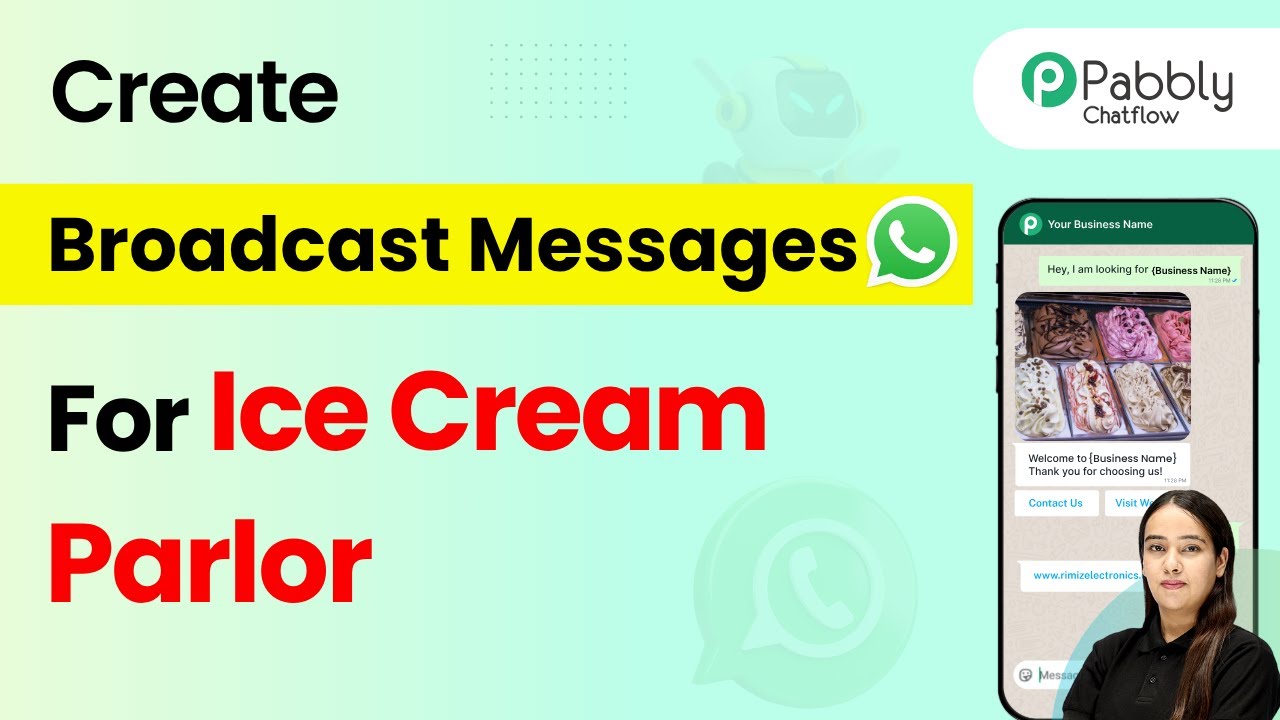
How to Broadcast WhatsApp Messages for Your Ice Cream Parlor Using Pabbly Chatflow

Learn how to effectively broadcast WhatsApp messages for your ice cream parlor using Pabbly Chatflow. Step-by-step guide to automate customer communication. Build conversational workflows that guide visitors toward conversion with dynamic, branching dialogs that respond intelligently to user input.

Watch Step By Step Video Tutorial Below


1. Accessing Pabbly Chatflow for WhatsApp Integration

To start broadcasting WhatsApp messages for your ice cream parlor, you first need to access Pabbly Chatflow. This platform allows you to automate communication with your customers efficiently.

Begin by visiting the Pabbly Chatflow website. If you are a new user, click on the ‘Sign Up for Free’ button. Existing users can simply sign in. Once logged in, you will be directed to the dashboard where you can manage your WhatsApp messages and broadcasts.


2. Setting Up Your WhatsApp Connection in Pabbly Chatflow

Once you are in Pabbly Chatflow, the next step is to set up your WhatsApp connection. This is crucial for sending messages to your customers. Click on the ‘Add WhatsApp Number’ button located at the top right corner of the dashboard.

  • Choose between WhatsApp Connect and Manual Token Connect.
  • For WhatsApp Connect, you need to verify your Meta Business Manager account.
  • For Manual Token Connect, enter your Meta access token and WhatsApp Business Account ID.

After selecting your connection type and entering the necessary details, click on the ‘Connect’ button. This will link your WhatsApp account with Pabbly Chatflow, allowing you to send messages seamlessly.


3. Creating Your Broadcast Message in Pabbly Chatflow

With your WhatsApp connection established, you can now create a broadcast message. In Pabbly Chatflow, click on the ‘Broadcast’ option from the dashboard. Then, select the ‘Add Broadcast’ button to start setting up your message.

Here, you will need to fill in several fields:

  • Broadcast Type: Choose between Broadcast Campaign and API Campaign.
  • Broadcast Name: Name your broadcast, such as ‘Ice Cream Specials’.
  • Contact List: Select the predefined list of contacts you want to send the message to.

After filling in these details, you can select the message type, either a pre-approved template or a regular message, to ensure your broadcast is compliant with WhatsApp’s policies.


4. Scheduling Your Broadcast in Pabbly Chatflow

After creating your broadcast message, the next step is scheduling it. In Pabbly Chatflow, you can choose to send your broadcast instantly or schedule it for a later date and time.

To schedule your message, simply select the date and time you want the broadcast to be sent. For instance, you might want to send your ice cream special offers at 6:15 PM on a specific date. After setting the time, click on the ‘Schedule’ button to confirm your broadcast.


5. Testing Your Broadcast in Pabbly Chatflow

Testing your broadcast is a crucial step to ensure everything is working correctly. In Pabbly Chatflow, you can send a test message to verify that your broadcast setup is functioning as expected.

To do this, enter a test phone number in the designated field and click on the ‘Send Test Message’ button. Once sent, check your WhatsApp to see if the message appears as intended. This will confirm that your broadcast settings are correct and ready for your customers.

Conclusion

This guide summarizes the key points and helps you understand the essential features and benefits of using this tool.

Ensure you check out Pabbly Connect to create business automation workflows and reduce manual tasks. Pabbly Connect currently offer integration with 2,000+ applications.


Using Pabbly Chatflow for broadcasting WhatsApp messages can greatly enhance your communication with customers at your ice cream parlor. Follow these steps to automate your messaging and keep your customers updated with the latest offers and news.

Automatically Add New Product Posts to Pinterest from Shopify Using Pabbly Connect

Learn how to automatically add new product posts to Pinterest from Shopify using Pabbly Connect with our detailed step-by-step tutorial. Discover how to seamlessly connect your essential tools through accessible instructions that make powerful automation available to professionals at every skill level.

Watch Step By Step Video Tutorial Below


1. Accessing Pabbly Connect for Integration

To start automating the process of adding new product posts to Pinterest from Shopify, first, access Pabbly Connect. You can do this by visiting Pabbly.com/connect in your web browser. This platform is designed to facilitate seamless integrations without requiring any coding skills.

Once on the Pabbly Connect page, you will need to sign into your account. If you’re a new user, simply click on the ‘Sign Up for Free’ option to create an account. After logging in, you will be directed to the Pabbly Connect dashboard where you can create and manage your workflows.


2. Creating a New Workflow in Pabbly Connect

After accessing your Pabbly Connect dashboard, the next step is to create a new workflow for integrating Shopify and Pinterest. Click on the ‘Create Workflow’ button. You will be prompted to choose between the new beta workflow builder and the classic one. For this tutorial, select the classic version. using Pabbly Connect

  • Click on ‘Create Workflow’ and name it ‘Automatically Add New Product Post to Pinterest from Shopify’.
  • Select the folder where you want to save this workflow.
  • Click on ‘Create’ to finalize the new workflow.

Upon creation, you will see two boxes labeled ‘Trigger’ and ‘Action’. The trigger indicates when the automation starts, while the action defines what happens as a result. In this case, the trigger will be when a new product is created in Shopify, and the action will be to create a pin in Pinterest.


3. Setting Up Shopify as the Trigger Application

In this step, you will set Shopify as the trigger application in your Pabbly Connect workflow. Click on the trigger box and select Shopify from the list of applications. Then, choose the event ‘New Product Created’. This means that every time a new product is added to your Shopify store, it will trigger the workflow. using Pabbly Connect

Next, you need to connect Pabbly Connect with your Shopify account. A webhook URL will be provided by Pabbly Connect, which acts as a bridge between the two applications. Go to your Shopify account, navigate to Settings, and then to Notifications. Click on Webhooks and create a new webhook.

  • Select the event as ‘Product Creation’.
  • Set the format to JSON and paste the webhook URL from Pabbly Connect.
  • Choose the latest API version and click ‘Save’.

Once saved, return to Pabbly Connect, and you will see that it is waiting for a webhook response. This indicates that the connection is set up correctly and ready to receive data from Shopify.


4. Creating a Pin in Pinterest as the Action Application

With the trigger set up, the next step is to configure the action application, which in this case is Pinterest. Click on the action box and select Pinterest. Then, choose the action event as ‘Create a Pin’. Click on ‘Connect’. If you already have a connection, you can save it; otherwise, select ‘Add New Connection’. using Pabbly Connect

Upon connecting, you will need to authorize Pabbly Connect to access your Pinterest account. After granting access, you will need to specify the board where the pin will be created. For this, select the appropriate board from your Pinterest account.

Use the mapping feature to dynamically input data from the Shopify response. Map the image URL, title, and description from the Shopify product details. Avoid entering static data to ensure the pin updates with new products.

After filling in the required fields, click ‘Save and Send Test Request’. If successful, you will see the new pin created in your Pinterest account.


5. Testing and Executing the Workflow

Now that you have set up the trigger and action applications, it’s time to test the workflow. Go back to your Shopify account and create a new product. Fill in the product details such as title, description, and upload an image. Once done, click ‘Save’. This action will trigger the workflow in Pabbly Connect.

After saving the product, return to Pabbly Connect and check the webhook response. You should see the details of the newly created product. If the response is received correctly, it indicates that the connection between Shopify and Pabbly Connect is working effectively.

Confirm that the pin has been created in your Pinterest account with the correct details. Ensure that the title, description, and image are accurately represented in the pin. This finalizes the integration process.

With the successful execution of the workflow, you have now automated the process of adding new product posts to Pinterest from Shopify using Pabbly Connect. This automation will save you time and streamline your social media marketing efforts.


Conclusion

In this tutorial, we demonstrated how to automatically add new product posts to Pinterest from Shopify using Pabbly Connect. By following the steps outlined, you can streamline your e-commerce operations and enhance your marketing efforts through automation.

Ensure you check out Pabbly Connect to create business automation workflows and reduce manual tasks. Pabbly Connect currently offer integration with 2,000+ applications.

Sync Leads from LinkedIn Lead Ads to Airtable Automatically Using Pabbly Connect

Learn how to automatically sync leads from LinkedIn Lead Ads to Airtable using Pabbly Connect. This step-by-step tutorial covers all necessary actions for seamless integration.

Watch Step By Step Video Tutorial Below


1. Accessing Pabbly Connect for Integration

To sync leads from LinkedIn Lead Ads to Airtable automatically, you need to access Pabbly Connect. Begin by navigating to the Pabbly website and signing in or creating a free account. This platform is essential for automating your workflow between LinkedIn and Airtable.

Once logged in, you will be presented with various applications offered by Pabbly. Locate Pabbly Connect to create your automated workflow. This integration allows you to connect LinkedIn Lead Ads directly to Airtable, ensuring that new leads are captured without manual intervention.


2. Creating a New Workflow in Pabbly Connect

Next, you need to create a new workflow in Pabbly Connect. Click on the ‘Create Workflow’ button located at the top right corner of the dashboard. This step is crucial as it sets the foundation for automating the lead syncing process.

  • Choose a descriptive name for your workflow, such as ‘Sync Leads from LinkedIn Lead Ads to Airtable Automatically’.
  • Select the folder where you want to save this workflow.

After naming your workflow and selecting the appropriate folder, you will proceed to set up the trigger event. This is where you will define how Pabbly Connect will react when a new lead is generated from LinkedIn Lead Ads.


3. Setting Up the Trigger for LinkedIn Lead Ads

In this section, you will set the trigger to activate when a new lead is received from LinkedIn Lead Ads. Click on the ‘Add Trigger’ button and select LinkedIn as your application. Choose the event as ‘Lead Notification’ to ensure that the workflow starts when a new lead is submitted.

After selecting the trigger, you will need to connect your LinkedIn account to Pabbly Connect. Ensure you are logged into your LinkedIn account, then authorize Pabbly Connect to access your LinkedIn Lead Ads. This connection is vital for the automation process to function correctly.

  • Confirm the connection by selecting the sponsored account associated with your LinkedIn Lead Ads.
  • Test the connection to verify that it is properly set up.

Once the connection is successful, you are ready to proceed to the next step of mapping the data from LinkedIn to Airtable using Pabbly Connect.


4. Adding Action Step to Create a Record in Airtable

Now that the trigger is set up, the next step is to add an action to create a record in Airtable. Click on the ‘Add Action’ button and select Airtable as your application. Choose the event ‘Create a Record’ to ensure that the lead details are added automatically to your Airtable account.

To connect your Airtable account with Pabbly Connect, you will need to authorize the connection. Make sure you allow access to the necessary resources within your Airtable account. This is crucial for ensuring that the lead details are captured accurately.

Select the base and table where the lead information should be stored. Map the fields from LinkedIn Lead Ads to the corresponding fields in Airtable.

After successfully mapping the fields, click on ‘Save and Send Test Request’ to confirm that the integration works as expected. This step will ensure that any new lead captured will automatically create a record in Airtable through Pabbly Connect.


5. Testing the Integration and Finalizing Setup

With the action step configured, it’s time to test the entire integration process. Generate a test lead in your LinkedIn Lead Ads to see if it syncs correctly to Airtable. This is a critical step to ensure that everything is functioning properly.

Monitor the response in Pabbly Connect to verify that the lead details are accurately transferred to Airtable. If successful, you will see the new record appear in your Airtable base. This confirmation indicates that the automation is working seamlessly.

Check for any discrepancies in the data transferred. If everything looks good, finalize the setup by clicking on ‘Turn On’ for your workflow.

Congratulations! You have successfully set up an automated process using Pabbly Connect to sync leads from LinkedIn Lead Ads to Airtable. This automation will save you time and effort by eliminating manual data entry.


Conclusion

In this tutorial, we explored how to use Pabbly Connect to automate the syncing of leads from LinkedIn Lead Ads to Airtable. By following these steps, you can streamline your lead management process and enhance efficiency in your business operations.

Ensure you check out Pabbly Connect to create business automation workflows and reduce manual tasks. Pabbly Connect currently offer integration with 2,000+ applications.

Utilizing Pabbly Connect not only simplifies the workflow but also ensures that all lead data is captured accurately and promptly. This integration is essential for any business looking to optimize its marketing efforts.

Setting Up Slack Notifications for New IndiaMART Wholesale Inquiries Using Pabbly Connect

Learn how to set up Slack notifications for new IndiaMART wholesale inquiries with Pabbly Connect. Follow this step-by-step tutorial for seamless integration. Explore efficient methods for automating routine tasks with clear, concise instructions suited for both newcomers and experienced professionals.

Watch Step By Step Video Tutorial Below


1. Setting Up Pabbly Connect for Slack Notifications

To set up Slack notifications for new IndiaMART wholesale inquiries, you need to use Pabbly Connect. Start by accessing the Pabbly Connect website by searching for ‘Pabbly.com/connect’ in your browser. Once there, you will find options to sign in or sign up for free. If you are a new user, you can click on ‘Sign up for free’ to get started.

After signing in, you will be directed to the Pabbly Connect dashboard. Here, click on the button that says ‘Create Workflow’. You will be prompted to select a workflow builder. Choose either the new or classic option; the classic option is recommended for those who prefer a stable interface. Once selected, enter a name for your workflow, select a folder for saving, and click ‘Create’. This initiates the workflow setup process.


2. Selecting IndiaMART as Trigger Application

Now that you have set up your workflow in Pabbly Connect, the next step is to select IndiaMART as your trigger application. In the workflow window, locate the trigger section and search for ‘IndiaMART’. Select it and choose ‘New Leads’ as the trigger event. This action will enable Pabbly Connect to monitor for new inquiries from your IndiaMART account.

  • Search for ‘IndiaMART’ in the trigger application section.
  • Select ‘New Leads’ as the trigger event.
  • Copy the provided webhook URL for further use.

Once you have selected the trigger settings, Pabbly Connect will generate a webhook URL. Copy this URL as you will need to paste it into your IndiaMART account to establish the connection. This step is crucial for ensuring that inquiries from IndiaMART are forwarded to Slack via Pabbly Connect.


3. Configuring IndiaMART to Use the Webhook

The next step involves configuring your IndiaMART account to utilize the webhook URL provided by Pabbly Connect. Log into your IndiaMART account and navigate to the ‘Lead Manager’ section in the left sidebar. From there, go to the ‘Import/Export Leads’ menu and select ‘Push API’. Here, you will need to choose ‘Other’ as the source and enter ‘Pabbly Connect’ as the CRM platform name.

  • Select ‘Other’ in the source option.
  • Enter ‘Pabbly Connect’ as the CRM platform name.
  • Paste the copied webhook URL into the designated field.

After pasting the URL, click on ‘Save Details’ to finalize the configuration. You may be prompted to enter a reason for shifting leads to another application; complete this step and generate an OTP for verification. Once you submit the OTP, your webhook listener URL will be successfully added, establishing a connection between IndiaMART and Pabbly Connect.


4. Testing the Webhook Connection

With the webhook configured, it’s time to test the connection to ensure that Pabbly Connect can receive data from IndiaMART. Return to your IndiaMART account and look for the ‘Test Your Webhook Listener URL’ option. Click on this to initiate a test submission, which will send a test lead to Pabbly Connect.

Once the test is executed, return to your Pabbly Connect workflow. You should see that the test submission has been captured, displaying details like the subject, state, and pin code. This confirms that the connection is successful and data is being transmitted correctly from IndiaMART to Pabbly Connect.


5. Setting Up Slack Notifications for New Leads

Now that the webhook is successfully tested, the final step is to set up Slack notifications for new leads using Pabbly Connect. In your workflow, search for ‘Slack’ in the action application section and select it. Choose ‘Send Channel Message’ as the action event. You will need to connect your Slack account to Pabbly Connect by adding a new connection.

When prompted, select the token type for your connection. You can choose either user or bot type. After granting the necessary permissions, select the channel where you want the notifications to be sent, such as ‘New Leads’. You can then customize the message that will be sent to Slack, including dynamic data from the previous step.

Finally, click on ‘Save and Send Test Request’. If everything is set up correctly, you will receive a notification in your Slack channel confirming that a new lead has been received from IndiaMART. This integration allows your team to respond quickly and efficiently to inquiries, streamlining your sales process.


Conclusion

By following this tutorial, you can effectively set up Slack notifications for new IndiaMART wholesale inquiries using Pabbly Connect. This integration ensures your sales team is alerted promptly, allowing for faster response times and enhanced customer engagement. Try this automation for your business today and see the benefits of seamless integration.

Ensure you check out Pabbly Connect to create business automation workflows and reduce manual tasks. Pabbly Connect currently offer integration with 2,000+ applications.

Build an AI Assistant for Your Educational Business Using Pabbly Chatflow

Learn how to create an AI assistant for your educational business using Pabbly Chatflow. Step-by-step guide to automate responses and improve efficiency. Build conversational workflows that guide visitors toward conversion with dynamic, branching dialogs that respond intelligently to user input.

Watch Step By Step Video Tutorial Below


1. Accessing Pabbly Chatflow for Your AI Assistant

To build an AI assistant for your educational business, you first need to access Pabbly Chatflow. Open a new browser tab and enter the URL Pabbly.com/chatflow. If you are an existing user, click on the sign-in button. For new users, click on ‘sign up for free’.

Once signed in, you will be directed to the Pabbly Chatflow dashboard. Here, you can see various features available. Click on ‘Access Now’ to enter the main dashboard where you can manage your AI assistant effectively.


2. Creating Your AI Assistant in Pabbly Chatflow

After accessing Pabbly Chatflow, the next step is to create your AI assistant. Click on the ‘AI Assistant’ feature on the left sidebar. To add a new assistant, click on the button that allows you to create one.

  • Provide a name for your AI assistant, such as ‘Educational Business AI Assistant’.
  • Select the instruction type as ‘AI Agent’.
  • Configure the AI temperature setting for creativity.

Make sure to select the AI model you wish to use. In this case, choose ‘OpenAI’ and select ‘Chat GPT 4.0 Mini’ as the model. This configuration ensures that your assistant can provide intelligent responses based on user queries.


3. Integrating WhatsApp with Pabbly Chatflow

To enhance your AI assistant’s capabilities, integrating WhatsApp is essential. In the settings of Pabbly Chatflow, you can add your WhatsApp number. Click on ‘Add WhatsApp Number’ to start the integration process.

  • Choose between ‘WhatsApp Connect Beta’ or ‘Manual Token Connect’.
  • For manual connection, generate a Meta access token from Facebook Meta for developers.
  • Paste the generated token in the required field in Pabbly Chatflow.

This integration allows your AI assistant to communicate with users via WhatsApp, making it easier to respond to inquiries and manage interactions efficiently.


4. Customizing Your AI Assistant in Pabbly Chatflow

Customization is key to making your AI assistant effective. Within Pabbly Chatflow, you can set up various features such as header messages, footers, and fallback messages. Enable the toggle for header messages and customize them according to your educational business needs.

Set a default fallback message for when the AI cannot understand a query. Upload a knowledge source in .txt format, ensuring it does not exceed 90 MB. Customize the assistant’s interface, including colors and themes.

Once you have configured these settings, your AI assistant will be ready to handle inquiries related to your educational business efficiently.


5. Finalizing and Activating Your AI Assistant

The final step is to save and activate your AI assistant in Pabbly Chatflow. After completing all customizations, click on the ‘Save AI Assistant’ button. This action ensures that your assistant is now fully functional and ready to assist users.

Make sure to test your AI assistant by sending a message like ‘Hello’. The assistant should respond promptly, indicating it is operational. This testing phase is crucial for ensuring your AI assistant meets your educational business needs effectively.


Conclusion

In conclusion, building an AI assistant for your educational business using Pabbly Chatflow is a straightforward process. By following these steps, you can automate responses and enhance user engagement effectively. Start utilizing Pabbly Chatflow today to streamline your operations.

Ensure you check out Pabbly Connect to create business automation workflows and reduce manual tasks. Pabbly Connect currently offer integration with 2,000+ applications.