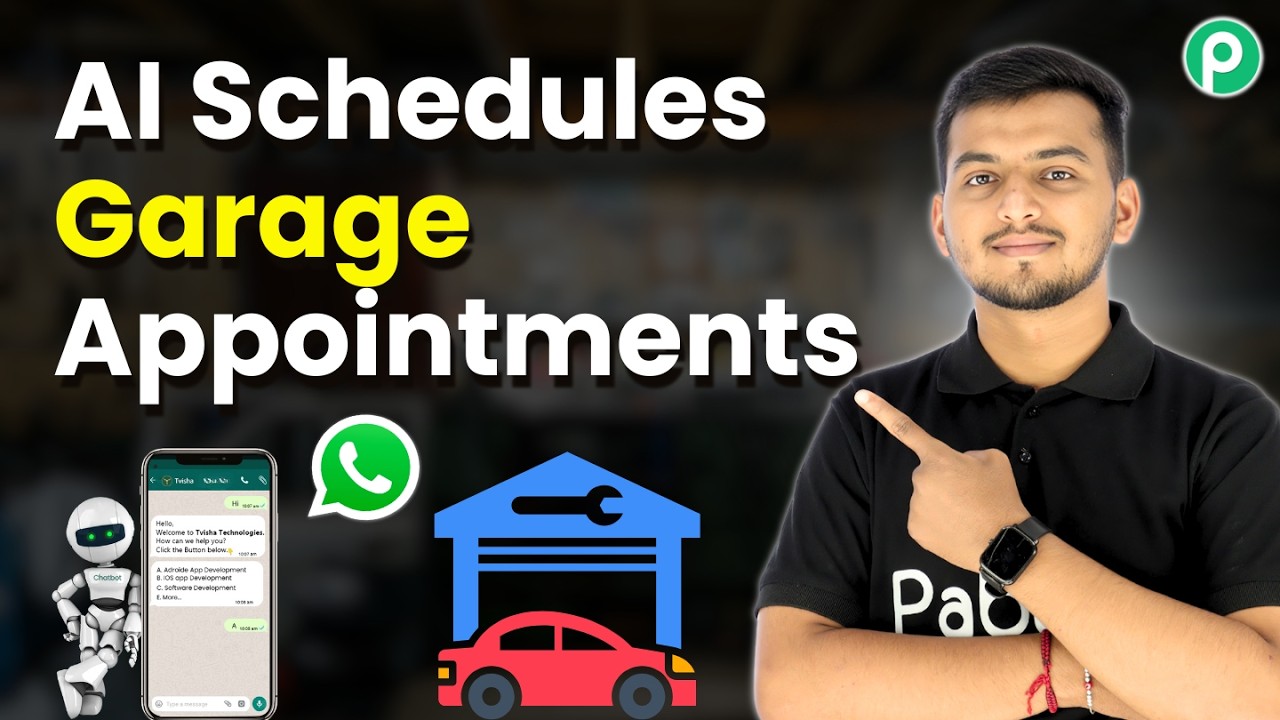
Pabbly Chatflow Automation: Capture Leads & Bookings on WhatsApp (Revenue Booster)

Learn how to automate lead capturing and bookings on WhatsApp using Pabbly Chatflow and Pabbly Chatflow in this detailed step-by-step tutorial. Discover practical methods for designing chat sequences that capture leads, answer questions, and guide users to the next step in your funnel.

Watch Step By Step Video Tutorial Below


1. Accessing Pabbly Chatflow for WhatsApp Automation

To begin using Pabbly Chatflow, navigate to the official website and sign up or log in. This platform allows you to create automated workflows that capture leads and bookings via WhatsApp.

Once logged in, you will see the dashboard where you can access various features. Click on the ‘Access Now’ button for Pabbly Chatflow. Here, you can connect your WhatsApp number by selecting either WhatsApp Connect or Manual Token Connect.


2. Creating a WhatsApp Chatbot Flow with Pabbly Chatflow

In this section, we will create a flow for your WhatsApp chatbot using Pabbly Chatflow. Start by clicking on the ‘Flows’ option in the sidebar. You will be directed to the flow builder page.

  • Click the ‘Add Flow’ button.
  • Name your flow, for example, ‘Capture Leads and Bookings on WhatsApp’.
  • Select a trigger event, such as ‘Keyword or Regex Match’.

After setting up the trigger, drag and drop message blocks to create a welcome message. Add buttons for services offered, which will guide users through the booking process.


3. Configuring Service Options and User Inputs

Now that we have established the basic flow in Pabbly Chatflow, let’s configure the services and collect user information. After the welcome message, users will select a service from the provided options.

To do this, create a list node where you can add different services. For instance, you might include:

  • Haircut
  • Facial
  • Manicure

Once a user selects a service, prompt them to enter their full name, email, preferred appointment date, and time.


4. Integrating Pabbly Connect to Save Data to Google Sheets

After collecting user inputs, it’s essential to save this data for future reference. This is where Pabbly Connect comes into play. Use the API request node in your flow to connect to Google Sheets.

To set this up, follow these steps:

Create a new workflow in Pabbly Connect. Select the trigger as ‘New Message Received’ from Pabbly Chatflow. Copy the webhook URL and paste it into your WhatsApp flow.

>Once set, map the user details to the corresponding fields in your Google Sheet, ensuring that each entry is recorded accurately.


5. Finalizing Your WhatsApp Chatbot with Pabbly Chatflow

Now that your flow is complete, it’s time to finalize the setup in Pabbly Chatflow. Add a confirmation message that thanks users for their booking and summarizes their details.

For example, the confirmation message could say: ‘Thank you, [Full Name]. Your appointment for [Service Type] is confirmed for [Date] at [Time].’ This personalized touch enhances user experience.

Finally, save your flow and test it to ensure everything works seamlessly. Share your flow link with others to let them experience the benefits of automation with Pabbly Chatflow.


Conclusion

In this tutorial, we explored how to automate lead capturing and bookings on WhatsApp using Pabbly Chatflow and Pabbly Connect. By setting up a WhatsApp chatbot, you can streamline your business operations and enhance customer engagement.

Ensure you check out Pabbly Connect to create business automation workflows and reduce manual tasks. Pabbly Connect currently offer integration with 2,000+ applications.

Easiest Way to Auto-Schedule Google Meet From Forms

Learn how to auto-schedule Google Meet from forms using Pabbly Connect. Step-by-step guide to streamline your scheduling process. Discover hidden automation capabilities within your existing tools. This guide shows you how to connect your essential applications and permanently eliminate redundant manual processes.

Watch Step By Step Video Tutorial Below


Accessing Pabbly Connect Dashboard for Google Meet Integration

To start the process of auto-scheduling Google Meet from forms, the first step is to access the Pabbly Connect dashboard. Open a new tab and navigate to Pabbly.com/connect. Here, you will see options to either sign in or sign up for a free account. If you are new to Pabbly Connect, click on the ‘Sign up free’ button to create your account and enjoy 100 free tasks every month.

Once you have signed up or logged in, you will be directed to the Pabbly Connect dashboard. From here, you can create a new workflow by clicking on the ‘Create Workflow’ button. This is the starting point for integrating Google Meet with your form submissions through Pabbly Connect.


Creating a Workflow in Pabbly Connect for Google Meet

After accessing the Pabbly Connect dashboard, you need to create a new workflow. Click on the ‘Create Workflow’ button and select the new beta version for a modern interface. Name your workflow, such as ‘Ninja Form to Google Meet Scheduler,’ and select a folder to save it.

Next, you will set up the trigger application. For this tutorial, we will use Ninja Forms as the trigger application. Click on the plus button, search for Ninja Forms, and select it. Choose the ‘New Form Submission’ event to trigger the workflow whenever a new form submission occurs.

  • Click on the ‘Connect’ button to establish a connection.
  • Copy the webhook URL provided by Pabbly Connect.
  • Open your Ninja Forms dashboard and paste the webhook URL in the email actions.

This setup allows Pabbly Connect to capture data from Ninja Forms whenever a new submission is made, which is essential for scheduling Google Meet sessions automatically.


Integrating Google Meet with Pabbly Connect

With the trigger set up, the next step is to integrate Google Meet as the action application in your Pabbly Connect workflow. Click on the plus button to add an action application and search for Google Meet. Select it and choose the ‘Schedule Meeting’ event.

Click the ‘Connect’ button to establish a connection with Google Meet. If you are connecting for the first time, select ‘Add New Connection’ and sign in with your Google account. Grant Pabbly Connect access to your Google account to proceed.

  • Map the summary and description fields using the data collected from the Ninja Form.
  • Set the start and end time for the meeting based on user input.
  • Use the date and time formatter in Pabbly Connect to ensure the correct format.

This integration allows you to automatically generate a Google Meet link based on the form submission details, making the scheduling process seamless and efficient.


Sending Email Notifications via Gmail Using Pabbly Connect

Once the Google Meet has been scheduled, the final step is to send an email notification to the user via Gmail. Add another action application by clicking the plus button and search for Gmail. Choose the ‘Send Email’ event to notify users about their scheduled meeting.

Establish a connection with Gmail by clicking on the ‘Connect’ button. Similar to the previous steps, select ‘Add New Connection’ and sign in with your Google account. Once connected, you can now map the recipient’s email address and the content of the email using the data collected from the Ninja Form.

Map the email subject and body to include meeting details and the Google Meet link. Ensure the sender’s email is correctly set to your Gmail account. Test the workflow to confirm that emails are sent successfully.

This feature allows Pabbly Connect to automate the communication process, ensuring users receive timely notifications about their scheduled meetings.


Conclusion: Streamlining Scheduling with Pabbly Connect

In conclusion, using Pabbly Connect to auto-schedule Google Meet from forms simplifies the entire scheduling process. By integrating Ninja Forms, Google Meet, and Gmail, you can automate the generation of meeting links and notifications efficiently. This automation not only saves time but also enhances user experience, allowing for seamless communication and scheduling.

Ensure you check out Pabbly Connect to create business automation workflows and reduce manual tasks. Pabbly Connect currently offer integration with 2,000+ applications.

Follow the steps outlined in this tutorial to set up your own automated workflow and streamline your scheduling tasks with Pabbly Connect.

Step-by-Step: Setting Up a WhatsApp Chatbot for a Multispecialty Clinic

Learn how to set up a WhatsApp chatbot for your multispecialty clinic using Pabbly Chatflow. Follow this step-by-step guide to automate patient interactions. Discover how to design chat experiences that feel personal and responsive while handling customer inquiries automatically around the clock.

Watch Step By Step Video Tutorial Below


1. Setting Up Pabbly Chatflow for Your WhatsApp Chatbot

To set up a WhatsApp chatbot for a multispecialty clinic, the first step is accessing Pabbly Chatflow. Start by visiting the website Pabbly.com/chatflow. Here, you will find options to either sign in or sign up for free. New users can register to receive 100 free credits each month, which allows them to explore the software’s features.

Once logged in, you will be directed to the Pabbly Chatflow dashboard. On the left sidebar, locate the ‘Flows’ option and click on it. This is where you will begin creating your chatbot workflow. Click on the ‘Add Flow’ button to initiate your project. Name your flow appropriately, such as ‘Step by Step Setting Up a WhatsApp Chatbot for a Multispecialty Clinic’ to keep your project organized.


2. Defining Triggers in Pabbly Chatflow

In Pabbly Chatflow, defining triggers is essential for your chatbot’s functionality. To set this up, select the ‘Trigger Event’ section. Here, you can choose various options; for this setup, select ‘Keywords’ as your trigger type. This allows the chatbot to respond when specific keywords are entered by users.

  • Enter keywords like ‘hi’ and ‘hello’ to trigger the chatbot.
  • Press enter after each keyword to add them to the list.

Once you have set your keywords, proceed to create a welcome message. This message will greet users who trigger the chatbot by sending one of the defined keywords. To do this, select the ‘Text’ button and enter a welcoming message such as ‘Hello, welcome to Care Plus Multispecialty Clinic! How may we assist you today?’ This sets a friendly tone for the interaction.


3. Creating Appointment Booking Options in Pabbly Chatflow

Next, you will need to provide users with options to book appointments. Using Pabbly Chatflow, create quick reply buttons that allow users to choose their desired actions. For instance, add a button labeled ‘Book Appointment’ to guide users towards scheduling their visit.

  • Select the button type as ‘Quick Reply’ for instant user interaction.
  • Link this button to the next step where users can select their health conditions.

When users click on the ‘Book Appointment’ button, they should receive a list of health conditions. Use the ‘List’ button feature to provide this information. Enter a message in the body section, like ‘Please select the health condition you’d like consultation for,’ followed by the treatment types. This ensures users have clear options to choose from.


4. Collecting User Information in Pabbly Chatflow

After a user selects a treatment type, the next step in Pabbly Chatflow is to gather essential information from them. This includes asking for their name, age, appointment date, and contact number. Use the ‘Ask Question’ feature to prompt users to provide this information.

Create questions for each piece of information you need, selecting the appropriate contact custom fields for each. For example, ask for the patient’s full name and set the contact custom field as ‘Full Name’.

Ensure that each question is clearly worded, and set the format for responses. For instance, use text format for the name and date formats for appointment dates. This will help maintain the structure and accuracy of the data collected.


5. Finalizing the Chatbot Flow in Pabbly Chatflow

Once all user interactions are set up, it’s time to finalize your chatbot flow in Pabbly Chatflow. This includes sending a confirmation message after collecting all necessary data. The message should dynamically include the user’s input, such as their name and appointment details.

For instance, you can set a text button at the end of the flow that states, ‘Appointment request received. We have received the following details: Patient name: [Full Name], Age: [Age], Treatment type: [Treatment Type], Appointment date: [Appointment Date].’ This personalized response enhances user experience and confirms their booking.

Finally, save your flow and test it to ensure everything works as intended. Send a test message to your WhatsApp account to see if the bot responds correctly. This testing phase is crucial to ensure that all elements function seamlessly.


Conclusion

Setting up a WhatsApp chatbot for your multispecialty clinic using Pabbly Chatflow is a straightforward process. By following these steps, you can automate patient interactions efficiently. This enhances communication, allowing you to focus on providing quality care to your patients.

Ensure you check out Pabbly Connect to create business automation workflows and reduce manual tasks. Pabbly Connect currently offer integration with 2,000+ applications.

How to Add Student Leads to Your Database Automatically

Learn how to automatically add student leads to your database using Pabbly Connect with Google Ads and Google Sheets integration. Follow this step-by-step tutorial. Build sophisticated automated workflows in less time than you think. This guide translates complex integrations into straightforward steps for immediate implementation.

Watch Step By Step Video Tutorial Below


1. Accessing Pabbly Connect for Automation

To start automating the addition of student leads to your database, you need to access Pabbly Connect. If you’re a new user, open your browser and navigate to pabbl.com/connect. Click on the ‘Sign Up for Free’ button in the top right corner to create your account.

Once registered, you will receive 100 free tasks monthly to explore Pabbly Connect. This allows you to add up to 100 student lead details to your database without any manual intervention. If you find the service beneficial, consider subscribing to unlock more features.


2. Creating a Workflow in Pabbly Connect

In the Pabbly Connect dashboard, navigate to the workflow builder. Here, you will create an automation workflow that connects Google Ads with Google Sheets. This integration will ensure that every new lead from Google Ads is automatically added to your Google Sheets.

To set up the workflow, you need to define a trigger and an action. The trigger will be a new lead form entry from Google Ads, and the action will be adding a new row in Google Sheets. Follow these steps to create your workflow:

  • Click on the ‘Add Trigger’ button.
  • Search for and select Google Ads.
  • Choose the event as ‘New Lead Form Entry’ and click ‘Connect’.

After connecting, you will receive a webhook URL. Copy this URL to use in your Google Ads campaign.


3. Connecting Google Ads to Pabbly Connect

To link Google Ads with Pabbly Connect, go to your Google Ads campaign and find the lead form settings. In the lead delivery section, paste the webhook URL you copied earlier. This step is crucial as it allows Google Ads to send lead details directly to Pabbly Connect.

Once you have pasted the URL, click on ‘Send Test Data’ to ensure the connection works. If successful, Pabbly Connect will capture the test lead details, including phone number, email address, first name, and last name. You can either wait for a real lead or proceed with the test data.


4. Adding Leads to Google Sheets via Pabbly Connect

Now that you have set up the trigger, it’s time to define the action in Pabbly Connect. Click on ‘Add New Action Step’ and search for Google Sheets. Select it, and for the event, choose ‘Add New Row’ and click ‘Connect’.

If you have previously connected Google Sheets, select the existing connection. Otherwise, create a new connection by signing in with your Google account. Grant the necessary permissions to Pabbly Connect to access your Google Sheets. After connecting, select the specific spreadsheet and sheet where you want to add lead details.

  • Map the lead details from Google Ads to the corresponding columns in Google Sheets.
  • Use the mapping feature to dynamically insert data from the previous step.

After mapping all required fields, click on ‘Save and Send Test Request’. You should see a positive response confirming that the lead details have been successfully added to your Google Sheets.


5. Conclusion: Automate Your Lead Management with Pabbly Connect

Using Pabbly Connect to automate the process of adding student leads to your database can save you time and reduce errors. By following the steps outlined above, you can ensure that every new lead from Google Ads is captured and stored in Google Sheets without manual effort.

Ensure you check out Pabbly Connect to create business automation workflows and reduce manual tasks. Pabbly Connect currently offer integration with 2,000+ applications.

This automation not only streamlines your lead management process but also allows your sales team to access lead details instantly. Try implementing this automation in your own business using Pabbly Connect and witness the efficiency it brings to your operations.


10× Business Growth with Painting & Renovation Services Bot

Learn how to enhance your painting and renovation business with Pabbly Chatflow by creating an automated services bot for effective customer management. Discover how to design chat experiences that feel personal and responsive while handling customer inquiries automatically around the clock.

Watch Step By Step Video Tutorial Below


1. Accessing Pabbly Chatflow for Your Business Growth

To start leveraging Pabbly Chatflow for your painting and renovation services, open a new tab and navigate to bably.com/chatflow. This platform is essential for automating customer interactions and managing inquiries efficiently.

Once on the site, you will see options to sign in or sign up for free. If you are new, click on the ‘Sign Up Free’ option to receive 100 free credits each month. Existing users should simply sign in to access their dashboard.


2. Creating Your Automated Chatbot with Pabbly Chatflow

After signing in, you will be directed to the Pabbly Chatflow dashboard. Here, you can manage all your WhatsApp numbers in one place. To create your chatbot, click on the ‘Add Flow’ button. This is where you will set up the automation for your painting and renovation services.

  • Click on the ‘Add Flow’ button.
  • Enter a name for your flow, such as ’10x Business Growth with Painting and Renovation Services Bot’.
  • Select your trigger event, which will be based on keywords.

Once you have named your flow, define the keywords that will trigger the bot. For instance, entering ‘hi’ and ‘hello’ ensures that whenever users send these messages, the bot responds with a welcome message tailored for your services.


3. Building the Flow in Pabbly Chatflow

Now that you have your keywords set, it’s time to build the flow of your Pabbly Chatflow bot. Start by adding a text message that welcomes users. For example, you can write, ‘Hello, welcome to Color Nest Painting Solutions. How can we help you today?’

Next, add quick reply buttons for options like ‘View Services’, ‘Book Service’, and ‘Contact Support’. This setup allows users to navigate easily through your services.

  • Add a text message to welcome users.
  • Create quick reply buttons for user options.
  • Link the trigger to the welcome message.

With this structure, your bot can guide users through the services you offer, making it an efficient tool for managing customer inquiries.


4. Customizing Your Chatbot’s Responses with Pabbly Chatflow

Customization is key to enhancing user experience. In your Pabbly Chatflow setup, ensure that your bot asks for specific details like property type and size. This can be done by adding a question node that prompts users to provide their property details.

For instance, after a user selects a service type, the bot can respond with, ‘Please share your property type and size with an example.’ This level of customization allows you to gather necessary information for service delivery.

Prompt users for their property details after selecting a service. Utilize contact custom fields to store user inputs. Send a confirmation message with the collected details.

By customizing your bot’s responses, you ensure that users feel engaged and that their inquiries are handled promptly and efficiently.


5. Finalizing Your Chatbot Integration with Pabbly Chatflow

Once your flow is complete, it’s crucial to save your work in Pabbly Chatflow. Click on the ‘Save’ button to ensure all your configurations are stored. Additionally, if you want to collect leads, consider integrating your chatbot with Google Sheets for data management.

To do this, you can explore other resources that show how to connect Pabbly Chatflow with Google Sheets. This integration allows you to keep track of customer inquiries and service requests efficiently.

In summary, utilizing Pabbly Chatflow for your painting and renovation business not only automates responses but also enhances customer engagement. By following these steps, you can create a powerful chatbot that supports your business growth.


Conclusion

In conclusion, using Pabbly Chatflow can greatly enhance your painting and renovation business by automating customer inquiries and bookings. This automated service bot streamlines communication and improves overall efficiency, allowing you to focus on growth.

Ensure you check out Pabbly Connect to create business automation workflows and reduce manual tasks. Pabbly Connect currently offer integration with 2,000+ applications.

How to Add TikTok Leads to ActiveCampaign Automatically

Learn how to seamlessly integrate TikTok leads into ActiveCampaign using Pabbly Connect with this detailed step-by-step tutorial. Discover hidden automation capabilities within your existing tools. This guide shows you how to connect your essential applications and permanently eliminate redundant manual processes.

Watch Step By Step Video Tutorial Below


1. Accessing Pabbly Connect for TikTok and ActiveCampaign Integration

To start adding your TikTok leads to ActiveCampaign automatically, you need to access Pabbly Connect. If you are an existing user, simply log in to your account. For new users, open a new tab and visit pabbl.com/connect to access Pabbly Connect’s landing page.

In the top right corner, you will see the option to sign up for free. Click on ‘Sign Up for Free’ to get started. This allows you to explore Pabbly Connect with 100 free tasks every month, enabling you to add up to 100 leads into ActiveCampaign without any cost.


2. Creating a Workflow in Pabbly Connect

Once you are logged into Pabbly Connect, the workflow builder is your next stop. This is where the automation process begins. Click on the ‘Add Trigger’ button to start setting up your automation workflow.

  • Search for TikTok as the trigger application.
  • Select ‘TikTok Lead Generation’ as the event.
  • Choose ‘New Lead’ as the event.

After selecting the event, click on ‘Connect’. If you have already created a connection between TikTok and Pabbly Connect, you can select it. Otherwise, click ‘Add a New Connection’ to set it up.


3. Connecting Your TikTok Account

To connect your TikTok account, ensure you are logged in before proceeding. Pabbly Connect will prompt you to log in if you haven’t done so already. Once logged in, grant the necessary permissions to Pabbly Connect to access your TikTok account.

After confirming the permissions, select the advertiser ID and the form you wish to use for lead generation. Once you’ve made your selections, click on ‘Save and Send Test Request’. Ensure the response format is set to advanced.


4. Capturing Lead Data from TikTok

After clicking ‘Save and Send Test Request’, Pabbly Connect will wait for a webhook response. You have two options here: wait for a real lead to come in or generate a test lead manually.

  • If you choose to generate a test lead, follow the documentation provided by Pabbly Connect.
  • Capture the webhook response in the TikTok lead generation app.

Once you have received the response, you will see the details of your lead captured in Pabbly Connect. This information will be vital for the next steps in your automation.


5. Integrating ActiveCampaign with Pabbly Connect

Now that you have captured the lead data, it’s time to integrate ActiveCampaign. Click on ‘Add New Action Step’, search for ActiveCampaign, and select it as your action application.

Choose ‘Create or Update a Contact’ as the event and click on ‘Connect’. If you have an existing connection, select it; otherwise, click ‘Add a New Connection’. You will need to provide the API URL and key from your ActiveCampaign account.

Copy the API URL from the settings in ActiveCampaign. Paste the API URL into Pabbly Connect without the ‘https://’. Copy the API key and paste it in the appropriate field.

After entering these details, click ‘Save’ to connect ActiveCampaign with Pabbly Connect. You can now map the lead details from TikTok to create or update contacts in ActiveCampaign.


Conclusion

In this tutorial, we have explored how to use Pabbly Connect to automatically add TikTok leads to ActiveCampaign. By following the steps outlined, you can streamline your lead management process and enhance your marketing efforts effectively.

Ensure you check out Pabbly Connect to create business automation workflows and reduce manual tasks. Pabbly Connect currently offer integration with 2,000+ applications.

Utilizing Pabbly Connect not only simplifies the integration process but also ensures that your leads are automatically captured and organized, saving you valuable time and effort.

How to Add Facebook Leads to Google Sheets for SaaS Businesses

Learn how to seamlessly integrate Facebook Leads with Google Sheets for your SaaS business using Pabbly Connect. Follow our step-by-step guide and automate your lead management.

Watch Step By Step Video Tutorial Below


1. Introduction to Pabbly Connect for Integrating Facebook Leads

Pabbly Connect is an essential tool for integrating Facebook Leads with Google Sheets, especially for SaaS businesses. It allows you to automate the process of collecting leads from Facebook and storing them systematically in Google Sheets without any coding skills.

To start, access Pabbly Connect by visiting Pabbly Connect and signing in. If you’re new, you can create a free account to explore its features, including the ability to automate workflows that save time and reduce errors.


2. Creating Your Automation Workflow in Pabbly Connect

Once logged into Pabbly Connect, the first step is to create a new workflow. Click on the ‘Create Workflow’ button and name it ‘Add Facebook Leads to Google Sheets for SaaS Businesses.’ This workflow will facilitate the connection between Facebook Lead Ads and Google Sheets.

  • Click on the ‘Create’ button to initiate the workflow.
  • Select Facebook Lead Ads as the trigger application.
  • Choose ‘New Lead Instant’ as the trigger event.

After setting up the trigger, connect your Facebook account by clicking on the ‘Connect with Facebook Lead Ads’ button. This will allow Pabbly Connect to access your Facebook page and lead forms.


3. Testing Facebook Lead Ads Connection

With the trigger set, it’s time to test the connection. Generate a test lead using Facebook’s lead ads testing tool. Fill in the required fields like first name, last name, email, and phone number. Once submitted, the test lead should be captured in Pabbly Connect.

  • Choose the Facebook page associated with your ads.
  • Select the lead generation form created for your ads.
  • Click on ‘Save and Send Test Request’ to check if the lead is captured.

Once the test lead is generated, refresh your Pabbly Connect dashboard to see if the lead information appears. This confirms that the connection between Facebook Lead Ads and Pabbly Connect is successful.


4. Adding Leads to Google Sheets Using Pabbly Connect

Now that the Facebook leads are being captured, the next step is to add this data to Google Sheets. In your workflow, add an action step by selecting Google Sheets as the action application and choose the event ‘Add New Row.’ This will allow you to insert new lead data into a specified spreadsheet. using Pabbly Connect

Connect your Google account by clicking on the ‘Sign in with Google’ button. Select the spreadsheet where you want to store the leads. Map the fields such as email, name, phone number, and city to the respective columns in your sheet.

After mapping the data, click on ‘Save and Send Test Request’ to verify that the lead data is being added to Google Sheets correctly. This step ensures that every new lead captured will automatically populate your sheet, streamlining your lead management process.


5. Conclusion: Automating Your Lead Management with Pabbly Connect

By using Pabbly Connect, you can automate the process of adding Facebook leads to Google Sheets, ensuring that you never miss a lead. This integration not only saves time but also minimizes errors in lead tracking.

Ensure you check out Pabbly Connect to create business automation workflows and reduce manual tasks. Pabbly Connect currently offer integration with 2,000+ applications.

Check out Pabbly Connect – Automate your business workflows effortlessly! Sign Up Free – Start your journey with ease! 10,000+ Video Tutorials – Learn step by step! Join Pabbly Facebook Group – Connect with 21,000+ like minded people!
With this setup, every time a new lead is generated through your Facebook ads, it will be automatically recorded in Google Sheets, making your lead management more efficient. Start using Pabbly Connect today to enhance your SaaS business operations!


YouTube to Facebook Automation for High Reach

Learn how to automate your YouTube to Facebook posts using Pabbly Connect for high reach. Follow our step-by-step tutorial to set up your integration. Transform complex automation concepts into accessible, actionable steps that eliminate unnecessary manual work while maximizing existing application capabilities.

Watch Step By Step Video Tutorial Below


1. Accessing Pabbly Connect for Automation

To start automating your YouTube to Facebook posts, first access Pabbly Connect by visiting Pabbly.com/connect. This platform allows you to integrate various applications seamlessly without any coding knowledge.

Once on the Pabbly Connect homepage, you will find two options: ‘Sign In’ and ‘Sign Up Free.’ If you are new to Pabbly Connect, click on ‘Sign Up Free’ to create an account and receive 100 free tasks every month. Existing users should select ‘Sign In’ to access their dashboard.


2. Creating Your YouTube to Facebook Workflow

After signing in, navigate to the Pabbly Connect dashboard and click on the ‘Create Workflow’ button. Here, you will choose the new beta version of the workflow builder for a faster experience.

  • Click on ‘Create Workflow’ and name it ‘YouTube to Facebook Automation for High Reach.’
  • Select the folder as ‘Pabbly Connect’ for organization.
  • Click on the ‘Create’ button to finalize your workflow setup.

This step sets the foundation for your automation process, allowing you to link your YouTube and Facebook accounts through Pabbly Connect.


3. Setting Up the YouTube Trigger

The next step is to set up the trigger for your automation. In Pabbly Connect, select ‘YouTube’ as your trigger application. This means that whenever a new video is uploaded to your YouTube channel, it will initiate the workflow.

Choose the event ‘New Video in Channel with Video URL’ and click on the ‘Connect’ button. You will have the option to add a new connection or select an existing one. For this tutorial, select ‘Add New Connection’ and sign in with your Google account to connect your YouTube channel.


4. Configuring the Facebook Action

Once your YouTube trigger is set, proceed to configure the action for your Facebook page. In Pabbly Connect, select ‘Facebook Pages’ as your action application. This integration will allow you to automatically post updates to your Facebook page when new videos go live.

  • Select the event ‘Create Page Post’ to share your new video.
  • Click ‘Connect’ and choose to add a new connection with Facebook.
  • After successfully connecting your Facebook account, select the page where you want to post updates.

Now, you can customize the message for your Facebook post, such as ‘New video is live! Check it out here:’ followed by the video URL mapped from the YouTube trigger. This dynamic mapping ensures that the correct video link is posted every time.


5. Testing and Enabling Your Workflow

After configuring the action, it’s essential to test your workflow. Click on the ‘Save and Send Test Request’ button to ensure that everything is functioning correctly. If the test is successful, you will see a confirmation that a new post has been created on your Facebook page.

Finally, enable the toggle to activate your workflow. If this step is missed, your automation will not function. With Pabbly Connect, you have now successfully set up an automated process that saves you time and increases your reach on social media.


Conclusion

In this tutorial, we covered how to automate your YouTube to Facebook posts using Pabbly Connect. This integration enables efficient posting, ensuring your audience is always informed about new content. Start using Pabbly Connect today to enhance your social media strategy and reach a wider audience.

Ensure you check out Pabbly Connect to create business automation workflows and reduce manual tasks. Pabbly Connect currently offer integration with 2,000+ applications.

I Automated My Dental Clinic Follow-Ups on WhatsApp — Game Changer!

Learn how to automate your dental clinic follow-ups on WhatsApp using Pabbly Connect for seamless integration with Facebook lead ads. Explore efficient methods for automating routine tasks with clear, concise instructions suited for both newcomers and experienced professionals.

Watch Step By Step Video Tutorial Below


1. Accessing Pabbly Connect for Your Dental Clinic

To automate your dental clinic follow-ups on WhatsApp, the first step is to access Pabbly Connect. Navigate to the official website and log in to your account. If you are a new user, you can sign up for free and get 100 tasks to explore its features.

After logging in, click on the ‘Access Now’ button for Pabbly Connect. This will take you to the dashboard where you can create a new workflow. Ensure that you have a Facebook account ready for the integration process.


2. Creating a New Workflow in Pabbly Connect

In this section, you will create a workflow to automate WhatsApp messages for new leads generated through Facebook. Click on the ‘Create Workflow’ button in Pabbly Connect. Name your workflow ‘I Automated My Dental Clinic Follow-Ups on WhatsApp’ and select the appropriate folder.

  • Select ‘Facebook Lead Ads’ as the trigger application.
  • Choose ‘New Lead Instant’ as the event.
  • Click on the ‘Connect’ button to link your Facebook account.

Once connected, you will select the Facebook page and form that collects your leads. This setup allows Pabbly Connect to capture lead data automatically as soon as a new lead is generated.


3. Generating a Test Lead for Verification

To test the integration, you need to generate a test lead using Meta’s lead ads testing tool. Delete any previous test leads and create a new one by entering the lead’s details such as name, email, and phone number.

Once you submit the test lead, return to Pabbly Connect and check if the lead data has been captured correctly. The captured data will include the name, email, and phone number you entered. This confirms that your Facebook Lead Ads are successfully connected to Pabbly Connect.


4. Sending WhatsApp Messages Using Pabbly Connect

Next, you will set up the action step to send a WhatsApp message to the newly generated lead. Add an action step in your workflow and select Pabbly Chatflow as the application. Choose ‘Send Template Message’ as the event.

  • Connect your Pabbly Chatflow account by providing the API token.
  • Map the phone number of the lead from the previous step.
  • Select the template message you created for your dental clinic.

After configuring the message parameters, click on ‘Save and Send Test Request’. You should receive a success message indicating that the WhatsApp message has been sent successfully. This demonstrates how Pabbly Connect automates your follow-up process.


5. Conclusion: Automate Your Dental Clinic Follow-Ups

In conclusion, using Pabbly Connect to automate your dental clinic follow-ups on WhatsApp is a game changer. By integrating Facebook Lead Ads with WhatsApp, you can ensure timely communication with potential clients.

Ensure you check out Pabbly Connect to create business automation workflows and reduce manual tasks. Pabbly Connect currently offer integration with 2,000+ applications.

This automation not only saves time but also improves client engagement. With Pabbly Connect, you can create efficient workflows that enhance your dental practice’s operational efficiency.

How to Add Google Ads Leads to Zoho Bigin Automatically

Learn how to integrate Google Ads leads into Zoho Bigin automatically using Pabbly Connect. Follow our step-by-step guide for seamless automation. Eliminate manual repetitive tasks from your workflow. Discover proven automation methods with intuitive steps designed for efficiency-minded professionals.

Watch Step By Step Video Tutorial Below


1. Accessing Pabbly Connect for Google Ads and Zoho Bigin Integration

To start integrating Google Ads leads into Zoho Bigin, you need to access Pabbly Connect. If you are a new user, open a new tab and search for pabbl.com/connect. This will take you to the Pabbly Connect landing page.

In the top right corner, you will see the option to ‘Sign up for free.’ Click on this to create your account. Pabbly Connect offers 100 free tasks every month, allowing you to add up to 100 lead details into your Zoho Bigin CRM without any cost. This is a great way to explore the platform.


2. Creating a Workflow in Pabbly Connect

Once logged into Pabbly Connect, navigate to the workflow builder. This is where you will set up the automation process. The workflow consists of triggers and actions, with triggers starting the process and actions executing the results.

Click on the ‘Add Trigger’ button to begin. Search for ‘Google Ads’ and select it. For the event, choose ‘New Lead Form Entry’ and click on connect. Pabbly Connect will provide you with a webhook URL. Copy this URL as it will be needed to connect Google Ads with Pabbly Connect.

  • Open your Google Ads campaign.
  • Add a lead form to collect details like name, email, and phone number.
  • Paste the copied webhook URL in the lead delivery settings of your lead form.

After pasting the URL, enter the key and click on ‘Send Test Data’. Pabbly Connect will now capture the response, which includes the lead details such as phone number and email address.


3. Setting Up Zoho Bigin Integration in Pabbly Connect

After capturing the lead data in Pabbly Connect, the next step is to add an action step to create a new contact in Zoho Bigin. Click on ‘Add New Action Step’ and search for ‘Zoho Bigin’. Select it and choose ‘Create Contact’ for the event. Click on connect.

If you have previously connected Zoho Bigin with Pabbly Connect, select the existing connection. If not, click on ‘Add a New Connection.’ You will need to enter your Zoho Bigin domain, which can be found in your Zoho account URL. Once entered, click on save.

  • Accept the permissions requested by Pabbly Connect.
  • Select the owner for the new contact.
  • Map the lead details to the appropriate fields in Zoho Bigin.

To map the details, use a slash and search for the corresponding lead fields. Ensure that the last name is filled in as it is required to complete the automation.


4. Testing the Integration Process

With the action step configured in Pabbly Connect, you can now test the integration. Click on ‘Save and Send Test Request’. If successful, you will see a confirmation message indicating that a new contact has been created in Zoho Bigin.

To verify, go to your Zoho Bigin account and refresh the contact list. You should see the new contact added with the details you provided in the lead form. This confirms that the integration is working correctly.

Now, whenever you receive a new lead from Google Ads, Pabbly Connect will automatically create a new contact in Zoho Bigin without any manual intervention. This automation allows you to focus on other aspects of your business while the leads are captured seamlessly.


5. Conclusion: Automate Your Lead Management with Pabbly Connect

In this tutorial, we demonstrated how to automatically add Google Ads leads to Zoho Bigin using Pabbly Connect. By following the steps outlined, you can streamline your lead management process effectively.

Ensure you check out Pabbly Connect to create business automation workflows and reduce manual tasks. Pabbly Connect currently offer integration with 2,000+ applications.

Pabbly Connect not only simplifies this integration but also allows you to automate various other workflows. Try it today and enhance your business operations.

For any questions or assistance, feel free to reach out to Pabbly support. Start automating your lead management with Pabbly Connect now!