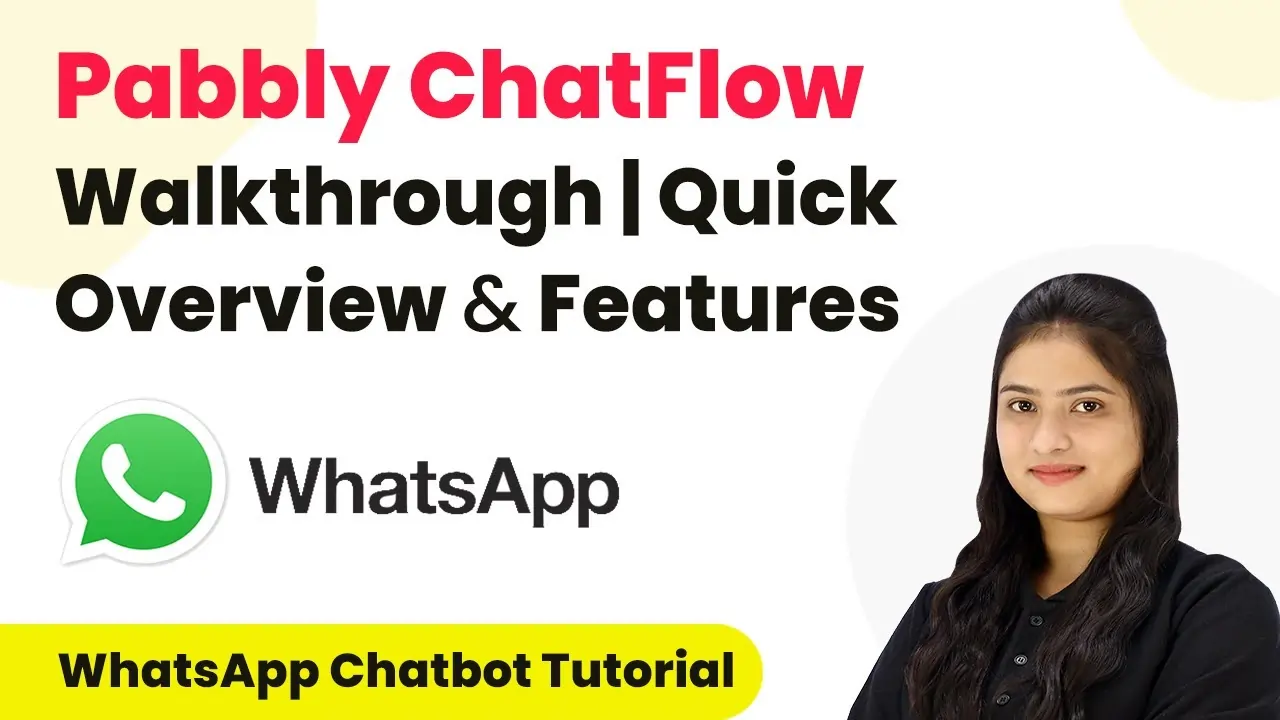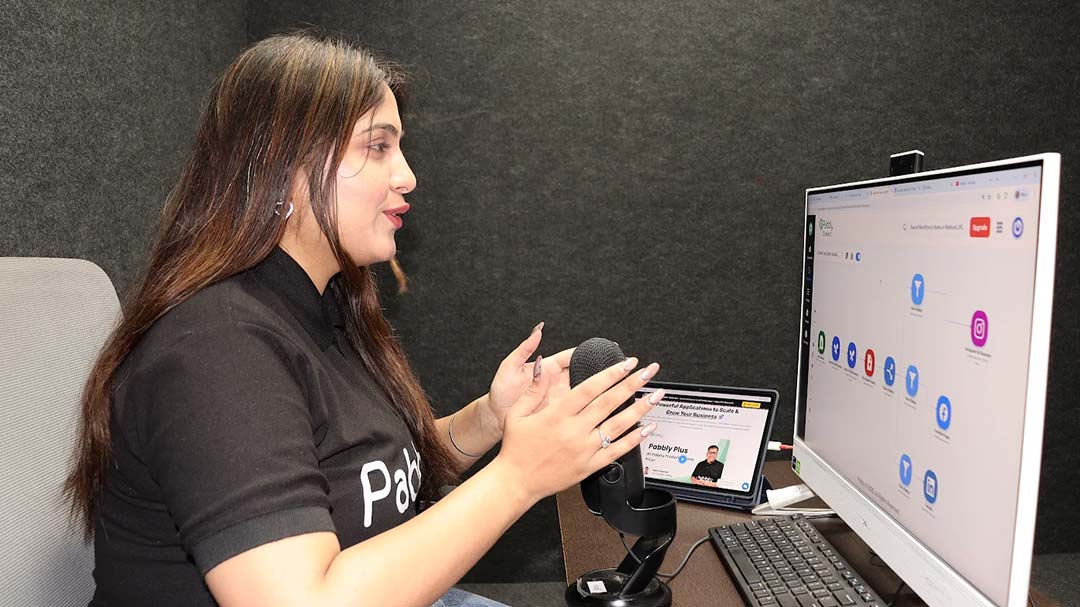

Learn how to set up WhatsApp Broadcast Automation using Pabbly Chatflow to send personalized messages to your contacts easily. Explore how leading businesses automate customer interactions with carefully designed chat sequences that feel natural and helpful.
Watch Step By Step Video Tutorial Below
1. Accessing Pabbly Chatflow for WhatsApp Automation
To start using Pabbly Chatflow for WhatsApp broadcast automation, you need to visit the Pabbly website. Simply search for Pabbly.com/chatflow in your browser. This will take you to the home page of Pabbly Chatflow.


Once there, you will see two options: ‘Sign In’ and ‘Sign Up Free’. If you are a new user, click on ‘Sign Up Free’ to create an account. For existing users, simply click on ‘Sign In’ to access your dashboard. This is where you can manage all your WhatsApp broadcasts.
2. Setting Up Your WhatsApp Number in Pabbly Chatflow
After logging into Pabbly Chatflow, you need to connect your WhatsApp number. Click on the ‘Add WhatsApp Number’ option. You will see two methods: WhatsApp Connect and Manual Token Connect.
- WhatsApp Connect: Use this for easy integration.
- Manual Token Connect: Ideal for those who prefer manual setup.
Choose the method that suits you best and follow the prompts to successfully connect your WhatsApp number to your Pabbly Chatflow account. This connection is essential for sending messages through the platform.
3. Creating a WhatsApp Template in Pabbly Chatflow
To send personalized messages, you must first create a WhatsApp template in Pabbly Chatflow. Navigate to the ‘Templates’ section from the left sidebar. Here, you can see existing templates or create a new one by clicking the ‘Add Template’ button.
When creating a template, ensure it is approved, as only approved templates can be used for sending messages. Fill in the necessary details like template name and message content, ensuring personalization options are included, such as customer names.
4. Setting Up WhatsApp Broadcast Automation
Once your template is ready, it’s time to set up the broadcast. In Pabbly Chatflow, go to the ‘Broadcast’ section and click on ‘Add Broadcast’. Select the type of broadcast you want to create and give it a name, such as ‘New Offer Message’.
You will then need to choose your contact list, which can be imported from Google Sheets or added manually. Make sure your contacts are formatted correctly for the broadcast to work seamlessly. After selecting the contacts, choose your message type, either pre-approved template or a regular message.
- Select the pre-approved template you created earlier.
- Customize the message with variables to personalize it for each recipient.
Lastly, you can choose to send the message immediately or schedule it for a later date. This feature allows for efficient planning of your communications through Pabbly Chatflow.
5. Testing Your WhatsApp Broadcast
Before finalizing your broadcast, it’s critical to test it. In Pabbly Chatflow, you can send a test message to your WhatsApp number. This ensures that everything is set up correctly and that the message appears as intended.
After sending the test, check your WhatsApp to confirm you received the message. Once confirmed, you can proceed with scheduling or sending your broadcast to all selected contacts. This step is crucial for ensuring your messages are delivered successfully.
Conclusion
In this tutorial, we covered how to automate WhatsApp broadcasts using Pabbly Chatflow. By following these steps, you can easily send personalized messages to your contacts, enhancing your business communication.
Ensure you check out Pabbly Connect to create business automation workflows and reduce manual tasks. Pabbly Connect currently offer integration with 2,000+ applications.
- Check out Pabbly Connect – Automate your business workflows effortlessly!
- Sign Up Free – Start your journey with ease!
- 10,000+ Video Tutorials – Learn step by step!
- Join Pabbly Facebook Group – Connect with 21,000+ like minded people!
Utilizing Pabbly Chatflow for WhatsApp broadcast automation not only saves time but also ensures that your messages reach your audience effectively.