
Integrating Elementor and Pluto with Pabbly Connect: A Step-by-Step Guide

Learn how to automate your Elementor form submissions to create contacts in Pluto using Pabbly Connect. Follow our detailed tutorial for seamless integration. Implement the precise methodologies leading organizations use to automate repetitive tasks, illustrated with practical examples designed for immediate application.

Watch Step By Step Video Tutorial Below


1. Accessing Pabbly Connect for Integration

To begin the integration process, access Pabbly Connect by navigating to its website. If you are a new user, click on the ‘Sign Up for Free’ button to create your account. Existing users can simply sign in.

Once logged in, you will be directed to the dashboard where you can create new workflows. Here’s how to get started:

  • Click on ‘Create Workflow’.
  • Name your workflow, e.g., ‘Create Pluto Person on Elementor Form Submission’.
  • Select a folder to save your workflow.

Now that you have set up your workflow, you are ready to connect Elementor and Pluto using Pabbly Connect.


2. Setting Up Elementor as Trigger in Pabbly Connect

In this section, you will configure Elementor as the trigger for your workflow in Pabbly Connect. Choose Elementor as the trigger application and select the event ‘New Form Submission’.

After selecting the trigger, Pabbly Connect will provide you with a webhook URL. This URL is essential for transferring data from Elementor to Pabbly Connect. Follow these steps:

  • Copy the webhook URL provided by Pabbly Connect.
  • Log into your Elementor account and create a form with custom fields.
  • In the form settings, go to ‘Actions After Submit’ and select ‘Webhook’. Paste the copied URL here.

Once the webhook is set up, your Elementor form will successfully send submissions to Pabbly Connect.


3. Testing Elementor Connection with Pabbly Connect

With your Elementor form configured, it’s time to test the connection to ensure data is being received by Pabbly Connect. Submit a test form with dummy data, including the custom fields you set up.

After submitting the form, return to Pabbly Connect. You should see the response captured in the dashboard, confirming that the integration is successful. The data will include:

Name of the person Email address Phone number Gender

This step ensures that whenever a new form is submitted via Elementor, the data will be sent to Pabbly Connect for further processing.


4. Creating a Contact in Pluto Using Pabbly Connect

Now that the connection between Elementor and Pabbly Connect is established, you can set up Pluto as the action application. Choose Pluto and select the action event ‘Create Person with Custom Fields’.

To connect Pluto with Pabbly Connect, you will need your Client ID, Client Secret, and Business Identifier. These can be found in your Pluto account under API settings. Follow these steps to complete the connection:

Enter your Business Identifier, which is your subdomain. Copy and paste your Client ID and Client Secret from Pluto. Click ‘Save’ to establish the connection.

Once connected, Pabbly Connect will allow you to map the data received from Elementor to create a new contact in Pluto.


5. Finalizing the Integration and Testing

With both Elementor and Pluto set up in Pabbly Connect, you can now finalize the integration. Map the fields from the Elementor response to the corresponding fields in Pluto, ensuring that all necessary information is included.

To test the integration, submit another form through Elementor. Check your Pluto account to confirm that the contact has been created with the correct details. This step validates that your workflow is functioning correctly:

Ensure the name, email, and gender are correctly mapped. Verify that the contact appears in your Pluto account. Repeat the test with different data to ensure reliability.

After validating the integration, you can confidently use Pabbly Connect to automate the process of adding new contacts from Elementor to Pluto.


Conclusion

This tutorial has detailed how to integrate Elementor with Pluto using Pabbly Connect. By following these steps, you can streamline your client registration process efficiently.

Ensure you check out Pabbly Connect to create business automation workflows and reduce manual tasks. Pabbly Connect currently offer integration with 2,000+ applications.

Integrating Razorpay Payments with Notion Using Pabbly Connect

Learn how to integrate Razorpay payments with Notion using Pabbly Connect in this step-by-step tutorial. Automate your payment details effortlessly! Follow this definitive guide to creating powerful automated workflows with straightforward, efficiency-focused solutions that save valuable time.

Watch Step By Step Video Tutorial Below


1. Accessing Pabbly Connect for Integration

To start integrating Razorpay with Notion, you need to access Pabbly Connect. Begin by visiting the Pabbly Connect website by typing ‘Pabbly.com/connect’ in your browser.

Once on the site, sign in or create a new account. If you are new, you can sign up for free, which provides you with 100 free tasks monthly. After signing in, navigate to the Pabbly Connect dashboard where you can create a new workflow.


2. Creating a New Workflow in Pabbly Connect

In your Pabbly Connect dashboard, click on ‘Create Workflow’ to start building your automation. You will be prompted to name the workflow, such as ‘Add New Razorpay Payment Details in Notion’.

After naming your workflow, select a folder for organization. You will now see two boxes: one for the trigger and one for the action. The trigger will be Razorpay, specifically the event ‘Payment Captured’, while the action will be Notion where the payment details will be logged.

  • Click on ‘Create’ to proceed to the trigger setup.
  • Choose Razorpay as the trigger application.
  • Set the trigger event to ‘Payment Captured’.

With the trigger set up, you will receive a webhook URL from Pabbly Connect which you will use to connect Razorpay to Pabbly.


3. Connecting Razorpay to Pabbly Connect

Next, you need to connect Razorpay to Pabbly Connect using the webhook URL. Navigate to your Razorpay dashboard, click on ‘Developers’, and then select ‘Webhooks’.

Click on ‘Add New Webhook’ and paste the webhook URL provided by Pabbly Connect into the Webhook URL field. For the event, select ‘Payment Captured’. After filling in the required fields, click ‘Create Webhook’ to save your settings.

  • Go back to Pabbly Connect and wait for the webhook response.
  • Perform a test payment in Razorpay to capture the data.
  • Check if the payment details appear in Pabbly Connect.

Once the test payment is successful, you will see the captured payment details in Pabbly Connect, confirming the connection is established.


4. Setting Up the Action in Notion

After capturing the payment details from Razorpay, it’s time to set up the action in Notion using Pabbly Connect. Choose Notion as the action application and select ‘Create Database Item’ as the action event.

Connect your Notion account to Pabbly Connect by selecting the appropriate page where you want to store the payment details. Make sure to allow access for Pabbly Connect to your Notion account.

Map the fields from Razorpay to the corresponding fields in Notion. Enter details like name, email, and phone number using the mapping feature. Click ‘Save and Send Test Request’ to verify the action.

Upon successful execution, you will see the payment details added to your Notion database, confirming that Pabbly Connect has successfully automated the process.


5. Testing the Automation for Accuracy

To ensure that your automation works perfectly, test the payment process again. Go back to Razorpay and perform another test payment for the same product.

After completing the payment, check your Notion database to confirm that the new details have been added. This step validates that the integration via Pabbly Connect is functioning correctly.

Make sure to enter different user details to see the changes. Verify that each payment reflects accurately in Notion. Repeat testing to ensure consistency in data logging.

Once confirmed, you can rely on this automation for your educational business, ensuring that every payment is recorded seamlessly through Pabbly Connect.


Conclusion

In this tutorial, we explored how to integrate Razorpay payments with Notion using Pabbly Connect. By following these steps, you can automate the logging of payment details efficiently. This integration streamlines your workflow and enhances productivity, allowing you to focus on your business growth.

Ensure you check out Pabbly Connect to create business automation workflows and reduce manual tasks. Pabbly Connect currently offer integration with 2,000+ applications.

Integrating Google Sheets and Runo Using Pabbly Connect

Learn how to automate lead allocation from Google Sheets to Runo using Pabbly Connect in this step-by-step guide. Transform complex automation concepts into accessible, actionable steps that eliminate unnecessary manual work while maximizing existing application capabilities.

Watch Step By Step Video Tutorial Below


Accessing Pabbly Connect for Integration

To begin using Pabbly Connect, first open your web browser and search for Pabbly Connect. This platform is essential for integrating Google Sheets with Runo, enabling seamless automation of lead allocation.

After navigating to the Pabbly Connect website, you will see options to sign in or sign up. If you don’t have an account, click on ‘Sign up for free.’ This process is quick and will provide you with 100 free tasks each month.


Creating a Workflow in Pabbly Connect

Once signed into Pabbly Connect, click on the ‘Create Workflow’ button to initiate the process. Name your workflow, such as ‘Runo Allocation from Google Sheets,’ and select the appropriate folder for organization.

In the workflow setup, you will see two sections: Trigger and Action. The Trigger is the event that starts the automation, while Action is what happens as a result. For this integration, you will set Google Sheets as the Trigger application.

  • Select Google Sheets as your Trigger application.
  • Choose the trigger event as ‘New or Updated Spreadsheet Row.’
  • Use the provided webhook URL to connect Google Sheets with Pabbly Connect.

After setting up the Trigger, you can proceed to the Action step, which will be Runo. This is where the lead will be allocated automatically based on the new row added in Google Sheets.


Connecting Google Sheets to Pabbly Connect

In your Google Sheets document, you need to connect it with Pabbly Connect. This is done by using the Pabbly Connect Vook extension. If you haven’t installed this extension yet, go to ‘Add-ons’ and search for Pabbly Connect Vooks in the Google Workspace Marketplace.

Once installed, refresh your spreadsheet and navigate back to the ‘Extensions’ menu. Select the Pabbly Connect Vooks extension and open the initial setup. Here, paste the webhook URL you copied earlier from Pabbly Connect.

  • Specify the trigger column, which is the final data column where new lead details will be added.
  • Fill in your trigger column (e.g., Column G) to ensure that data is sent to Pabbly Connect.

After configuring the trigger column, test the setup by sending test data to ensure everything is working correctly. Once confirmed, submit the setup.


Setting Up the Action in Pabbly Connect

Now that Google Sheets is connected, you can set up the Action step in Pabbly Connect. Search for Runo as your Action application and select it. The Action event will be ‘Create Allocation,’ which allows you to allocate leads automatically.

To connect Runo with Pabbly Connect, you need an API key. Log into your Runo account, navigate to the admin web portal, and go to API configuration to generate a new API key. Copy this key and return to Pabbly Connect to paste it into the API key field.

Map the lead details from Google Sheets to the corresponding fields in Runo. Ensure to include all necessary fields such as lead name, phone number, email, and assign details.

After mapping all fields, save the setup. This will ensure that every new lead added to Google Sheets will be automatically allocated to the specified team member in Runo.


Testing the Integration

To verify that the integration between Google Sheets and Runo via Pabbly Connect is functioning correctly, add a new lead entry in your Google Sheets. Include all relevant details such as lead name, phone number, email, and the assigned team member’s information.

Once the new row is added, Pabbly Connect will automatically send this data to Runo, creating a new allocation. You can check back in Runo to confirm that the lead has been allocated to the correct team member.

Navigate to the allocations section in Runo to see the newly added lead. Verify that all details match those entered in Google Sheets.

This testing will confirm that your automation setup is working efficiently, allowing you to focus on closing deals rather than managing allocations manually.


Conclusion

In this tutorial, we explored how to use Pabbly Connect to automate lead allocation from Google Sheets to Runo. By following the detailed steps, you can streamline your workflow and ensure timely responses to leads.

Ensure you check out Pabbly Connect to create business automation workflows and reduce manual tasks. Pabbly Connect currently offer integration with 2,000+ applications.

Automating this process not only saves time but also reduces the risk of errors, allowing your team to focus on what they do best—providing excellent customer service and closing deals. Start integrating with Pabbly Connect today for better efficiency!

Integrate Google Sheets with MemberPress Using Pabbly Connect: A Step-by-Step Guide

Learn how to automate the creation of MemberPress members from Google Sheets using Pabbly Connect. This tutorial covers all steps in detail. This comprehensive guide reveals exactly how to connect your applications and automate repetitive tasks — accessible for professionals of all technical backgrounds.

Watch Step By Step Video Tutorial Below


1. Accessing Pabbly Connect for Automation

To start automating the process of creating members in MemberPress, first access Pabbly Connect. This platform allows you to connect various applications seamlessly, making automation easy.

Visit the Pabbly Connect homepage and sign up for a free account. If you already have an account, simply sign in. After logging in, you will be directed to the dashboard where you can create your first workflow.


2. Creating a Workflow in Pabbly Connect

Creating a workflow is essential for integrating Google Sheets with MemberPress using Pabbly Connect. Click on the ‘Create Workflow’ button located at the top right corner of the dashboard.

  • Name your workflow, for example, ‘Create MemberPress Member from Google Sheets Row’.
  • Select the folder for your workflow, which can be customized based on your needs.
  • Click on the ‘Create’ button to finalize your workflow setup.

With the workflow created, you can now set up the trigger and action needed for automation.


3. Setting Up Trigger Using Google Sheets

The next step involves setting up a trigger in Pabbly Connect using Google Sheets. Select Google Sheets as your trigger application and choose the event ‘New or Updated Spreadsheet Row’.

After selecting the trigger event, you will receive a webhook URL. Copy this URL to connect your Google Sheets with Pabbly Connect. Ensure you have a Google Sheets document ready to receive data.

  • Install the ‘Pabbly Connect Webhooks’ add-on from the Google Workspace Marketplace.
  • Set up the webhook URL in the add-on’s initial setup, specifying the trigger column for data.
  • Turn on the ‘Send on Event’ option to ensure data is sent automatically when a new row is added.

After setting up the trigger, you can proceed to test the connection by adding a new row in your Google Sheets.


4. Action Step in MemberPress with Pabbly Connect

Now, it’s time to set up the action step in Pabbly Connect using MemberPress. Select MemberPress as your action application and choose the event ‘Create a Member’.

Next, connect your MemberPress account by entering the API key and site URL. You can find the API key in your WordPress dashboard under the MemberPress settings. Make sure to enter the correct site URL without including any admin paths.

Map the data from the Google Sheets trigger to the MemberPress action fields. Make sure to use the email address as the username for the new member. Select options for sending welcome emails based on your preference.

Once the action step is configured, you can save the settings and test the integration to ensure everything works as expected.


5. Testing the Integration Between Google Sheets and MemberPress

After configuring both the trigger and action steps in Pabbly Connect, it’s crucial to test the integration. To do this, add a new row in your Google Sheets with the required member details.

Once the new row is added, check your MemberPress account to verify that the new member has been created successfully. This will confirm that the automation is functioning as intended.

Ensure that all required fields in MemberPress are filled correctly from the Google Sheets data. Check for any errors in Pabbly Connect if the member is not created. Repeat the process with different data to ensure reliability.

With successful testing, you can now enjoy the benefits of automated member creation, saving time and reducing manual entry errors.


Conclusion

Using Pabbly Connect, you can seamlessly automate the process of creating members in MemberPress from Google Sheets. This integration not only saves time but also enhances accuracy in managing member data. Start using Pabbly Connect today to streamline your workflows.

Ensure you check out Pabbly Connect to create business automation workflows and reduce manual tasks. Pabbly Connect currently offer integration with 2,000+ applications.

Integrating Google with Pabbly Connect: A Step-by-Step Guide

Learn how to integrate Google with Pabbly Connect to automate your workflows effectively. Follow this detailed tutorial for a seamless setup. Explore efficient methods for automating routine tasks with clear, concise instructions suited for both newcomers and experienced professionals.

Watch Step By Step Video Tutorial Below


1. Setting Up Pabbly Connect for Google Integration

To integrate Google with Pabbly Connect, you first need to set up your Pabbly Connect account. Start by visiting the Pabbly Connect website, where you can sign in or create a new account.

Once logged in, navigate to the dashboard. Here, you will see all your workflows. Click on the option to create a new workflow, which will allow you to set up the automation between Google and your desired application.


2. Selecting Google Sheets as Your Trigger Application

In this section, we will use Google Sheets as our trigger application. Whenever a new row is added in Google Sheets, it will trigger an action in Pabbly Connect. This is a crucial step in automating your workflow.

To set this up, select Google Sheets from the application list in your Pabbly Connect dashboard. You will then need to specify the trigger event, which in this case is ‘New Row’. This means that every time a new row is added to your Google Sheets, the automation will be activated.

  • Select the Google Sheets application.
  • Choose the trigger event as ‘New Row’.
  • Connect your Google account to Pabbly Connect.

After connecting your Google account, you will be prompted to select the specific Google Sheet you want to monitor. This setup ensures that Pabbly Connect can track new entries accurately.


3. Configuring the Webhook in Google Sheets

The next step involves configuring a webhook in your Google Sheets. A webhook allows Pabbly Connect to receive data from Google Sheets when a new row is added. This is essential for the data transfer process. using Pabbly Connect

To set up the webhook, go back to your Google Sheet, click on ‘Extensions’, then ‘Add-ons’, and select ‘Get Add-ons’. Search for the Pabbly Connect Webhook add-on and install it. After installation, you will need to configure it by entering the webhook URL provided by Pabbly Connect.

  • Open Google Sheets and navigate to Extensions.
  • Install the Pabbly Connect Webhook add-on.
  • Enter the webhook URL in the configuration settings.

Once the webhook is set up, ensure you test it to confirm it is working correctly. This will help in validating that data from Google Sheets is being sent to Pabbly Connect as intended.


4. Creating a Lead in Google Using Pabbly Connect

After setting up the trigger and webhook, the next step is to create a lead in Google. This action will be triggered every time a new row is added to your Google Sheet. For this, you will need to select the action application in Pabbly Connect. using Pabbly Connect

Choose the application where you want to create the lead. This could be Google Contacts or any other CRM integrated with Google. Set the action event to create a new lead, and map the fields from your Google Sheet to the corresponding fields in the lead creation form.

Select the action application for lead creation. Map the fields from Google Sheets to the lead form. Test the action to ensure leads are created successfully.

Testing this step is crucial to ensure that the integration between Google and Pabbly Connect is functioning properly. Once confirmed, you can save the workflow and activate it.


Conclusion: Automating Google with Pabbly Connect

Integrating Google with Pabbly Connect allows for seamless automation of your workflows. By following the steps outlined above, you can effectively set up Google Sheets to create leads automatically. This integration enhances productivity and ensures you never miss capturing important data.

Thanks for following along with this tutorial! Remember to subscribe to the channel for more helpful content like this.

If you found this guide useful, please consider giving it a thumbs up and sharing it with others who might benefit from it.

Utilizing Pabbly Connect for Google integration streamlines your processes, making it easier to manage customer details efficiently. Start automating today for better workflow management!

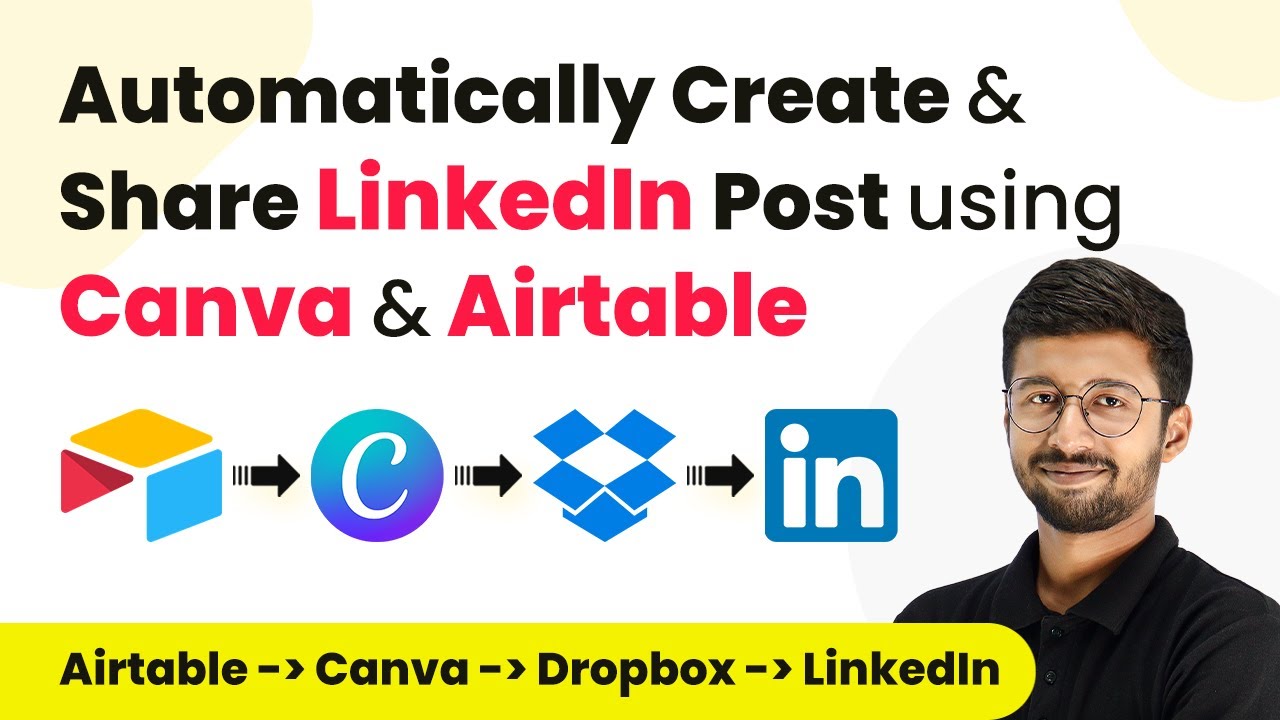
Automate LinkedIn Posts with Pabbly Connect: A Step-by-Step Guide

Learn how to automate LinkedIn posts using Pabbly Connect with Canva, Dropbox, and Airtable. Follow this detailed guide for seamless integration. Eliminate manual repetitive tasks from your workflow. Discover proven automation methods with intuitive steps designed for efficiency-minded professionals.

Watch Step By Step Video Tutorial Below


1. Accessing Pabbly Connect for Automation

To start the automation process, you need to access Pabbly Connect. Open your browser and navigate to the Pabbly Connect website. If you don’t have an account, click on the ‘Sign Up Free’ button to create one. Existing users can simply sign in to their accounts.

Once logged in, you will be directed to the Pabbly Connect dashboard. Here, you can create your automation workflow by clicking on the ‘Create Workflow’ button. Name your workflow something descriptive, like ‘Airtable to Canva to Dropbox to LinkedIn’. This will help you identify it later.


2. Setting Up the Trigger with Airtable

The first step in your automation is to set up a trigger using Airtable. In the trigger window of Pabbly Connect, select Airtable as the app. Then, choose the trigger event as ‘New Record’. This means that every time a new record is added to your Airtable base, the automation will start.

  • Select your Airtable account and connect it with Pabbly Connect.
  • Choose the base where your LinkedIn post details are stored.
  • Select the specific table that contains your LinkedIn post information.

After configuring these settings, click on the ‘Save and Send Test Request’ button. This will allow Pabbly Connect to fetch the latest record from Airtable. Ensure that you have a field named ‘Created’ set to ‘Created Time’ in your Airtable for this to work correctly.


3. Integrating Canva to Create Dynamic Posts

Next, you need to integrate Canva to create dynamic posts using the data fetched from Airtable. In the action step of Pabbly Connect, search for Canva and select it. Choose the action event ‘Create Design Autofill Job’. This action will create a new design based on the template you’ve set up in Canva.

Connect your Canva account by clicking on the ‘Connect with Canva’ button. You will need to enter your client ID and secret, which can be generated from the Canva developer portal. After establishing the connection, select the brand template you created for LinkedIn posts.

  • Map the fields from Airtable to the corresponding fields in your Canva template.
  • Make sure to set the title of the post to the author’s name from Airtable.
  • Select the dynamic text variables for the quote and author in your Canva design.

Once you’ve mapped all necessary fields, click on ‘Save and Send Test Request’ to create a new post in Canva. You should receive a response confirming that the post has been created successfully.


4. Saving the Image to Dropbox

The next step is to save the generated post image to your Dropbox account. In the action step of Pabbly Connect, select Canva again and choose the action event ‘Download Design as Image’. This action will allow you to export the created design as a JPG file.

Connect to your existing Canva connection and map the design ID from the previous step. Set the quality to 100 for the highest resolution and specify the dimensions for your image. After setting these parameters, click on ‘Save and Send Test Request’.

Add a delay of 1 minute to allow Canva to process the image download. Create another action step using Dropbox, selecting the action event ‘Upload a File’. Map the image URL received from Canva to the Dropbox action.

After completing these steps, click on ‘Save and Send Test Request’ to upload the image to Dropbox. You should receive a confirmation response showing that the image has been successfully saved.


5. Scheduling the Post on LinkedIn

Finally, you will set up the automation to post on LinkedIn at the scheduled time. In the last action step of Pabbly Connect, select LinkedIn and choose the action event ‘Share Text with Image’. This action will allow you to share the created image and the caption on your LinkedIn profile.

Connect your LinkedIn account and map the image URL from Dropbox to the LinkedIn action. Additionally, map the caption you want to share from Airtable. Before finalizing, set the visibility of the post to Pabbly.

Click on ‘Save and Send Test Request’ to confirm the posting action. Ensure that all fields are correctly mapped to avoid any errors. Once confirmed, your LinkedIn post will be scheduled for the specified time.

After setting everything up, you can test your automation by adding a new record in Airtable and waiting for the scheduled time. If everything is set correctly, your post will automatically be created in Canva, saved to Dropbox, and published on LinkedIn.


Conclusion

This tutorial demonstrates how to automate LinkedIn posts using Pabbly Connect. By integrating Airtable, Canva, and Dropbox, you can streamline your content creation and sharing process efficiently. Enjoy the benefits of automation and save time on your social media management!

Ensure you check out Pabbly Connect to create business automation workflows and reduce manual tasks. Pabbly Connect currently offer integration with 2,000+ applications.

Integrate Google Sheets with ActiveTrail Using Pabbly Connect

Learn how to integrate Google Sheets with ActiveTrail using Pabbly Connect for seamless automation of new leads. Step-by-step guide included. Develop expertise in application integration and learn how to design streamlined automation workflows using proven, simplified approaches.

Watch Step By Step Video Tutorial Below


1. Accessing Pabbly Connect for Integration

To integrate Google Sheets with ActiveTrail, start by accessing Pabbly Connect. This platform allows you to automate tasks between your applications seamlessly.

Visit the Pabbly Connect homepage and sign up for a free account. Existing users can sign in to access their dashboard. Once logged in, you can create workflows that automate your processes.


2. Creating a Workflow in Pabbly Connect

After accessing Pabbly Connect, the next step is to create a new workflow. Click on the ‘Create Workflow’ button located at the top right corner of the dashboard. Name your workflow appropriately, such as ‘Create ActiveTrail Contact from Google Sheets’.

  • Click on the ‘Create’ button to proceed.
  • Select Google Sheets as the trigger application.
  • Choose the trigger event as ‘New or Updated Spreadsheet Row’.

With these steps, you have set up the trigger that will initiate the automation whenever a new row is added to your Google Sheets.


3. Connecting Google Sheets to Pabbly Connect

To connect Google Sheets with Pabbly Connect, you need a webhook URL. After setting up your trigger, a webhook URL will be generated. Copy this URL and go to your Google Sheets.

In Google Sheets, navigate to ‘Extensions’, then ‘Add-ons’, and select ‘Get Add-ons’. Search for the Pabbly Connect Webhooks add-on and install it. After installation, refresh your Google Sheets to see the new options under Extensions.

  • Click on ‘Pabbly Connect Webhooks’ and select ‘Initial Setup’.
  • Paste the copied webhook URL and set the trigger column as the final data column.
  • Submit the settings to configure the webhook successfully.

This setup allows Google Sheets to send data to Pabbly Connect whenever a new detail is added, ensuring a seamless flow of information.


4. Integrating ActiveTrail with Pabbly Connect

With Google Sheets connected, the next step is to integrate ActiveTrail using Pabbly Connect. Set the action application to ActiveTrail and select the action event as ‘Create a Contact’. This will ensure that every new entry in Google Sheets creates a new contact in ActiveTrail.

To connect ActiveTrail, you need to enter your API key. Log into your ActiveTrail account, navigate to ‘Integrations’, and generate a new API key. Copy this key and return to Pabbly Connect to enter it in the connection setup.

Map the fields from Google Sheets to ActiveTrail, such as email, first name, and last name. Click on ‘Save and Send Test Request’ to verify the setup. Check ActiveTrail to confirm the new contact has been created.

This integration allows for automated contact creation in ActiveTrail, enhancing your lead management process.


5. Testing Your Automation

After setting up the integration between Google Sheets and ActiveTrail through Pabbly Connect, it’s crucial to test the automation. Add a new row in your Google Sheets with dummy data, ensuring all required fields are filled out.

Once the new data is entered, check your ActiveTrail account to see if the contact was created successfully. This confirms that the automation is working as intended and that new leads are being captured automatically.

Enter a new lead’s details in Google Sheets. Refresh ActiveTrail to verify the new contact. Ensure all mapped fields are correctly populated.

With successful testing, you can be confident in your automated lead management system using Pabbly Connect.


Conclusion

This tutorial demonstrated how to integrate Google Sheets with ActiveTrail using Pabbly Connect. By automating the process of creating contacts from new leads, you can streamline your operations and enhance customer engagement.

Ensure you check out Pabbly Connect to create business automation workflows and reduce manual tasks. Pabbly Connect currently offer integration with 2,000+ applications.

Automate Facebook Pages Using Pabbly Connect: A Step-by-Step Guide

Learn how to automate Facebook pages using Pabbly Connect. This detailed tutorial covers integration with various applications for efficient social media management. Explore efficient methods for automating routine tasks with clear, concise instructions suited for both newcomers and experienced professionals.

Watch Step By Step Video Tutorial Below


1. Accessing Pabbly Connect for Facebook Automation

To automate Facebook pages, you first need to access Pabbly Connect. Start by visiting the Pabbly Connect homepage at Pabbly.com/connect. Here, you have options to sign in or sign up for a free account.

If you are a new user, click on the ‘Sign up for free’ button. This process takes only a couple of minutes and provides you with 100 free tasks per month. After signing in, you will reach the dashboard where you can create workflows to connect your applications.


2. Creating a Workflow in Pabbly Connect

To create a new workflow in Pabbly Connect, click on the ‘Create Workflow’ button on your dashboard. A dialog box will prompt you to name your workflow. For example, name it ‘Automate Facebook Pages Using Pabbly Connect’ and select a folder to save it in.

  • Click on ‘Create’ to initiate the workflow.
  • You will see two sections: Trigger and Action.
  • Select Facebook Pages as the trigger application.

After setting the name and folder, click on ‘Create’. You will then see the ‘Trigger’ and ‘Action’ sections. This is where you will define the events that will automate your Facebook page management.


3. Setting Up Trigger for Facebook Pages

In this step, you will configure the trigger for your Facebook page in Pabbly Connect. Choose Facebook Pages as your trigger application and select the event type, such as ‘New Comment’. This event will activate the workflow when a new comment is made on your Facebook post.

After selecting the trigger event, click on ‘Connect’. You will need to authenticate your Facebook account by clicking ‘Add New Connection’. Once connected, select the specific Facebook page you want to automate.

  • Choose the Facebook page from the dropdown menu.
  • Enable the toggle to capture responses.
  • Click ‘Save and Send Test Request’ to test the connection.

Once the connection is successful, any new comment on your Facebook page will be captured by Pabbly Connect. This allows you to automate responses or log comments in other applications.


4. Setting Up Action to Log Comments in Google Sheets

Now that you have set up the trigger, it’s time to configure the action in Pabbly Connect. For this example, choose Google Sheets as your action application. The action event should be set to ‘Create Spreadsheet Row’. This will allow you to log the comments received from Facebook.

Connect your Google Sheets account by clicking ‘Connect’ and selecting the appropriate account. Once connected, map the fields from the Facebook comments to your Google Sheets columns, such as user ID, comment text, and timestamp.

Map user details from the Facebook comment to the corresponding columns in Google Sheets. Ensure all necessary fields are filled out correctly. Click ‘Save and Send Test Request’ to verify the setup.

This action will automatically log each new comment into your Google Sheets, making it easier to track engagement and manage customer interactions through Pabbly Connect.


5. Sharing WordPress Blogs to Facebook Pages

In addition to logging comments, Pabbly Connect can also help share your WordPress blog posts directly to your Facebook page. Set up WordPress as a trigger application in a new workflow and select ‘New Post’ as the trigger event.

After connecting your WordPress account, configure the action to be Facebook Pages with the event ‘Create Page Post’. Map the blog title and URL to the post content that will be shared on your Facebook page.

Map the blog title to the message field in the Facebook post. Insert the blog URL as a link in the post. Click ‘Save and Send Test Request’ to ensure the post is shared successfully.

This integration allows you to promote your blog content seamlessly, enhancing your social media presence through Pabbly Connect.


Conclusion

Automating Facebook pages using Pabbly Connect streamlines your social media management. By integrating various applications like Google Sheets and WordPress, you can save time and enhance engagement with your audience.

Ensure you check out Pabbly Connect to create business automation workflows and reduce manual tasks. Pabbly Connect currently offer integration with 2,000+ applications.

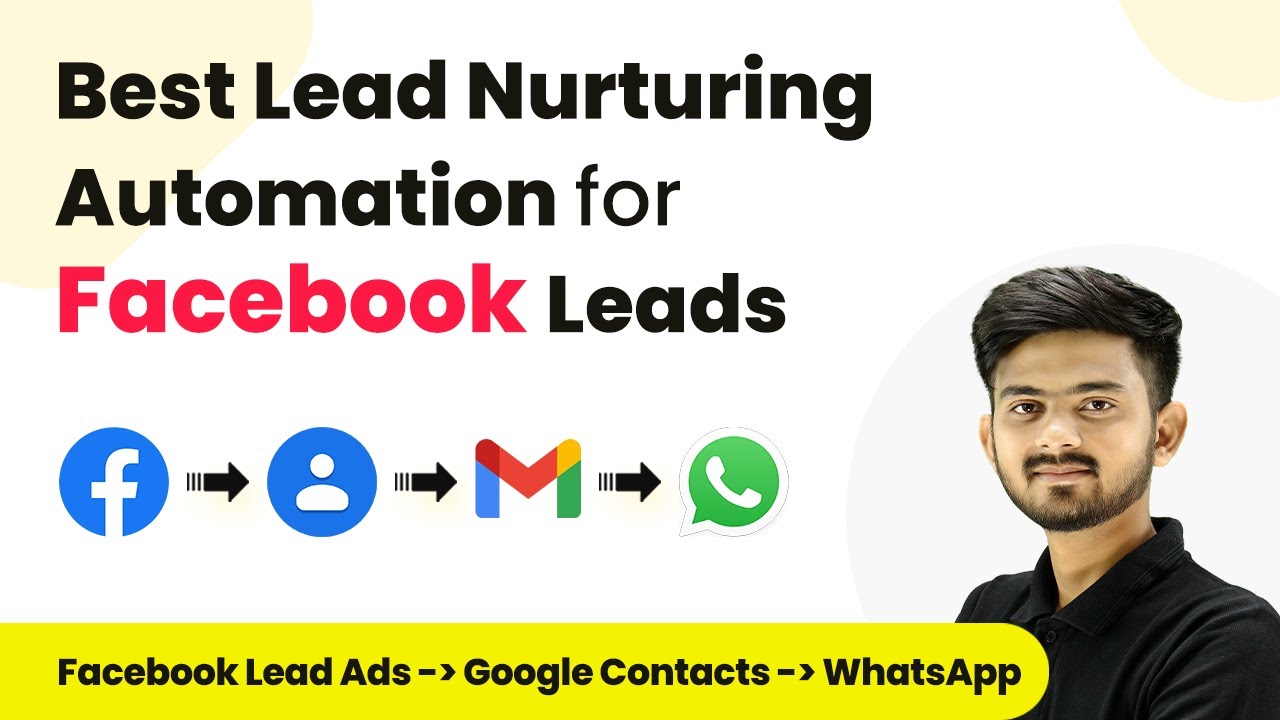
Best Lead Nurturing Automation for Facebook Leads Using Pabbly Connect

Learn how to automate lead nurturing for Facebook leads using Pabbly Connect. This detailed tutorial guides you through integrating Google Contacts, Gmail, and WhatsApp Cloud API.

Watch Step By Step Video Tutorial Below


1. Accessing Pabbly Connect for Automation

To start automating lead nurturing for Facebook leads, first access Pabbly Connect. This platform allows seamless integration between various applications like Google Contacts, Gmail, and WhatsApp Cloud API.

Begin by opening a new tab and searching for Pabbly Connect. Once on the landing page, you can either sign in or sign up for free. Signing up takes just two minutes and provides 100 free tasks monthly. After logging in, click the button for Pabbly Connect to enter the dashboard.


2. Creating a Workflow in Pabbly Connect

In this step, you will create a workflow that automates lead nurturing. Click the Pabbly Connect dashboard’s ‘Create Workflow’ button. Name your workflow, such as ‘Best Lead Nurturing Automation for Facebook Leads,’ and select a folder for organization.

  • Click on ‘Create’ to initiate your workflow.
  • Set up a trigger and action within your workflow.
  • Ensure to select the correct applications for each step.

After naming your workflow, you will see two main boxes: trigger and action. The trigger indicates an event that starts the workflow, while the action defines what happens next. This setup is crucial for integrating Facebook lead ads with other applications using Pabbly Connect.


3. Setting Up the Trigger with Facebook Lead Ads

To set up the trigger, search for ‘Facebook Lead Ads’ in the trigger application. Select it and choose the trigger event as ‘New Lead Instant.’ This allows Pabbly Connect to capture new leads from your Facebook ads.

Next, connect your Facebook account by clicking ‘Connect’ and then ‘Add New Connection.’ After granting access, select your Facebook page and lead generation form. Make sure the lead generation form is live before testing the connection.

  • Click on ‘Save and Send Test Request’ to check if the connection is successful.
  • Ensure to fill out a sample submission to generate a lead response.
  • Confirm that the sample submission is reflected in Pabbly Connect.

Once the test is successful, you will have the lead details ready to be used in subsequent actions, allowing for effective lead nurturing through Pabbly Connect.


4. Creating a Contact in Google Contacts

The next step involves creating a new contact in Google Contacts using the lead information captured by Pabbly Connect. Select ‘Google Contacts’ as your action application and set the action event to ‘Create Contact.’ This will allow you to store lead information efficiently.

Connect your Google account by clicking ‘Connect’ and then ‘Add New Connection.’ After granting access, map the lead details such as first name, last name, email, and phone number from the Facebook lead ads response. You will need to split the full name into first and last names using the text formatter by Pabbly Connect.

Use the text formatter to split the name and map the details accordingly. Ensure all required fields are filled before saving the contact. Click on ‘Save and Send Test Request’ to create the contact.

Upon successful creation, you will see the new contact listed in Google Contacts, confirming that Pabbly Connect has effectively integrated your lead data into your contact management system.


5. Sending Emails and WhatsApp Messages Using Pabbly Connect

Now that the contact has been created, the next action is to send a personalized email using Gmail and a WhatsApp message via WhatsApp Cloud API. Begin by selecting Gmail as your action application and set the action event to ‘Send Email.’

Connect your Gmail account, then fill in the recipient’s email address, sender name, and email content. Ensure to map the lead’s email and name into the email content for personalization. After configuring the email, click on ‘Save and Send Test Request’ to send the email.

Use the WhatsApp Cloud API as the next action application. Set the action event to ‘Send Template Message’ for WhatsApp. Map the lead’s phone number and select the appropriate template for the message.

Once both actions are configured, you will have successfully automated the entire lead nurturing process using Pabbly Connect, ensuring timely communication with your leads through email and WhatsApp.


Conclusion

This tutorial demonstrated how to utilize Pabbly Connect for effective lead nurturing automation from Facebook leads. By integrating Google Contacts, Gmail, and WhatsApp Cloud API, you can ensure seamless communication and management of your leads.

Ensure you check out Pabbly Connect to create business automation workflows and reduce manual tasks. Pabbly Connect currently offer integration with 2,000+ applications.

Automate Your Email Responses with Pabbly Connect: A Step-by-Step Guide

Learn how to automate email responses for Facebook leads using Pabbly Connect. This tutorial covers the integration process with Gmail and Facebook Lead Ads. Explore efficient methods for automating routine tasks with clear, concise instructions suited for both newcomers and experienced professionals.

Watch Step By Step Video Tutorial Below


1. Accessing Pabbly Connect for Automation

To start the integration process, access Pabbly Connect by visiting its official website. Once there, sign in to your existing account or create a new one if you’re a first-time user. Pabbly Connect provides a seamless interface for automating tasks between different applications.

After signing in, you will see the Pabbly dashboard. Click on the ‘Access Now’ button under the Pabbly Connect application. This will direct you to the main dashboard where you can create your automation workflows.


2. Creating a Workflow in Pabbly Connect

In this section, we will create a workflow in Pabbly Connect to automate email responses. Click on the ‘Create Workflow’ button located at the top right corner of the dashboard. A dialog box will appear, prompting you to name your workflow and select a folder for organization.

  • Name your workflow: ‘Automatically Send Emails to Facebook Leads Based on Response’.
  • Select a folder, for example, ‘Facebook Lead Ads Automations’.

After naming your workflow and selecting the folder, click on the ‘Create’ button. This will set up your workflow, and you will see options for setting up triggers and actions within Pabbly Connect.


3. Setting Up Trigger with Facebook Lead Ads

The next step involves setting up the trigger for your workflow using Pabbly Connect. Select ‘Facebook Lead Ads’ as your trigger application. For the trigger event, choose ‘New Lead Instant’ to capture new leads generated through Facebook.

Once selected, click on the ‘Connect’ button to link your Facebook account with Pabbly Connect. Ensure you are logged into your Facebook account in a separate tab to allow for a smooth connection process. After establishing the connection, select your Facebook page and the lead generation form you created.


4. Testing the Integration in Pabbly Connect

After setting up the trigger, it’s essential to test the integration using Pabbly Connect. Generate a test lead using the Meta Lead Ads Testing Tool. Select your Facebook page and lead form, then submit a test lead with specific details.

  • Select skin type (e.g., oily, dry, combination).
  • Fill in the lead’s first name, last name, email, and phone number.

Once the test lead is submitted, check your workflow in Pabbly Connect to confirm that it captured the lead’s response correctly. This step ensures that your integration is functioning as intended before moving on to the next steps.


5. Setting Up Action to Send Emails via Gmail

Now that the trigger is set, the next step involves setting up the action in Pabbly Connect to send emails through Gmail. Choose ‘Gmail’ as your action application and select the action event ‘Send Email’. This allows you to configure how the emails will be sent based on the lead’s response.

Connect your Gmail account by clicking on the ‘Connect’ button and authorizing the connection. Next, you will need to map the recipient’s email address from the previous step, ensuring that the email is sent to the correct lead. Fill in the email subject and content, personalizing it based on the skin type selected by the lead.

After configuring the email settings, click on the ‘Save and Send Test Request’ button to verify that the email is sent successfully. Check your Gmail account to confirm receipt of the email, ensuring that the integration works seamlessly as intended.


Conclusion

This tutorial demonstrates how to automate email responses for Facebook leads using Pabbly Connect. By following these steps, you can streamline your communication process and enhance customer engagement with personalized emails.

Ensure you check out Pabbly Connect to create business automation workflows and reduce manual tasks. Pabbly Connect currently offer integration with 2,000+ applications.