How to Send Welcome Messages to New Slack Users Using Pabbly Connect

Learn how to send automatic welcome messages to new Slack users using Pabbly Connect. Step-by-step tutorial for seamless integration. Discover how to seamlessly connect your essential tools through accessible instructions that make powerful automation available to professionals at every skill level.

Watch Step By Step Video Tutorial Below


1. Accessing Pabbly Connect for Slack Automation

To send a welcome message to a new Slack user, you first need to access Pabbly Connect. Start by visiting the Pabbly Connect website. If you are a new user, you can sign up for free and get 100 free tasks every month.

After signing in, navigate to the Pabbly Connect dashboard. Here, you will see multiple applications. Click on the ‘Access Now’ button for Pabbly Connect. This action will take you to the main dashboard where you can create your automation workflow.


2. Creating a Workflow in Pabbly Connect

Once you are in the Pabbly Connect dashboard, click on the ‘Create Workflow’ button. You will be prompted to name your workflow. For this tutorial, name it ‘Send Welcome Message to New Slack User’. using Pabbly Connect

  • Select a folder to save your workflow. Choose the folder named ‘Slack Automations’.
  • Click on the ‘Create’ button to finalize the workflow setup.

Your workflow is now created. You will see two sections labeled ‘Trigger’ and ‘Action’. The trigger will capture the event of a new user being added to Slack, while the action will send a welcome message to that user.


3. Setting Up the Trigger in Pabbly Connect

For the trigger step, select Slack as your trigger application. Then, choose the trigger event as ‘New User’. This setup ensures that whenever a new user is added to your Slack channel, Pabbly Connect captures this event.

Since Slack operates on a polling basis, it will check for new users every 10 minutes. Click on ‘Connect’ to link your Slack account with Pabbly Connect. You will need to authorize the connection by selecting your token type and clicking ‘Allow’.

  • Select ‘User’ as the token type.
  • Save and send a test request to ensure the connection is successful.

After saving, you should see the details of the new user captured in Pabbly Connect. This confirms that the trigger setup is complete and ready to proceed to the action step.


4. Configuring the Action Step in Pabbly Connect

For the action step, select ‘Filter by Pabbly’ to ensure that the workflow only continues when the new user confirms their email. This is crucial because Slack sends an invitation to the new user via Gmail. using Pabbly Connect

In the filter settings, choose the ‘Is Email Confirmed’ field and set it to equal ‘1’. This means that the workflow will only proceed if the new user accepts the invitation. Click on ‘Save and send test request’ to validate the filter.

Ensure the filter condition shows as true for successful confirmation. This setup is crucial for sending the welcome message only to confirmed users.

Once the filter is set, you can add another action step to send a direct message to the new user via Slack.


5. Sending the Welcome Message to New Slack User

In this final step, select Slack again as your action application and choose ‘Send Direct Message’ as the action event. This allows you to send a personalized message to the new user.

Connect your Slack account again if necessary, and map the user ID from the previous trigger step to ensure the message goes to the correct user. Write your welcome message, such as ‘Hello [User Name], welcome to our team!’ and click ‘Save and send test request’.

Make sure to customize the message with the user’s name for personalization. Check the user’s Slack account to confirm receipt of the message.

After sending the test request, verify that the new user receives the welcome message. This confirms that your automation with Pabbly Connect is successfully set up and working as intended.


Conclusion

In this tutorial, we explored how to send automatic welcome messages to new Slack users using Pabbly Connect. By following the steps outlined, you can streamline your onboarding process and enhance user experience effectively.

Ensure you check out Pabbly Connect to create business automation workflows and reduce manual tasks. Pabbly Connect currently offer integration with 2,000+ applications.

Integrating GPT-4o Inside Pabbly Connect for Your AI Automations

Learn how to effectively integrate GPT-4o inside Pabbly Connect for AI automations, focusing on Google Sheets, WordPress, and more. Revolutionize your productivity approach with just a few strategic clicks. Uncover professional methods for connecting applications and creating workflows that reclaim hours of your week.

Watch Step By Step Video Tutorial Below


1. Introduction to GPT-4o and Pabbly Connect

Pabbly Connect is the central platform that allows you to integrate various applications seamlessly. With the introduction of GPT-4o, you can enhance your automations significantly. This powerful AI model can generate content and streamline processes without needing coding skills.

By leveraging Pabbly Connect, you can connect applications like Google Sheets, WordPress, and OpenAI to automate tasks. This integration enables you to generate articles, update content, and manage data efficiently.


2. Setting Up Google Sheets Integration with Pabbly Connect

To start, you need to set up a Google Sheets spreadsheet where you will input your article titles. This is essential for automating content generation with GPT-4o through Pabbly Connect. Create a spreadsheet with columns for the date, title, and content.

  • Open Pabbly Connect and select Google Sheets as your trigger application.
  • Choose the trigger event as ‘New Spreadsheet Row’.
  • Connect your Google account to Pabbly Connect.

Once you have configured the trigger, every time you add a new row with a title and date, Pabbly Connect will initiate the automation process. This is the first step in your content generation workflow.


3. Integrating GPT-4o with Pabbly Connect

Next, you need to integrate GPT-4o to generate content based on the titles from Google Sheets. This is where Pabbly Connect shines by allowing you to connect OpenAI as your action application. Select OpenAI and choose the action event as ‘Generate Content’.

After connecting to OpenAI, you will need to provide your API key. This key is essential for authenticating your requests. You can find it in your OpenAI account settings. Once connected, select the GPT-4o model for generating your articles.

  • Set the prompt to instruct GPT-4o on what to write.
  • Map the title from Google Sheets to the prompt for dynamic content generation.
  • Click ‘Save and Send Test Request’ to generate a sample article.

This integration allows you to automate the content generation process effectively, enhancing your productivity.


4. Updating Content in Google Sheets and WordPress

Once the article is generated, the next step is to update the content back into Google Sheets. This is crucial for keeping track of your articles. Use Pabbly Connect to set Google Sheets as the action application and select ‘Update Cell Value’ as the action event.

You will need to specify the cell where the generated content will be placed. This keeps your spreadsheet organized and helps you manage your articles efficiently. Additionally, you can also choose to post the content directly to WordPress.

Select WordPress as the action application. Choose the action event as ‘Create Post’. Map the generated content to the post body.

This enables you to automate the entire process of content generation and posting, saving you time and effort.


5. Conclusion

In conclusion, integrating GPT-4o inside Pabbly Connect allows you to automate content generation seamlessly. By connecting Google Sheets and WordPress, you can streamline your workflow and enhance productivity. This powerful combination simplifies the process of creating and managing articles effectively.

Ensure you check out Pabbly Connect to create business automation workflows and reduce manual tasks. Pabbly Connect currently offer integration with 2,000+ applications.

Utilizing Pabbly Connect for AI automations not only saves time but also ensures high-quality content generation tailored to your needs. Embrace this automation to revolutionize your content management strategy.


How to Add Typeform Responses in Google Sheets Using Pabbly Connect

Learn how to integrate Typeform with Google Sheets using Pabbly Connect. Follow our step-by-step guide to automate your form responses effectively. Revolutionize your productivity approach with just a few strategic clicks. Uncover professional methods for connecting applications and creating workflows that reclaim hours of your week.

Watch Step By Step Video Tutorial Below


1. Accessing Pabbly Connect for Integration

To add Typeform responses in Google Sheets, we will use Pabbly Connect. Start by visiting the Pabbly Connect website and signing in to your account. If you are a new user, you can sign up for free to get 100 tasks every month.

Once logged in, you will find various Pabbly applications. Click on Pabbly Connect to access the automation dashboard. From here, you can create a new workflow to connect Typeform and Google Sheets seamlessly.


2. Creating a Workflow in Pabbly Connect

In the Pabbly Connect dashboard, click on the button that says ‘Create Workflow’. You will be prompted to name your workflow; enter ‘How to Add Typeform Responses in Google Sheets’ and select a folder for organization.

  • Click on the ‘Create’ button to proceed.
  • You will see the workflow window, which includes a trigger and action setup.
  • Select Typeform as the trigger application.

This step is crucial as it defines when the workflow will activate. By selecting Typeform, you ensure that every new form submission triggers the workflow to add responses to Google Sheets via Pabbly Connect.


3. Setting Up the Typeform Trigger

After selecting Typeform as the trigger application, choose the trigger event as ‘New Entry’. This means that every time a new entry is made in Typeform, the workflow will initiate.

Next, click on ‘Connect’. You will be prompted to either select an existing connection or create a new one. If you need to create a new connection, follow the prompts to authorize Pabbly Connect to access your Typeform account.

  • Accept the permissions requested by Typeform.
  • Once connected, select the specific form you wish to use, e.g., ‘Registration Form’.
  • Click on Save and Send Test Request to ensure the connection works.

This setup allows Pabbly Connect to capture all responses from the specified Typeform, preparing for the next step of adding this data to Google Sheets.


4. Adding Google Sheets Action in Pabbly Connect

For the action application, select Google Sheets. This action will allow the captured Typeform data to be added automatically to your spreadsheet. Choose the action event as ‘Add New Row’.

Click on ‘Connect’ again. If you have previously connected Google Sheets, you can select that connection. Otherwise, create a new connection and authorize Pabbly Connect to access your Google Sheets account.

Select the spreadsheet name (e.g., ‘Typeform’) and the sheet name (e.g., ‘Sheet1’). Map the fields from Typeform to Google Sheets, including first name, last name, email, phone number, and company name. After mapping, click on Save and Send Test Request.

By completing this step, you ensure that every new submission in Typeform results in a new row in Google Sheets, effectively automating your data management through Pabbly Connect.


5. Testing the Typeform and Google Sheets Integration

To finalize the setup, perform a test submission in your Typeform to see if the data appears in Google Sheets. Open your Typeform link, fill out the form with test data, and submit it.

Once submitted, return to your Google Sheets to verify that the data has been added correctly. You should see the new entry reflecting the details you submitted in Typeform.

Confirm that all fields (first name, last name, email, etc.) are populated accurately. If successful, your workflow is complete and ready for real-time automation. You can now manage Typeform responses directly in Google Sheets effortlessly.

This testing phase demonstrates how effectively Pabbly Connect facilitates the integration, ensuring that your data flow is seamless and efficient.


Conclusion

Integrating Typeform with Google Sheets using Pabbly Connect simplifies data management and enhances productivity. By following these steps, you can automate the process of adding form responses to your spreadsheet effortlessly. This integration not only saves time but also ensures accurate data recording in real-time.

Ensure you check out Pabbly Connect to create business automation workflows and reduce manual tasks. Pabbly Connect currently offer integration with 2,000+ applications.

How to Set Up Webhook Inside Canny with Pabbly Connect

Learn how to set up a webhook inside Canny using Pabbly Connect to automate your feedback management process. Follow our detailed tutorial for step-by-step guidance.

Watch Step By Step Video Tutorial Below


1. Understanding Webhooks and Pabbly Connect

In this section, we will explore how webhooks work and the role of Pabbly Connect in the integration process. Webhooks allow different applications to communicate automatically when a specific event occurs.

Pabbly Connect acts as a bridge between Canny and other applications, enabling you to automate workflows seamlessly. This integration is particularly useful for businesses looking to collect and manage customer feedback efficiently.


2. Setting Up Pabbly Connect for Canny

To begin, log into your Pabbly Connect account and create a new workflow. This workflow will define the connection between Canny and your desired applications.

Follow these steps to set up your Pabbly Connect workflow:

  • Log into your Pabbly Connect account.
  • Create a new workflow.
  • Select Canny as your trigger application.

After setting up the workflow, you will need to choose the trigger event. In this case, select the webhook configuration option to allow Pabbly Connect to listen for incoming data from Canny.


3. Configuring Webhook in Canny

Once you have set up your workflow in Pabbly Connect, the next step is to configure the webhook in Canny. Copy the webhook URL provided by Pabbly Connect and navigate to your Canny account.

In Canny, go to your profile settings, find the API section, and select the webhook option. Paste the copied URL into the designated field and click on ‘ADD’ to establish the connection. This URL will allow Canny to send feedback data to Pabbly Connect whenever an event occurs.


4. Testing the Connection

After configuring the webhook in Canny, it’s essential to test the connection to ensure that everything is set up correctly. In Pabbly Connect, you will see a message indicating that it is waiting for a webhook response.

To test the connection, perform an action in Canny, such as leaving a comment on a post. Once you submit the comment, return to Pabbly Connect to check if the response has been received. You should see the details of the feedback captured from Canny.


5. Setting Filters and Actions in Pabbly Connect

To refine your automation, you can set up filters in Pabbly Connect. This allows you to specify conditions under which the workflow should continue. For instance, you may want the workflow to proceed only when a comment is created.

In the action step of your Pabbly Connect workflow, select the filter option and define your conditions based on the feedback received from Canny. This ensures that only relevant feedback triggers subsequent actions in your workflow.

Conclusion

This guide summarizes the key points and helps you understand the essential features and benefits of using this tool.

Ensure you check out Pabbly Connect to create business automation workflows and reduce manual tasks. Pabbly Connect currently offer integration with 2,000+ applications.


By following these steps, you can successfully set up a webhook inside Canny using Pabbly Connect. This integration not only streamlines feedback management but also enhances communication within your team. For any assistance or queries, feel free to reach out to Pabbly support.

How to Set Up Webhook Inside Moosend Using Pabbly Connect

Learn how to integrate Mend and Set up Webhook inside Moosend using Pabbly Connect with this step-by-step tutorial. Revolutionize your productivity approach with just a few strategic clicks. Uncover professional methods for connecting applications and creating workflows that reclaim hours of your week.

Watch Step By Step Video Tutorial Below


1. Setting Up Webhook in Pabbly Connect

To set up a webhook inside Moosend, first, you need to access Pabbly Connect. This powerful integration platform allows you to connect various applications seamlessly. Start by logging into your Pabbly Connect account and navigate to the trigger setup.

In the trigger window, search for ‘Mend’ as your trigger application. Select the trigger event as ‘New Subscriber.’ This event will activate whenever a new subscriber is added to your mailing list, allowing you to capture their details efficiently.


2. Copying the Webhook URL from Pabbly Connect

Once you select the trigger event, a webhook URL will be generated in Pabbly Connect. This URL is crucial as it acts as a bridge between your Mend account and Pabbly Connect. Make sure to copy this webhook URL carefully for the next steps.

Now, navigate to your Mend account. You will find the option for Automation. Here’s how to proceed:

  • Go to Automation and select ‘Create New Automation’.
  • Choose the same trigger event as in Pabbly Connect, which is ‘When someone subscribes to a list’.
  • Set the trigger to activate only once for the first subscription.

After configuring the trigger, click on ‘Save’ to ensure your settings are stored properly.


3. Adding Action to Post Webhook in Mend

Next, you need to add an action to your Mend automation. Click on the ‘Add’ button and select the action to ‘Post a Webhook.’ Here, you will paste the webhook URL you copied from Pabbly Connect. This step is critical as it establishes the link between Mend and Pabbly Connect.

After pasting the URL, click on ‘Save’ to finalize the action. You will see a confirmation that your automation has been updated successfully. Now, save this automation as a recipe, giving it an appropriate name like ‘New Automation’ and fill in the relevant details like description and industry type.


4. Activating the Automation in Mend

After saving your automation recipe, the next step is to activate it. Click on the activation button to make your automation live. This means that your connection between Pabbly Connect and Mend is now functional. Whenever a new subscriber is added, their details will be sent to Pabbly Connect automatically.

To verify that everything is set up correctly, return to Pabbly Connect. You should see a test response indicating that the webhook is waiting for a response. This confirms that the connection is established and ready to capture new subscriber data.


5. Testing the Integration

To test the integration, create a new subscriber in your Mend account by filling out the required form fields such as name, email, and phone number. After submitting the form, you should receive a success message indicating that the subscriber has been added to your list.

Now, return to Pabbly Connect where you should see that the subscriber’s details have been captured successfully. This includes user ID, email address, and other relevant information. This verification step ensures that your webhook setup is functioning correctly and that data flows seamlessly from Mend to Pabbly Connect.


Conclusion

Setting up a webhook inside Moosend using Pabbly Connect enables you to automate the process of capturing new subscribers efficiently. This integration allows for seamless data transfer, enhancing your email marketing strategy.

Ensure you check out Pabbly Connect to create business automation workflows and reduce manual tasks. Pabbly Connect currently offer integration with 2,000+ applications.

How to Notify Your Team on Google Chat for New Instagram Leads Using Pabbly Connect

Learn how to integrate Google Chat with Instagram Leads using Pabbly Connect. This step-by-step tutorial guides you through the process of automating notifications for new leads.

Watch Step By Step Video Tutorial Below


Accessing Pabbly Connect for Integration

To notify your team on Google Chat for new Instagram leads, you first need to access Pabbly Connect. Start by visiting the Pabbly Connect website and either sign in or sign up for a free account. This platform allows you to automate workflows without any coding knowledge.

Once logged in, you will see various applications offered by Pabbly. Click on the Pabbly Connect option to begin creating your automation. This step is crucial as it lays the foundation for connecting Instagram Leads and Google Chat.


Creating a Workflow in Pabbly Connect

In this step, we will create a workflow in Pabbly Connect to link Instagram Ads with Google Chat. Click on the ‘Create Workflow’ button. You will be prompted to name your workflow; enter a suitable name like ‘Notify Team on Google Chat for Instagram Leads’ and select a folder to save it in.

After creating the workflow, you will see the workflow window where you can set up the trigger and action. For the trigger, select ‘Instagram Lead Ads’ as the application since we want to notify the team when a new lead is submitted. The action will be to send a message via Google Chat.


Setting Up the Trigger in Pabbly Connect

Now, let’s set up the trigger in Pabbly Connect. Search for and select ‘Instagram Lead Ads’ as your trigger application. For the trigger event, choose ‘New Lead Instant’. Click on the ‘Connect’ button to link your Instagram account.

You will need to select your Facebook page that is linked to the Instagram account. This connection is essential for capturing leads. Once you select your page, click on ‘Continue’ to proceed. After that, specify the lead form you want to track and click on ‘Save and Send Test Request’ to capture a test lead.

  • Select ‘Instagram Lead Ads’ as the application.
  • Choose the trigger event ‘New Lead Instant’.
  • Connect your Instagram account via Facebook page.

After saving your settings, you may need to perform a test submission to ensure everything is working correctly. This step is vital for confirming that Pabbly Connect can capture the lead information accurately.


Setting Up the Action in Pabbly Connect

Next, we will set up the action in Pabbly Connect. Search for ‘Google Chat’ as your action application. For the action event, select ‘Create Message’. Click ‘Connect’ to link Google Chat with your workflow.

You will need a webhook URL from Google Chat to send messages. To get this, open Google Chat and create a new webhook by navigating to the appropriate space and selecting ‘Add Webhooks’. Name your webhook, copy the URL, and paste it back into Pabbly Connect.

  • Select ‘Google Chat’ as the action application.
  • Choose ‘Create Message’ as the action event.
  • Obtain the webhook URL from Google Chat.

After pasting the webhook URL, compose your message to be sent. You can map the lead details captured in the previous step to personalize the notification message.


Testing the Workflow in Pabbly Connect

Now that your workflow is set up, it’s time to test it. Perform a test lead submission using the lead ads testing tool. Fill in the required fields with dummy data, ensuring that you include the first name, last name, email, phone number, and company name.

Once the test lead is submitted, check your Google Chat to verify that the message has been received. You should see a notification with the details of the new lead. This confirms that the integration via Pabbly Connect is functioning as intended.

If the message appears correctly, your workflow is successfully set up! You can now automate notifications for new leads from Instagram Ads to your team on Google Chat, streamlining your lead management process.


Conclusion

This tutorial demonstrated how to use Pabbly Connect to notify your team on Google Chat for new Instagram leads. By following these steps, you can automate lead notifications effectively, enhancing your team’s responsiveness to new opportunities.

Ensure you check out Pabbly Connect to create business automation workflows and reduce manual tasks. Pabbly Connect currently offer integration with 2,000+ applications.

How to Send Google Classroom Invitations on Successful Pabbly Subscription Billing Payment

Learn how to automate sending Google Classroom invitations after successful payments using Pabbly Subscription Billing and Pabbly Subscription Billing in this detailed tutorial. Learn step-by-step how to configure flexible subscription plans, automate billing cycles, and generate detailed revenue reports without coding knowledge.

Watch Step By Step Video Tutorial Below


1. Setting Up Pabbly Subscription Billing for Automation

To automate sending Google Classroom invitations, start by setting up Pabbly Subscription Billing. This platform allows you to manage your digital courses effectively. Begin by accessing the Pabbly Subscription Billing dashboard.

Log in to your account, or sign up if you are a new user. Once inside, create a plan for your course. This plan will be essential as it triggers the automation process. You can easily manage your courses through the dashboard provided by Pabbly Subscription Billing.


2. Creating a Workflow in Pabbly Connect

Next, navigate to Pabbly Connect to create a workflow for sending Google Classroom invitations. Click on the ‘Create Workflow’ button and name your workflow appropriately, such as ‘Send Google Classroom Invitation on Successful Pabbly Subscription Billing Payment’.

  • Navigate to the ‘Create Workflow’ section in Pabbly Connect.
  • Enter a descriptive name for your workflow.
  • Select the appropriate folder for your workflow.

After naming your workflow, set up the trigger. The trigger will be Pabbly Subscription Billing with the event set to ‘Successful Payment’. This will initiate the workflow whenever a payment is made successfully.


3. Configuring Webhook in Pabbly Subscription Billing

To connect Pabbly Subscription Billing with Pabbly Connect, you need to configure a webhook. Go to the settings in your Pabbly Subscription Billing dashboard and locate the ‘Webhook’ section.

Click on the ‘Add Webhook’ button. Name your webhook and select the product for which you want to set the connection. Paste the webhook URL provided by Pabbly Connect into the appropriate field. Ensure the event is set to ‘Successful Payment’ before saving the configuration.


4. Sending Google Classroom Invitations

With the webhook configured, the next step is to set up the action in Pabbly Connect. Search for Google Classroom as your action application and select the ‘Create Invitation’ event. This will allow you to send invitations automatically.

Establish a connection between Pabbly Connect and Google Classroom. You will need to sign in with your Google account to authorize the connection. Once connected, select the course you want to invite students to from the dropdown menu.

  • Select the course from Google Classroom.
  • Map the email address of the student from the payment response.
  • Save and send a test request to verify.

After mapping the email address, click on ‘Save and Send Test Request’. If configured correctly, an invitation link will be sent to the student’s email, allowing them to join the Google Classroom.


5. Conclusion: Automating Google Classroom Invitations with Pabbly Subscription Billing

In conclusion, using Pabbly Subscription Billing alongside Pabbly Connect allows you to automate the process of sending Google Classroom invitations. This integration streamlines your workflow and enhances the learning experience for your students.

Ensure you check out Pabbly Connect to create business automation workflows and reduce manual tasks. Pabbly Connect currently offer integration with 2,000+ applications.

Check out Pabbly Connect – Automate your business workflows effortlessly! Sign Up Free – Start your journey with ease! 10,000+ Video Tutorials – Learn step by step! Join Pabbly Facebook Group – Connect with 21,000+ like minded people!

By following the steps outlined in this tutorial, you can efficiently manage course enrollments and ensure that students receive timely invitations after making successful payments. Automate your processes today with Pabbly Subscription Billing and Pabbly Connect.

How to Create Automatic Email Feed using Gmail and Slack with Pabbly Connect

Learn how to automate email feeds from Gmail to Slack using Pabbly Connect. Follow this detailed tutorial for seamless integration. Implement the precise methodologies leading organizations use to automate repetitive tasks, illustrated with practical examples designed for immediate application.

Watch Step By Step Video Tutorial Below


1. Accessing Pabbly Connect for Gmail and Slack Integration

To create an automatic email feed using Gmail and Slack, first, you need to access Pabbly Connect. This platform is essential for integrating various applications seamlessly.

Begin by visiting the official Pabbly Connect website. If you are a new user, you can sign up for free and receive 100 tasks each month. Existing users should sign in to their account to start the integration process.


2. Creating a Workflow in Pabbly Connect

After signing into your Pabbly Connect account, navigate to the dashboard. Here, you will need to create a new workflow for your automation.

  • Click on the ‘Create Workflow’ button located in the top right corner.
  • Name your workflow as ‘Create Automatic Email Feed using Gmail and Slack.’
  • Select the folder where you want to save this workflow.

Once you have completed these steps, click on the ‘Create’ button. Your workflow will now be ready for further configuration.


3. Setting the Trigger in Pabbly Connect Using Email Parser

In this step, you will set up the trigger for your workflow. Since Pabbly Connect does not have a direct trigger for Gmail, you will use the Email Parser feature.

Select ‘Email Parser’ as your trigger application. Copy the email address provided by Pabbly Connect to receive emails. Next, open your Gmail account and navigate to Settings to enable email forwarding.

  • Click on ‘See all settings’ in Gmail.
  • Go to the ‘Forwarding and POP/IMAP’ tab.
  • Add the Email Parser address and confirm it.

After confirming the forwarding address, save your changes. Now, you can capture emails sent to this address using Pabbly Connect.


4. Filtering Emails for Slack Notifications

Once the trigger is set, the next step is to filter the emails to ensure only relevant messages are forwarded to Slack. In this case, you want to filter for emails with the subject ‘Daily Work Report.’

Select ‘Filter by Pabbly’ as your action application. Set the filter type to check if the email subject matches ‘Daily Work Report.’ This ensures that only the necessary emails will trigger notifications.

Choose ‘Subject’ as the filter label. Set the condition to ‘is equal to’ and type ‘Daily Work Report.’

After saving the filter, test the configuration to ensure it works correctly. If successful, your Pabbly Connect setup will only forward relevant emails to your Slack channel.


5. Sending Notifications to Slack via Pabbly Connect

The final step is to set up the action to send notifications to your Slack channel. Choose ‘Slack’ as your action application and select ‘Send Channel Message’ as the action event.

Connect your Slack account to Pabbly Connect by authorizing it. Select the channel where you want to receive the notifications. Map the data from the previous steps to include the email subject and body in the message.

Select the channel for notifications. Map the email subject and body into the message field.

After completing these configurations, save the action and test it. Once confirmed, your Pabbly Connect integration will send notifications to Slack whenever an email with the specified subject is received.


Conclusion

In this tutorial, we explored how to create an automatic email feed using Gmail and Slack through Pabbly Connect. By following these steps, you can streamline communication and ensure important updates are shared promptly.

Ensure you check out Pabbly Connect to create business automation workflows and reduce manual tasks. Pabbly Connect currently offer integration with 2,000+ applications.

Integrate Facebook Lead Ads with Telegram Using Pabbly Connect

Learn how to send Facebook leads to Telegram effortlessly using Pabbly Connect. Follow our step-by-step tutorial for seamless integration. Transform complex automation concepts into accessible, actionable steps that eliminate unnecessary manual work while maximizing existing application capabilities.

Watch Step By Step Video Tutorial Below


1. Accessing Pabbly Connect for Facebook Leads

To start integrating Facebook Lead Ads with Telegram, we will use Pabbly Connect. First, navigate to the Pabbly Connect website and sign in to your account. If you are a new user, you can sign up for free and receive 100 free tasks every month.

After logging in, you will see the Pabbly apps dashboard. Click on the ‘Access Now’ button for Pabbly Connect. This will take you to the Pabbly Connect dashboard where you can create your automation workflow.


2. Creating a Workflow in Pabbly Connect

In this section, we will create a workflow in Pabbly Connect to automate the process of sending leads from Facebook to Telegram. Click on the ‘Create Workflow’ button in the top right corner.

  • Name your workflow as ‘Send Facebook Leads to Telegram’.
  • Select a folder to save your workflow, such as ‘Facebook Lead Ads Automations’.
  • Click on the ‘Create’ button to finalize your workflow setup.

Now, you will see two sections: Trigger and Action. The trigger is the event that starts the workflow, and the action is what happens as a result. We will set up the trigger first.


3. Setting Up Facebook Lead Ads as Trigger

For the trigger application, select Pabbly Connect and choose ‘Facebook Lead Ads’ as the trigger app. Then, select the trigger event as ‘New Lead Instant’. This ensures that every time a new lead is generated, Pabbly Connect captures the response immediately.

Click on the ‘Connect’ button to link your Facebook Lead Ads account with Pabbly Connect. A new window will pop up asking you to add a new connection. Make sure you are logged into your Facebook account in a separate tab to simplify the process.

  • Select your Facebook page that you use for your business.
  • Choose the lead form you created for your Facebook Lead Ads.
  • Click on ‘Save and Send Test Request’ to ensure the connection works.

Once the test request is sent, you will need to generate a test lead using the Facebook Lead Ads testing tool to confirm the setup.


4. Setting Up Telegram as Action

Now that the trigger is set up, we will configure the action step. Select Pabbly Connect and choose ‘Telegram Bot’ as the action application. For the action event, select ‘Send a Text Message’.

Click on ‘Connect’ to link your Telegram bot with Pabbly Connect. You will need to enter the bot token generated from the BotFather in Telegram. To create a new bot, search for BotFather in your Telegram app and follow the instructions to generate the token.

Copy the token provided by BotFather and paste it into Pabbly Connect. Make sure to activate the bot by clicking ‘Start’ in your Telegram chat. Add the bot to the Telegram group where you want to receive the messages.

After completing these steps, you will need to provide the chat ID of your Telegram group where the leads will be sent. This chat ID can be found in the URL of your group.


5. Testing the Integration

With the workflow set up, it’s time to test the integration between Facebook Lead Ads and Telegram using Pabbly Connect. First, generate a test lead using the Facebook Lead Ads testing tool. Ensure you delete any existing test leads before creating a new one.

Once you submit the test lead with the required details (name, email, phone number), check your Telegram group for the notification. You should see a message indicating that a new lead has been received.

The message should include the lead’s name, email, and phone number. Make sure the message format is as intended. If everything looks good, your integration is successful!

By following these steps, you have successfully created an automation between Facebook Lead Ads and Telegram using Pabbly Connect. You can now receive instant notifications for new leads generated through your ads.


Conclusion

This tutorial demonstrated how to integrate Facebook Lead Ads with Telegram using Pabbly Connect. By following the steps outlined, you can automate the process of receiving lead notifications directly in your Telegram group, enhancing your business’s responsiveness and efficiency.

Ensure you check out Pabbly Connect to create business automation workflows and reduce manual tasks. Pabbly Connect currently offer integration with 2,000+ applications.

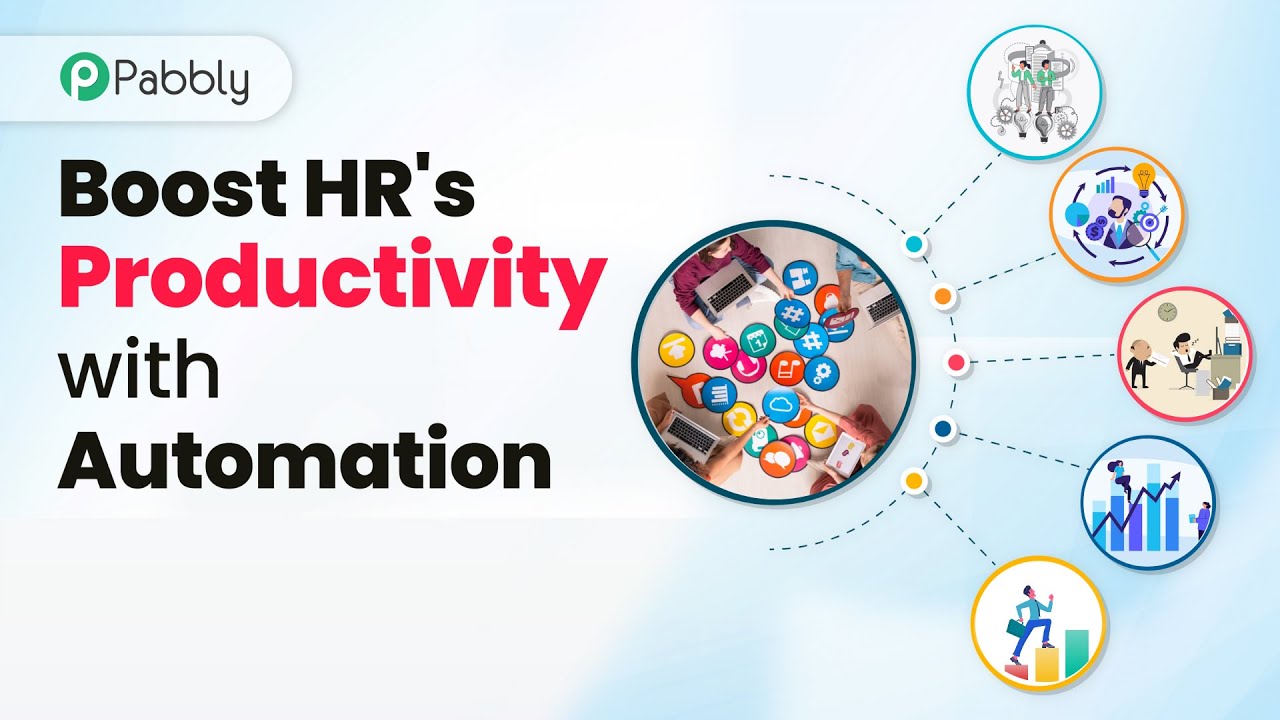
Boost HR Team Productivity with Automation Using Pabbly Connect

Learn how HR teams can enhance productivity through automation with Pabbly Connect, Google Drive, Gmail, and more. Step-by-step tutorial included. This comprehensive guide reveals exactly how to connect your applications and automate repetitive tasks — accessible for professionals of all technical backgrounds.

Watch Step By Step Video Tutorial Below


1. Accessing Pabbly Connect for Automation

To boost productivity, HR teams can utilize Pabbly Connect for automation. Start by visiting the Pabbly Connect website. Once there, you can either sign in or sign up for a free account, which allows you to perform 100 tasks each month.

After signing in, you will arrive at the Pabbly Connect dashboard. Here, you can create workflows that automate various HR tasks. Click on the ‘Access Now’ button to enter the workflow section where all your automations will be managed.


2. Automating Offer Letters with Pabbly Connect

Using Pabbly Connect, you can automate the generation of offer letters. The process begins with setting up a trigger using Google Sheets, where you will input candidate details. The trigger event should be set as ‘New or Updated Spreadsheet Row’ to capture candidate information.

  • Connect Google Sheets to Pabbly Connect.
  • Set up a filter to check the status column for ‘Generate’.
  • Use Google Docs to create an offer letter template.
  • Make the document sharable using Google Drive.

After setting these configurations, every time a new candidate is added with the status ‘Generate’, Pabbly Connect will automatically create and share the offer letter, enhancing efficiency in the HR process.


3. Compiling Employee Data Automatically

Another way to utilize Pabbly Connect is for automating employee data compilation. This begins with a Google Form that collects employee information. The trigger for this automation will be set to ‘New Response Received’ in Google Forms.

Once a new form submission occurs, the following steps are executed:

  • Generate a document in Google Docs using a pre-made template.
  • Make the document sharable with Google Drive.
  • Create a new folder in Google Drive named after the employee.
  • Upload the compiled document to the newly created folder.

This automation significantly reduces the time spent on data management in HR, allowing teams to focus on more strategic tasks.


4. Automating Employee Feedback Surveys

Using Pabbly Connect, HR teams can also automate the collection and sharing of employee feedback. Start by setting up a Google Form for employees to submit their feedback. The trigger event for this automation will be ‘New Response Received’.

When a new response is submitted, the automation captures the feedback and shares it with the team via Google Chat. The steps include:

Set Google Forms as the trigger application. Use the details from the form submission to create a message. Send the message through Google Chat to the HR team.

This process ensures that feedback is promptly addressed, fostering a culture of continuous improvement within the organization.


5. Automating Birthday Wishes for Employees

Lastly, Pabbly Connect can automate sending birthday wishes to employees. This is done by checking a Google Sheet that contains employee birth dates. Set the trigger to run daily using the ‘Scheduled by Pabbly’ feature.

Here’s how to set it up:

Use the Date and Time format to get the current date. Look up spreadsheet rows in Google Sheets to find matches with the current date. Send emails using Gmail to the employees whose birthdays match.

This automation not only saves time but also enhances employee engagement by ensuring that no birthday goes unnoticed.


Conclusion

In conclusion, using Pabbly Connect to automate HR tasks significantly boosts productivity. By integrating Google Sheets, Google Docs, Gmail, and Google Forms, HR teams can streamline processes and reduce manual work. This allows for a more efficient and responsive HR function, enhancing overall team productivity.

Ensure you check out Pabbly Connect to create business automation workflows and reduce manual tasks. Pabbly Connect currently offer integration with 2,000+ applications.