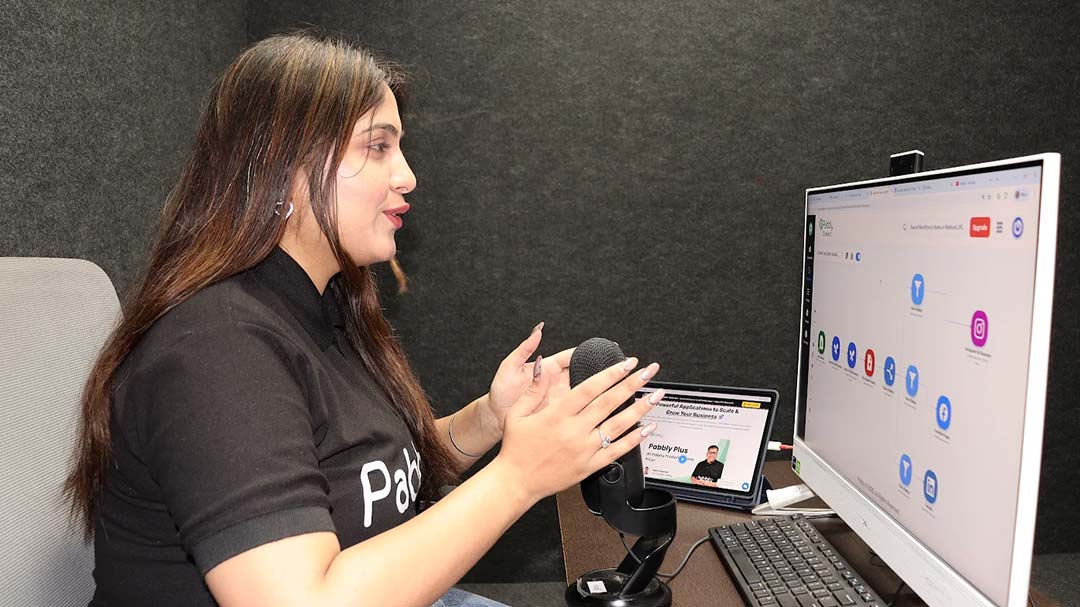

Learn how to automate sales, support, and follow-ups using Pabbly Chatflow. Step-by-step tutorial for creating an AI assistant for your business. Master conversational marketing with practical techniques for creating chatbots that engage visitors at exactly the right moment in their journey.

Watch Step By Step Video Tutorial Below


1. Accessing Pabbly Chatflow for Your AI Assistant

To create an AI assistant for automating sales, support, and follow-ups, you must first access Pabbly Chatflow. Start by opening a new tab and typing in the URL: pabyt.com/chatflow. This will take you to the Pabbly Chatflow homepage.

Once on the homepage, you will see options to either sign in or sign up for free. New users can click on ‘Sign Up Free’ to create an account, while existing users should click ‘Sign In’. Signing up gives you access to 100 free credits every month to practice using Pabbly Chatflow.


2. Creating Your AI Assistant in Pabbly Chatflow

After signing in, navigate to the Pabbly Chatflow dashboard. Here, you can add your WhatsApp number by clicking on the ‘Add WhatsApp Number’ button. Choose between WhatsApp connect or manual token connect to integrate your WhatsApp number with Pabbly Chatflow.

  • Click on ‘AI Assistant’ in the sidebar.
  • Select ‘Add AI Assistant’ to create a new assistant.
  • Enter a name for your assistant, such as ‘AI Assistant for Businesses’.

Once you have named your assistant, click the ‘Add AI Assistant’ button. You will then be taken to the AI instructions tab, where you can choose your instruction type. Select ‘AI agent’ from the dropdown menu to begin configuring your assistant in Pabbly Chatflow.


3. Configuring AI Settings in Pabbly Chatflow

In the AI configuration section, you will set the temperature for your assistant. This temperature controls how creative or focused the responses will be. A temperature of 0.5 is recommended for a balanced approach. Next, select the AI model from the dropdown; choose ‘GPT-4 Mini’ for optimal performance.

Enter your OpenAI API key in the designated field. If you don’t have one, you can generate it from the OpenAI API key page. After entering the key, click on the ‘Connect’ button to save your settings. You should see a confirmation message indicating that the OpenAI key has been saved successfully in Pabbly Chatflow.

  • Enable or disable header and footer messages.
  • Set the number of retry attempts for failed responses.
  • Configure fallback messages for unresponsive scenarios.

After configuring these settings, you can proceed to upload your knowledge base, which will contain the information your AI assistant uses to respond to customer queries.


4. Uploading Your Knowledge Base in Pabbly Chatflow

To ensure your assistant can answer customer inquiries accurately, you need to upload a knowledge base file. This file can be in either .txt or .pdf format. Navigate to the knowledge source section in Pabbly Chatflow and click on the ‘Choose a file’ button.

Locate your knowledge base file on your computer and upload it. Once successfully uploaded, you will see a confirmation popup indicating the file has been added. This knowledge base will allow your AI assistant to provide accurate information regarding your business, such as products, shipping charges, and refund policies.


5. Enabling Your AI Assistant for Customer Interactions

After setting up your AI assistant and uploading the knowledge base, you can enable it for customer interactions. Go to the settings section and find the option for inbox settings. Here, enable the AI auto replies feature for all contacts or select specific contacts.

To enable the assistant for individual chats, navigate to your inbox, select a chat, and choose the AI assistant you want to enable. Click the ‘Save’ button to apply these changes. Your AI assistant is now live and ready to assist customers through WhatsApp, ensuring no manual effort is required in responding to inquiries.


With these steps completed, you have successfully created and enabled an AI assistant using Pabbly Chatflow that can automate sales, support, and follow-ups, enhancing your business efficiency.


Conclusion

In this tutorial, we explored how to create an AI assistant using Pabbly Chatflow. By following the steps outlined, you can automate sales, support, and follow-ups effectively. Start using Pabbly Chatflow today to enhance your customer interactions and streamline your business operations.

Ensure you check out Pabbly Connect to create business automation workflows and reduce manual tasks. Pabbly Connect currently offer integration with 2,000+ applications.