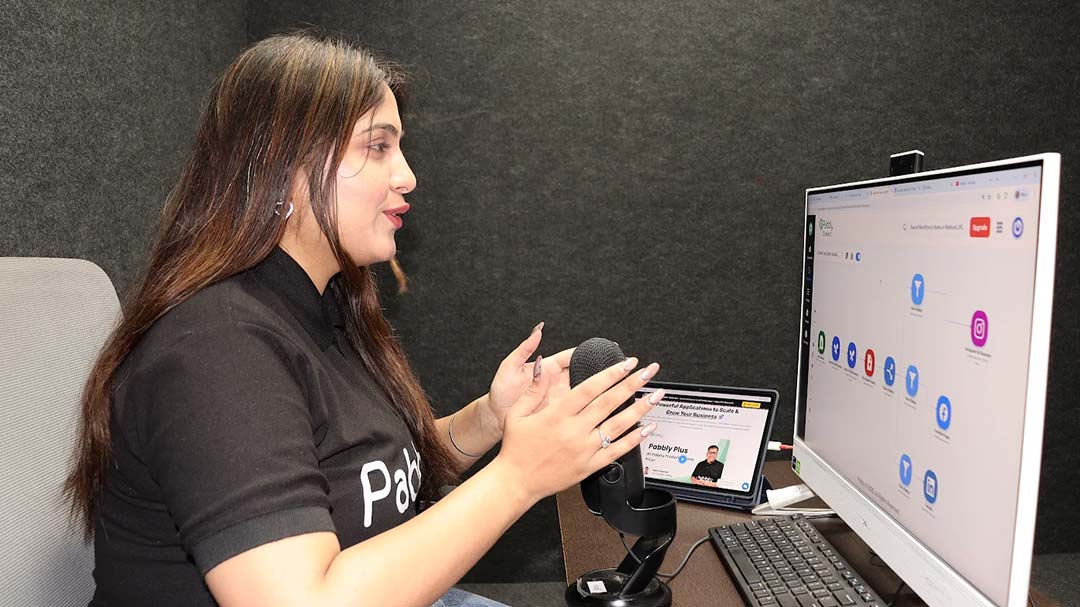

Learn how to build a no-code WhatsApp bot step by step using Pabbly Connect and Pabbly Connect. Automate your business communication effectively. Master proven automation processes with practical implementation examples and strategic recommendations you can apply immediately in your workflow.

Watch Step By Step Video Tutorial Below


1. Introduction to Pabbly Connect and Chatflow

Pabbly Connect is a powerful automation tool that simplifies the process of creating a no-code WhatsApp bot. In this section, we will explore how to access Pabbly Connect and set up your account to begin building your WhatsApp bot. Start by visiting the Pabbly Connect website and signing up for a free account to get started.

Once you have created your account, navigate to the Pabbly Chatflow section. This is where you will manage your WhatsApp automation. Pabbly Chatflow allows you to create automated responses, manage user interactions, and streamline your business communication. With its user-friendly interface, you can easily set up your WhatsApp bot without any coding experience.


2. Creating Your WhatsApp Bot Using Pabbly Connect

To create your WhatsApp bot, log in to your Pabbly Connect account and access the Pabbly Chatflow dashboard. From here, you can add your WhatsApp number by clicking the ‘Add WhatsApp Number’ button. This integration is essential for ensuring that your bot can send and receive messages through WhatsApp. using Pabbly Connect

  • Click on the ‘Add WhatsApp Number’ button.
  • Follow the prompts to verify your WhatsApp account.
  • Once verified, your WhatsApp number will be linked to Pabbly Chatflow.

After adding your WhatsApp number, you can start creating your bot flow. Use the ‘Create Flow’ button to begin designing your bot’s responses and actions. This is where you will define how your bot interacts with users based on their messages, ensuring a seamless communication experience.


3. Configuring Your Bot Flow with Pabbly Connect

Now that your WhatsApp number is integrated, it’s time to configure the bot flow using Pabbly Connect. Begin by naming your flow, such as ‘WhatsApp Business Automation’. This name will help you identify your flow later. Next, select the trigger for your bot, which is typically a keyword that users will send to initiate the conversation.

For instance, you can set the trigger keywords as ‘hi’ and ‘hello’. These keywords will activate the bot whenever they are sent by a user. After setting the keywords, create a welcome message that the bot will send in response. This message could be something like, ‘Hello, welcome to Cloud Nova SAS Solutions! How may I assist you today?’

  • Create a welcome message for the user.
  • Add quick reply buttons for options like ‘View Services’ and ‘Contact Support’.
  • Link the trigger to the welcome message.

By following these steps, you ensure that your bot is ready to engage users effectively right from their first interaction. The automation provided by Pabbly Connect allows for a smooth user experience, enhancing customer satisfaction.


4. Dynamic Responses and User Input with Pabbly Connect

Once your bot flow is set up, the next step is to configure dynamic responses based on user input. This is where Pabbly Connect shines by allowing you to collect and utilize user data effectively. For example, when a user selects a service type, you can ask them for their full name and project details.

Add input fields to capture this information. For instance, prompt the user with, ‘May I know your full name, please?’ and store this input in a custom field. This customization makes your bot responses more personal and relevant. You can also set up additional questions to gather project information and service needs.

Ask users for their project name and service requirements. Store responses in custom fields for dynamic replies. Ensure the bot confirms receipt of their inquiry with personalized messages.

This approach not only automates responses but also builds a connection with users, making them feel valued. The integration of Pabbly Connect allows for these personalized interactions seamlessly.


5. Finalizing Your WhatsApp Bot with Pabbly Connect

After configuring all the necessary flows and responses, it’s crucial to finalize your WhatsApp bot setup. Review all the elements of your flow in Pabbly Connect to ensure everything is functioning as intended. Make sure to save your flow to avoid losing any progress.

Once saved, test your bot by sending the trigger keywords from your WhatsApp account. The bot should respond according to the configurations you’ve set, providing a seamless user experience. If any adjustments are needed, revisit the flow in Pabbly Chatflow and make the necessary changes.

With your WhatsApp bot fully operational, you can now automate customer interactions effectively. This setup not only saves time but also enhances customer engagement and satisfaction.


Conclusion

Building a no-code WhatsApp bot using Pabbly Connect and Pabbly Chatflow is a straightforward process that can significantly improve your business communication. By following the steps outlined in this tutorial, you can create a dynamic, responsive bot that engages customers and automates interactions effectively.

Ensure you check out Pabbly Connect to create business automation workflows and reduce manual tasks. Pabbly Connect currently offer integration with 2,000+ applications.