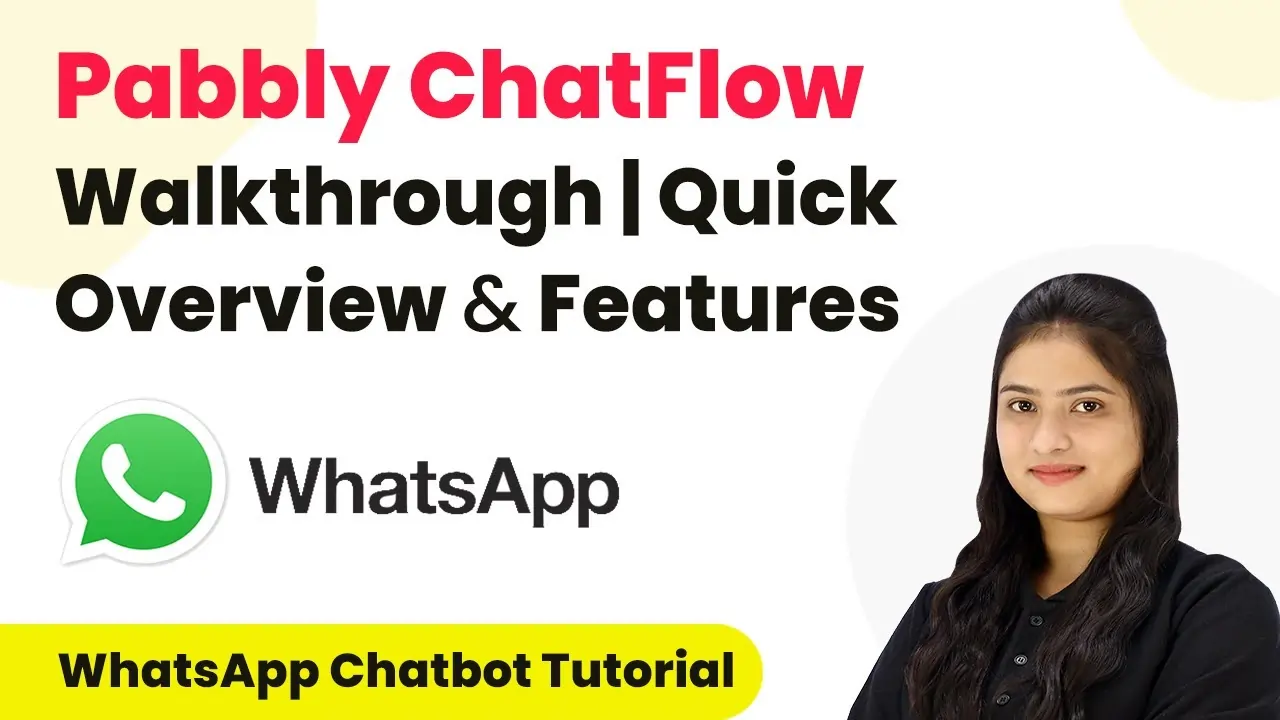

Learn how to send Razorpay payment alerts to WhatsApp using Pabbly Connect and Pabbly Connect in this detailed tutorial. Implement the precise methodologies leading organizations use to automate repetitive tasks, illustrated with practical examples designed for immediate application.

Watch Step By Step Video Tutorial Below


1. Accessing Pabbly Connect for Integration

To start sending Razorpay payment alerts to WhatsApp, first, you need to access Pabbly Connect. Open your browser and type in Pabbly.com. Once on the website, sign into your account by clicking on the ‘Sign In’ button located at the top right corner.

If you’re a new user, you can sign up for free, which gives you 100 tasks monthly. After signing in, navigate to the Pabbly apps page and select Pabbly Connect, where you’ll find your dashboard to create workflows.


2. Creating a Workflow in Pabbly Connect

In your Pabbly Connect dashboard, click on the ‘Create Workflow’ button. Choose the new beta workflow builder for a modern experience. Name your workflow ‘Send Razorpay Payment Alerts to WhatsApp Automatically Using Pabbly Chatflow’ and select your desired folder, such as ‘Pabbly Chatflow’.


  • Click on the ‘Create’ button to finalize your workflow setup.
  • You will see a box asking for your trigger application.

Here, set Razorpay as your trigger application, as it will initiate the workflow whenever a payment is received. This setup is crucial for automating the alert process using Pabbly Connect.


3. Connecting Razorpay with Pabbly Connect

Next, in the trigger application, select Razorpay and choose the ‘Payment Captured’ event. Click on ‘Connect’ to establish a connection between Pabbly Connect and Razorpay. A webhook URL will be generated, which acts as a bridge for the integration.

To complete the connection, go to your Razorpay dashboard, navigate to the ‘Developers’ section, and click on ‘Webhooks’. Add a new webhook by pasting the webhook URL you copied from Pabbly Connect and select ‘Payment Captured’ as the active event. This ensures that every time a payment is made, the webhook triggers the workflow.


4. Testing the Webhook Response in Pabbly Connect

After setting up the webhook, you need to test it to ensure that Pabbly Connect captures the payment details correctly. While in Razorpay, make a test payment using dummy details. Ensure you are in test mode to avoid actual charges.

Once the payment is successful, return to Pabbly Connect to check if the webhook response has been captured. You should see details such as the phone number, name, and email address from the payment. This confirms that your integration is functioning correctly.


5. Sending WhatsApp Messages Using Pabbly Chatflow

Now that the webhook is working, it’s time to send a WhatsApp message using Pabbly Chatflow. In the action application, search for Pabbly Chatflow and select the action event as ‘Send Template Message’. Click on ‘Connect’ and enter your API token to establish the connection.

For the message, you will need to map the recipient’s phone number and payment details from the previous Razorpay response. Create a template in Pabbly Chatflow that includes variables for the recipient’s name and payment amount. This allows for personalized messages to be sent automatically whenever a payment is captured.


Conclusion

In this tutorial, we demonstrated how to send Razorpay payment alerts to WhatsApp automatically using Pabbly Connect and Pabbly Chatflow. By following the steps outlined, you can create a seamless integration that enhances customer communication and automates your payment notifications.

Ensure you check out Pabbly Connect to create business automation workflows and reduce manual tasks. Pabbly Connect currently offer integration with 2,000+ applications.