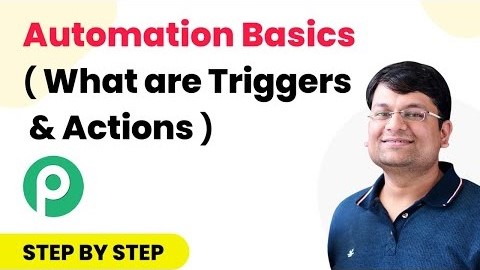

Learn how to build a WhatsApp chatbot for any business using Pabbly Chatflow. Follow this beginner-friendly guide to automate your responses effectively. Explore how leading businesses automate customer interactions with carefully designed chat sequences that feel natural and helpful.

Watch Step By Step Video Tutorial Below


1. Accessing Pabbly Chatflow for WhatsApp Automation

To start building your WhatsApp chatbot, the first step is to access Pabbly Chatflow. Open a new tab and navigate to Pabbly.com/chatflow. This tool is essential for automating WhatsApp messages for your business.

Once on the Pabbly Chatflow page, you will see options to sign in or sign up. If you’re new, click on ‘Sign Up Free’ to create an account and receive 100 free credits monthly. Existing users can simply sign in. After logging in, click on the ‘Access Now’ button to enter the Pabbly Chatflow dashboard.


2. Creating Your WhatsApp Chatbot Flow

In the Pabbly Chatflow dashboard, you can create a chatbot flow by clicking on the ‘Flows’ option. This section allows you to design your chatbot using a user-friendly drag-and-drop interface. Start by clicking the ‘+ Add Flow’ button to create a new flow for your business.


  • Name your flow (e.g., ‘Build a WhatsApp Chatbot for Any Business’).
  • Select a trigger event (e.g., keyword match).
  • Configure action buttons for user responses.

After naming your flow, select the appropriate trigger event. For this tutorial, you will choose a keyword match to respond to specific messages sent by users. This setup will enable your WhatsApp chatbot to automatically reply with a welcome message when users send keywords like ‘hello’ or ‘hi’.


3. Configuring Responses in Pabbly Chatflow

In this step, you’ll set up the responses that your Pabbly Chatflow chatbot will provide to users. Start by dragging a text button into the flow and entering your welcome message, such as ‘Hello, welcome to Fresh View Coffee House! How can I help you today?’ Add three action buttons: ‘View Menu’, ‘Place Order’, and ‘Contact Support’.

Next, connect the trigger point to your welcome message by dragging a line from the trigger circle to the text button. This connection ensures that when users send the specified keywords, they receive your welcome message immediately. For example, if a user clicks ‘View Menu’, the bot should send a menu image with a button to place an order.


4. Gathering User Information for Orders

To collect user information such as name, item name, quantity, address, and contact number, you will need to create additional action buttons in your Pabbly Chatflow flow. When users click ‘Place Order’, the bot should ask for their full name first. Use the ‘Ask a Question’ action and set the custom field to capture their response.

  • Ask for the user’s full name.
  • Request the item name they wish to order.
  • Inquire about the quantity and delivery address.
  • Ask for their contact number.

Each of these questions should be connected in sequence, ensuring a smooth flow of information. After gathering all necessary details, the bot will send a confirmation message summarizing the order, which includes dynamically inserted user responses like their name and order details.


5. Testing Your WhatsApp Chatbot

Once your flow is complete, it’s time to test your Pabbly Chatflow WhatsApp chatbot. Save your flow to ensure all configurations are stored. Then, send a test message to your WhatsApp business account using one of the keywords you set up, such as ‘hi’.

If everything is configured correctly, your chatbot should respond instantly with the welcome message and buttons. This confirms that the integration is working perfectly, allowing you to automate responses without manual effort.


Conclusion

In this tutorial, we explored how to build a WhatsApp chatbot for any business using Pabbly Chatflow. By following the steps outlined, you can automate your customer interactions effectively. Start enhancing your business communication today with Pabbly Chatflow!

Ensure you check out Pabbly Connect to create business automation workflows and reduce manual tasks. Pabbly Connect currently offer integration with 2,000+ applications.